Last updated October 31, 2026
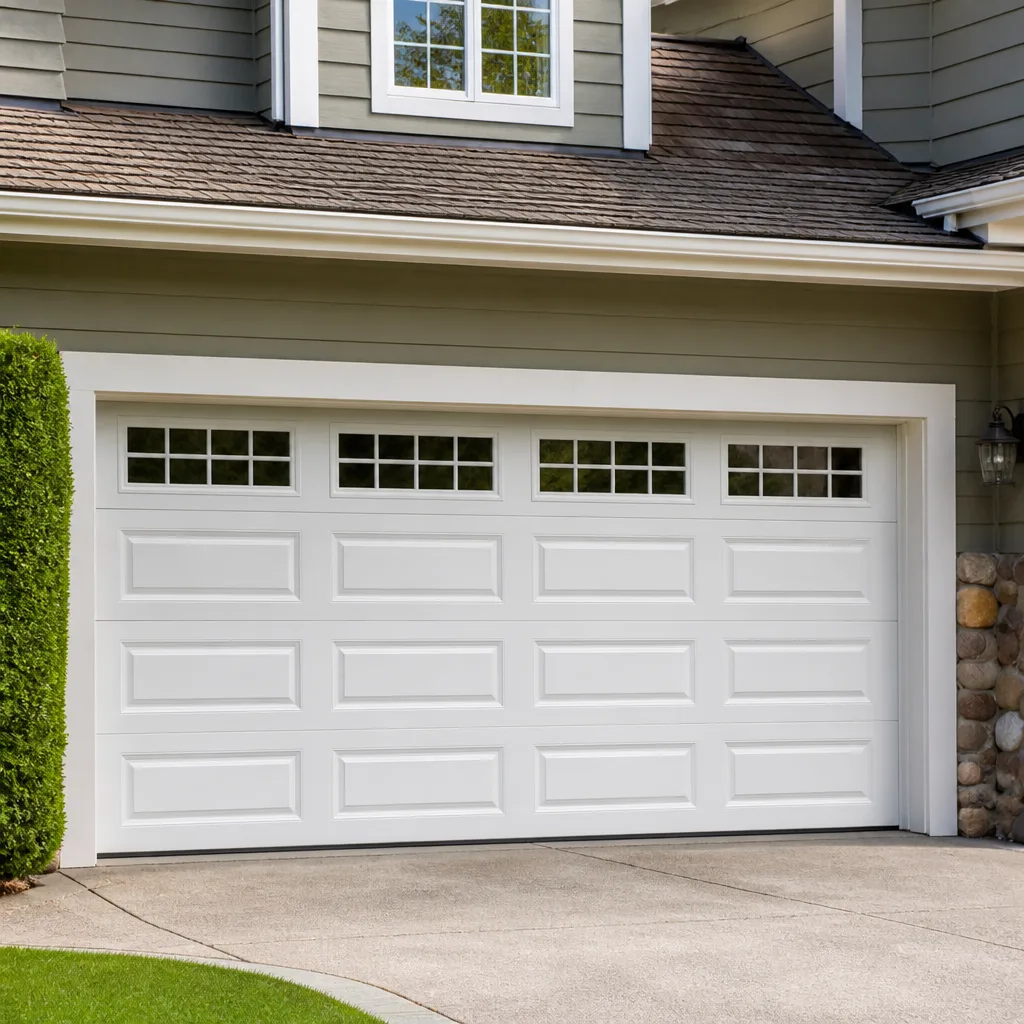 Raised-panel steel
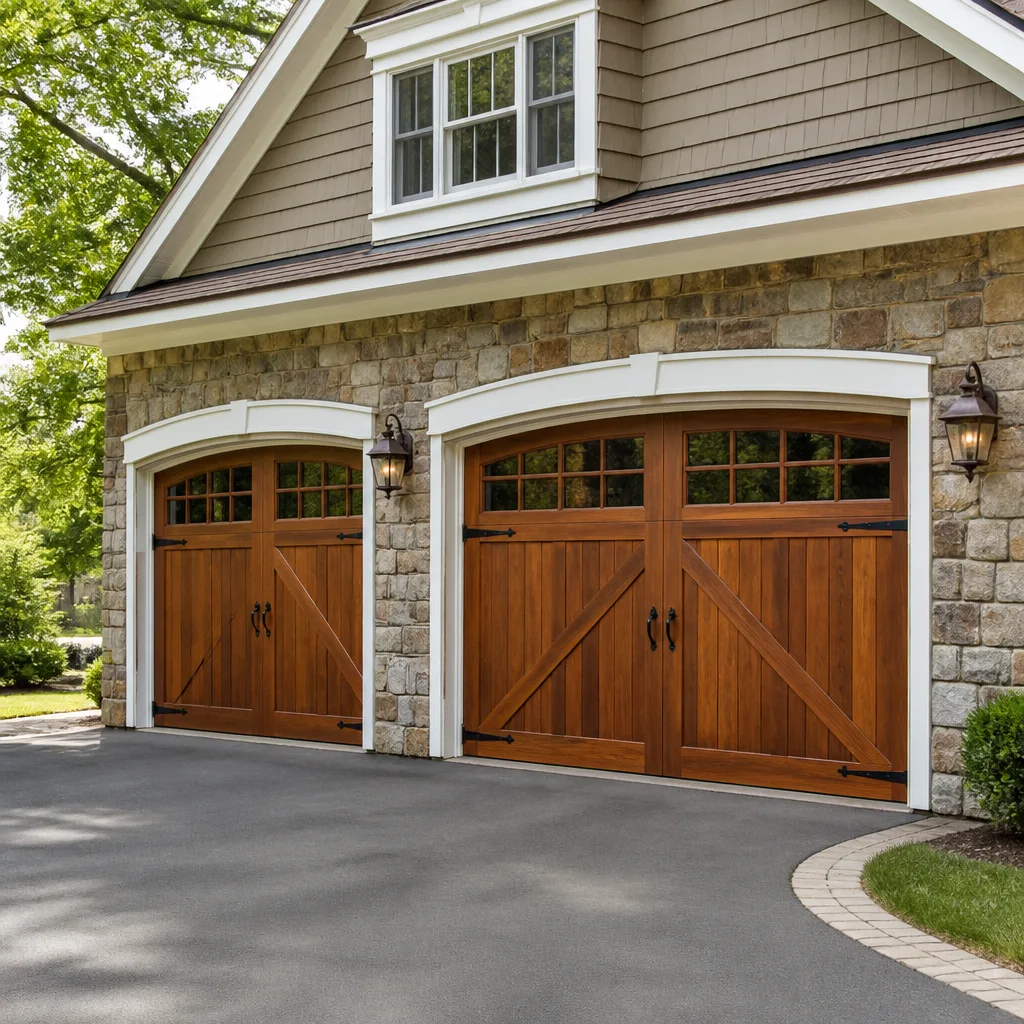 Carriage house
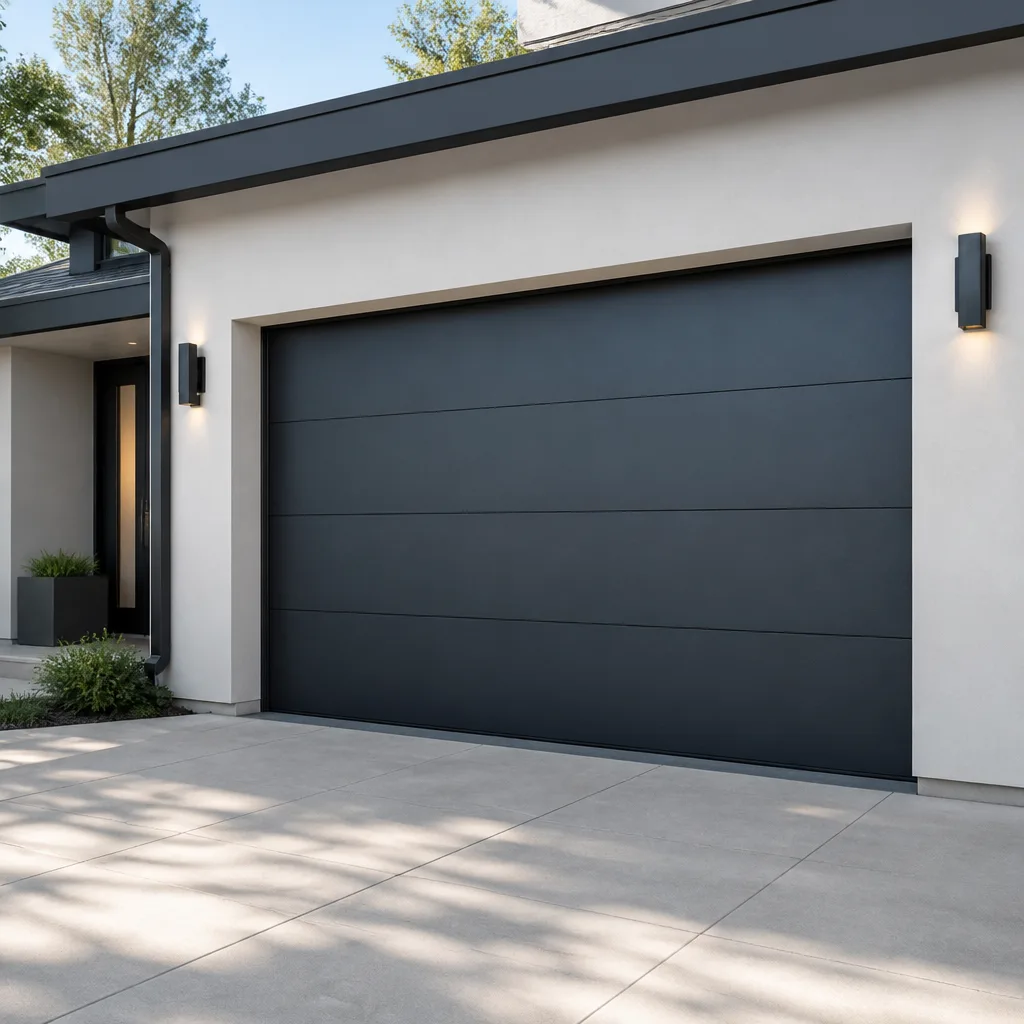 Modern flush
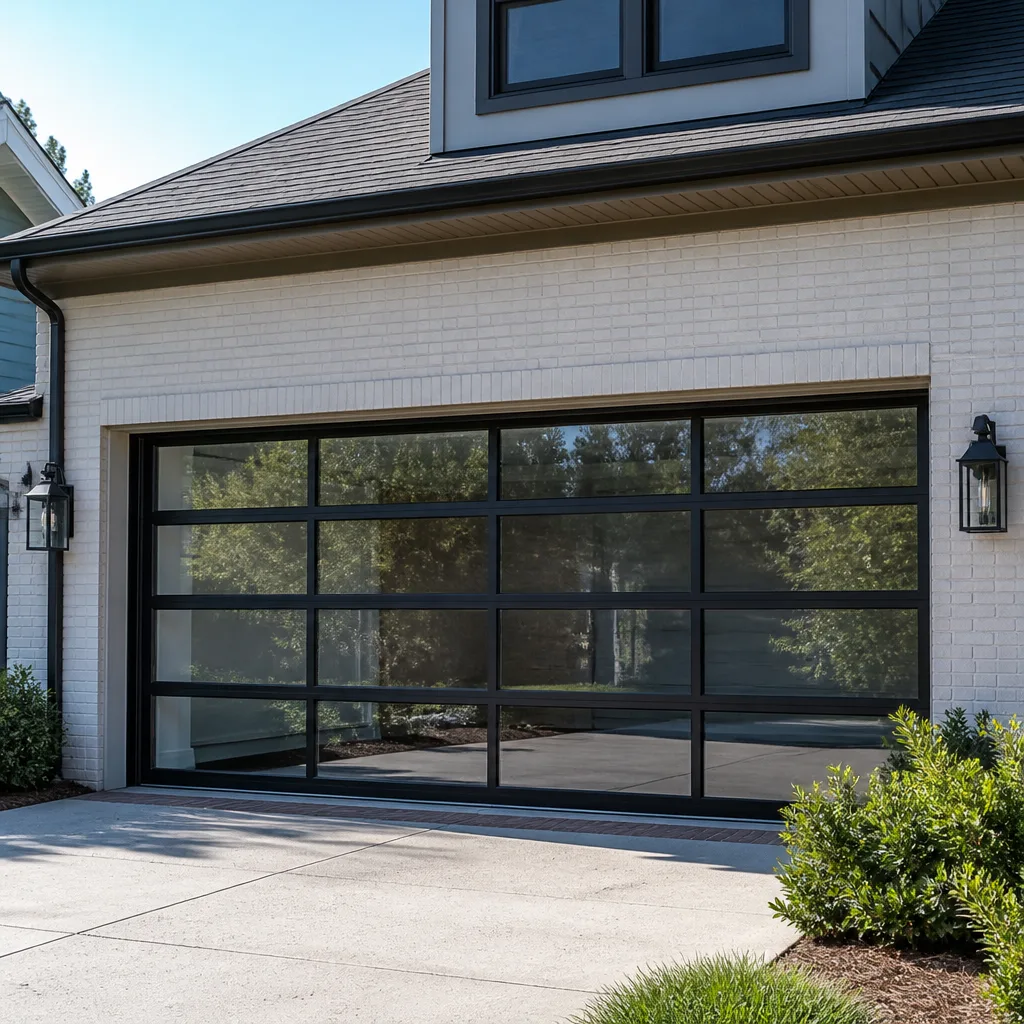 Full-view glass
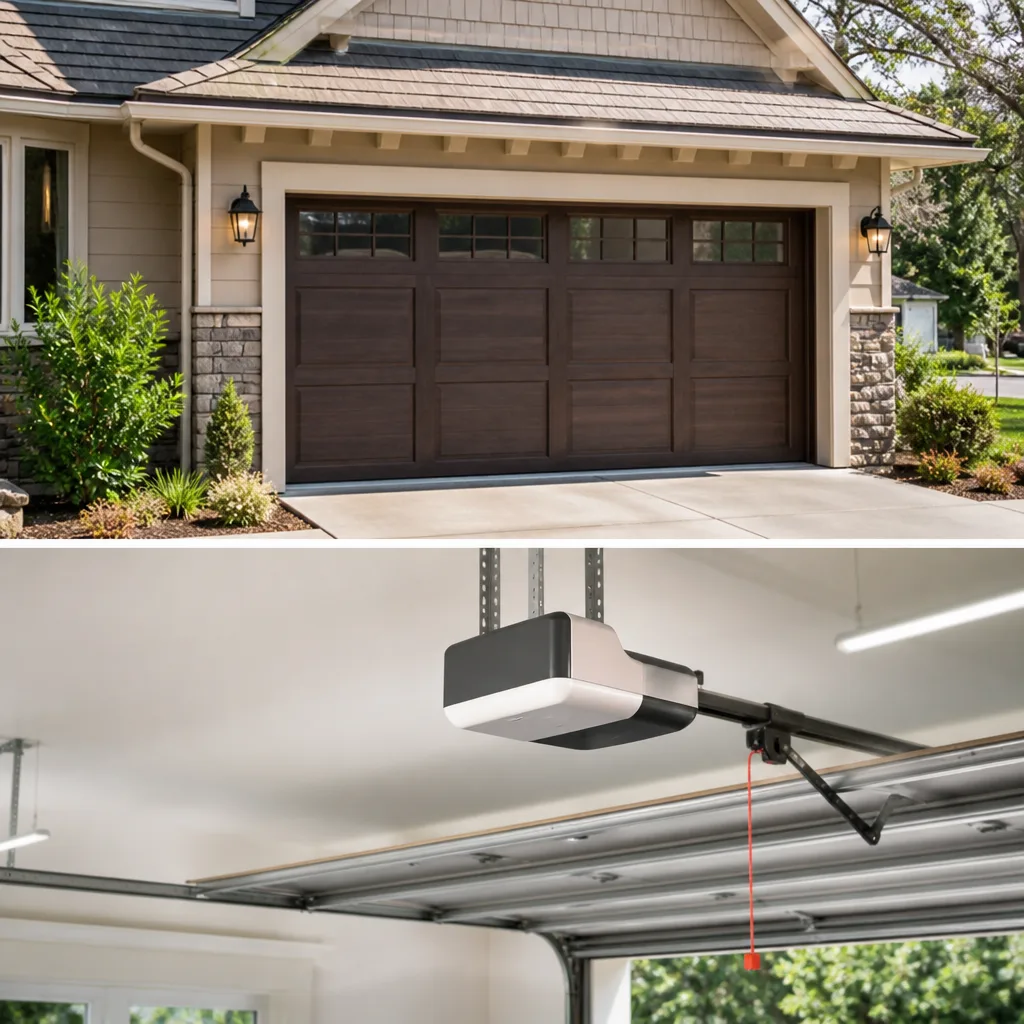 LiftMaster openers
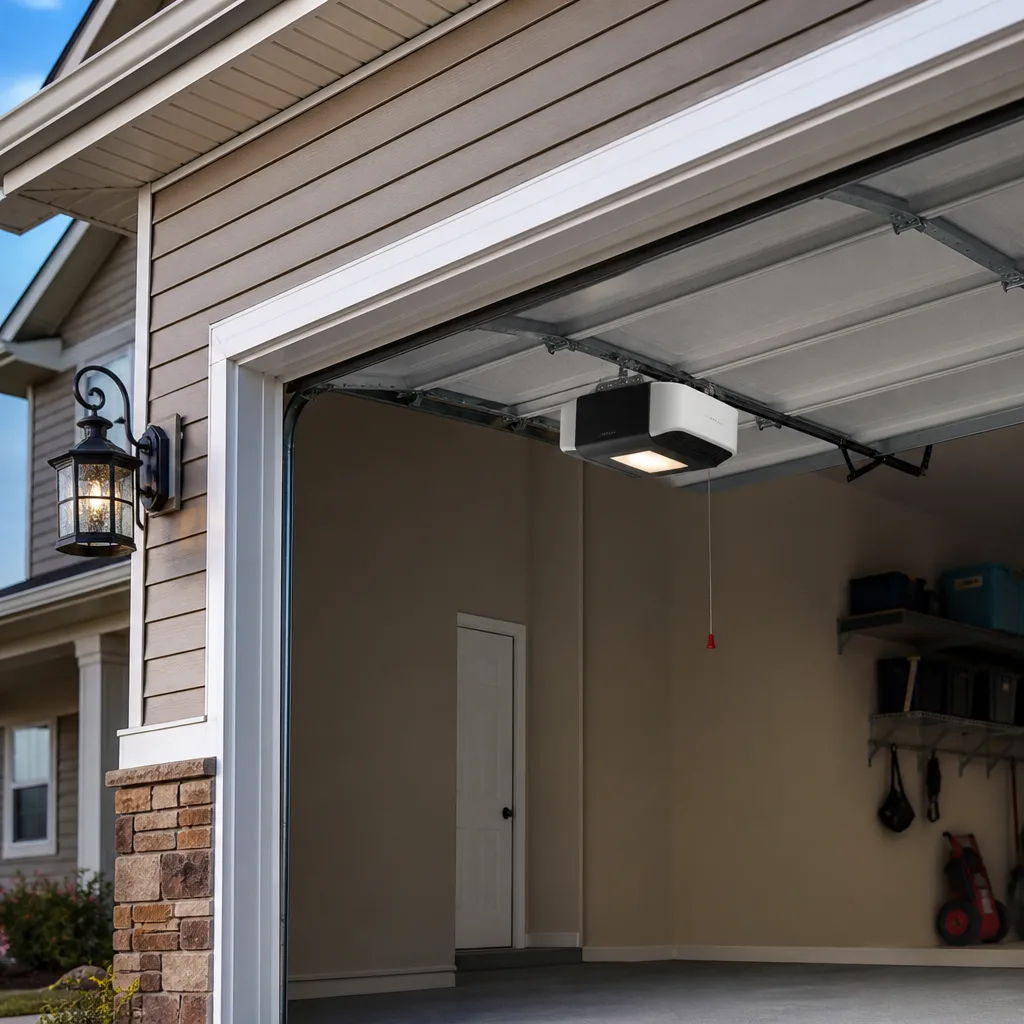 Chamberlain openers
Full 25-point door and opener safety check with every visit - springs, cables, rollers, tracks, and your LiftMaster or Chamberlain opener included
You get a price before we start. It does not change when the truck arrives.
Get your free estimateChoosing the Right Garage Door Brand: A Buyer’s Guide for West Hollywood
Here’s something most brand-comparison articles won’t tell you: the garage door brand with the highest national consumer satisfaction scores has one of the thinnest parts distribution networks in the greater LA area. A broken cable bracket becomes a two-week wait instead of a same-day fix. In West Hollywood, where an open or stuck garage door can mean a blocked carport, a security gap on a street-facing alley, or an HOA notice taped to your front gate, that distinction matters more than any five-star review. This guide walks you through how to evaluate garage door brands the way a local technician would: by parts availability, architectural fit, corrosion resistance, and warranty structure. For a deeper dive, see The Complete Guide to Garage Door in West Hollywood. We’ll skip the marketing gloss and focus on what actually determines whether you’ll be happy with your door five years after installation.
Styles & brands we work with
Quick Answer
The best garage door brand for your West Hollywood home depends less on national rankings and more on three local factors: whether LA-area distributors stock the brand’s replacement parts, whether the panel profile fits your home’s architectural era, and whether the door’s steel treatment and weatherstripping can handle our coastal-adjacent climate. For most homes, Clopay and Amarr offer the best combination of local parts availability, finish options, and serviceability. Wayne Dalton and Raynor also perform well but have narrower parts distribution west of the 405. The single most important decision is not the brand logo on the door; it’s choosing a product line that a local technician can repair with parts from a local warehouse, not a drop-ship order.
Table of Contents
- Why Parts Availability Beats Brand Reputation in West Hollywood
- Top 6 Garage Door Brands: A Parts Availability Audit for the LA Market
- West Hollywood Residential Design Guidelines: What You Can Actually Install
- Coastal-Adjacent Construction Specs: Steel Treatment, Weatherstripping, and Corrosion Resistance
- Opener Compatibility: Avoiding the Proprietary Hardware Trap
- A Framework for Comparing Warranty Terms: Panels, Springs, and Finish Separately
- Common Mistakes to Avoid
- When to Call a Professional
- Frequently Asked Questions
- The Bottom Line
Why Parts Availability Beats Brand Reputation in West Hollywood
Every garage door brand publishes warranty terms. Very few publish parts distribution maps. Those maps are the real story. In the greater Los Angeles market, a brand’s practical serviceability depends on whether local distributors in Vernon, Commerce, Santa Fe Springs, and the North San Fernando Valley stock their components on shelves, or whether every order triggers a drop-ship from a regional warehouse in Texas or Ohio. When a torsion spring fails, a cable frays, or a bottom bracket corrodes through, the difference between those two scenarios is a same-day repair versus a two-to-three-week wait. In our experience working on doors across West Hollywood, the brands with the most consistently stocked parts are Clopay, Amarr, and LiftMaster for openers. Wayne Dalton’s TorqueMaster spring system, by contrast, requires specialty parts that fewer local distributors carry. Raynor and CHI make durable doors, but their replacement panels are more likely to need a factory order, especially for older product lines or discontinued finishes.
The takeaway is simple: before you sign a purchase order, ask the installer which local distributor stocks parts for the specific product line you’re buying. Not the brand generally, the product line specifically. A Clopay Reserve Wood Collection door and a Clopay Value Series door are not the same parts ecosystem. A good installer will answer without hesitating. If they can’t answer, or if they tell you parts are “always available,” get a second opinion. This is the single most overlooked factor in brand selection, and it’s the one that determines whether a broken hinge bracket in West Hollywood is a minor inconvenience or a three-week headache.
This kind of brand-agnostic, parts-first thinking is exactly how we approach garage door repair. We don’t stock or push any single brand; we repair and service systems from eight major manufacturers. Whatever brand is on your door, we know it.
Top 6 Garage Door Brands: A Parts Availability Audit for the LA Market
Here’s a direct, honest breakdown of six brands you’ll encounter in West Hollywood, evaluated by local serviceability first and national reputation second. We’re not ranking these as good-to-bad; the right choice depends on your home, your opening size, and how long you plan to own the property.
- Clopay: The strongest local parts network among the major residential brands, partly because Clopay products are sold through The Home Depot and a wide network of regional dealers. Panels, hinges, brackets, and standard torsion hardware are stocked at multiple LA-area distributor locations. For a West Hollywood homeowner, a Clopay door is the easiest to service quickly when something breaks. Their Coachman and Gallery collections are especially common in the Spanish Revival and California Bungalow homes you see throughout the area.
- Amarr: Also sold through The Home Depot and major regional dealers, with solid parts availability in the LA basin. Amarr’s steel doors hold up well in our climate, and their Classica and Heritage collections offer panel profiles that complement the Mediterranean and mid-century homes common in West Hollywood’s residential neighborhoods. Parts availability for current product lines is excellent; older or discontinued Amarr lines can require longer lead times.
- Wayne Dalton: Makes a quality door, but with a significant caveat: their TorqueMaster spring system uses components that are proprietary and not universally stocked. If you buy a Wayne Dalton door with TorqueMaster springs, plan on waiting longer for spring replacement parts, or plan on converting to a standard torsion system when the springs fail. Their standard torsion systems are more serviceable. Worth considering, but ask the installer specifically about the spring type before committing.
- CHI: CHI makes durable, well-insulated doors, particularly in their raised panel lines. Parts availability in Los Angeles is thinner than Clopay or Amarr, especially for non-standard panel colors and finishes. A broken panel on a CHI door often means a factory color-match order. If you choose CHI, stick to stock colors and standard sizes to keep future repairs simple.
- Raynor: Solid reputation, popular in commercial applications, but residential parts stocking in LA is patchy. Their residential lines are less common in West Hollywood than Clopay, Amarr, or Wayne Dalton, which means local technicians simply see fewer of them. If a Raynor-specific part fails, expect a longer parts wait. The doors themselves perform fine; the service ecosystem locally is the weak point.
- Martin: Martin makes premium, often custom garage doors. Their products are well-built, but their LA dealer network is the sparsest of the six brands here. For most West Hollywood homeowners, Martin only makes sense if you’re doing a custom architectural door where the specific design justifies the longer parts lead times. Standard replacement panels and hardware are not consistently stocked locally.
The pattern is clear: brands with the largest retail and dealer footprints in Southern California also have the best parts availability. That’s not a coincidence. Distributors stock what sells. Before you choose, ask one direct question: “If a panel gets dented or a spring breaks in three years, where are the parts coming from and how long will I wait?” A specific answer builds confidence. A vague one should raise a flag.
At Golden Bear Garage Door, we repair all of these systems and more. Our certified service covers eight major garage door and opener brands: LiftMaster, Chamberlain, Genie, Clopay, Amarr, Wayne Dalton, Craftsman, and Raynor. That means we see which brands hold up in the field, and which ones leave homeowners waiting on parts. The honest answer is that parts availability varies more than most installers will tell you.
West Hollywood Residential Design Guidelines: What You Can Actually Install
West Hollywood has one of the more actively enforced sets of design standards in Los Angeles County. If your property is in a historic district or a design review overlay, the panel profile, material finish, and even the color of your garage door may need approval before installation. The City’s Residential Design Guidelines emphasize compatibility with the existing architectural character of the structure and the surrounding streetscape. In practical terms, that means a sleek, full-view aluminum door that looks perfect on a modern glass house near the Beverly Center may not be approvable on a 1920s Spanish Colonial Revival cottage a few blocks east. The door has to match the house, not just the homeowner’s taste.
The guidelines don’t ban specific brands. They regulate appearance: panel profile, window placement, finish type, and color palette. Here’s what to check before you buy:
- Panel profile compatibility: Recessed panels, raised panels, flush panels, and carriage-house overlays each read differently from the street. A flush panel door suits a mid-century modern home. A recessed panel with a wood-look finish suits a Spanish Revival or Mediterranean home. Mixing the two draws a design-review objection.
- Finish and color: West Hollywood guidelines tend to favor finishes that blend with the structure rather than contrast with it. High-gloss black or bright white doors on a stucco and terracotta home often draw pushback. Wood-tone finishes and muted colors are typically the safest choice for pre-1950 architectural styles.
- Window placement: Garage door windows are treated like any other fenestration. The shape, proportion, and grid pattern should harmonize with the home’s existing windows. Arched windows on an otherwise rectilinear mid-century home look out of place and may trigger a design review.
- Material authenticity: In some historic overlay zones, the city prefers or requires materials that match the original construction. A solid wood door may be mandated on a contributing historic structure, or a specific wood-look steel door may be approved as a compatible alternative. Verify before ordering; a custom wood door is not returnable.
For most single-family homes in West Hollywood outside of design review districts, the City requires a building permit for garage door replacement when the structural opening changes. Replacing a door in the same opening with the same dimensions generally does not require a permit. But if you’re widening the opening, changing the header, or converting a carport to a closed garage, you’ll need plans, permits, and inspections. Always confirm with the City’s Building and Safety division before work begins. A reputable installer will verify permit requirements as part of the quoting process.
Coastal-Adjacent Construction Specs: Steel Treatment, Weatherstripping, and Corrosion Resistance
West Hollywood sits roughly eight miles from the Pacific. We don’t get the salt spray of Malibu or the persistent marine layer of Santa Monica, but we do get enough coastal moisture and temperature fluctuation to matter. Steel garage doors in this climate need specific treatments to avoid premature rust, especially on the bottom sections and hardware where water pools and condensation collects. Here’s what to look for in the spec sheet:
Galvanized vs. galvannealed steel: Galvanized steel is coated with a layer of zinc. Galvannealed steel is hot-dip galvanized, then annealed to create a zinc-iron alloy layer that bonds more tightly to paint. For garage door panels in a coastal-adjacent environment, galvannealed steel holds primer and paint better and resists corrosion longer. Many entry-level doors use plain cold-rolled steel with a thin primer coat. Those doors rust faster here, particularly along the bottom edge where moisture sits after rain. A mid-grade or better door in West Hollywood should specify galvanized or galvannealed steel on all panels. If the spec sheet doesn’t say either word, ask.
Bottom weatherstrip material: The rubber or vinyl strip along the bottom of the door takes the most abuse from sun, rain, and repeated compression. EPDM rubber weatherstripping outperforms vinyl in both UV resistance and cold-weather flexibility. In our climate, the UV factor is the bigger threat. A brittle, cracked bottom seal lets water into the garage and accelerates corrosion on the bottom brackets and track.
Bottom bracket corrosion resistance: The bottom brackets carry the weight of the door and the tension of the cables. On doors facing west with afternoon sun and occasional rain, bottom brackets rust faster than any other hardware component. Look for brackets made from galvanized steel or with a powder-coat finish. Some premium brands now use stainless steel bottom brackets as standard, which is the best choice for long-term durability here. When you’re comparing quotes, look at the bottom bracket material specifically. It’s a small component with an outsized impact on door longevity.
Insulation and thermal bridging: West Hollywood temperatures are mild, so garage insulation matters less for comfort and more for noise and panel rigidity. A double-layer door with polystyrene insulation is quieter and more dent-resistant than a single-layer door. A triple-layer door with a steel back adds rigidity and resists panel flex in wind. For detached garages, a single-layer door may be fine. For attached garages on busy streets like Fairfax or La Cienega, a double-layer door makes a noticeable difference in street noise.
Opener Compatibility: Avoiding the Proprietary Hardware Trap
Your new door doesn’t care what brand the opener is. A Clopay door works with a LiftMaster opener. An Amarr door works with a Chamberlain opener. The mechanical connection is universal: an opener arm bolts to the door’s top section, and the door rides on its own track system. So why does brand compatibility matter at all? Because some manufacturer ecosystems make it harder to mix and match components later.
The main proprietary traps to watch for:
- LiftMaster and Chamberlain smart openers: These are the two most common smart-opener platforms in residential homes. They use MyQ technology for app control. MyQ is compatible with a wide range of door brands, but recent changes to MyQ’s API have limited third-party integration. If you use Apple HomeKit or Google Home, verify integration before buying a new opener. The door brand doesn’t matter here, but the opener ecosystem does.
- Proprietary security protocols: Some brands pair openers and wall consoles with encrypted rolling codes that don’t play well with universal remotes or third-party accessories. If you’re replacing an opener but keeping the existing door, this rarely matters. If you’re replacing both, choose an opener that works with standard accessories and doesn’t lock you into one brand’s app ecosystem.
- Integrated garage door and opener packages: Some dealers sell “matched” door and opener packages at a bundle price. The bundle itself isn’t a problem. The problem is when the package uses a proprietary rail, a custom trolley, or a non-standard mounting bracket. When that hardware fails, you’re locked into buying the same brand’s replacement parts. Ask whether the opener uses standard Chamberlain, LiftMaster, or Genie components. If it doesn’t, the “savings” may evaporate on the first repair.
Our position at Golden Bear is straightforward: we don’t care what brand is on your door or your opener. We service LiftMaster, Chamberlain, Genie, Clopay, Amarr, Wayne Dalton, Craftsman, and Raynor. We diagnose what’s wrong and fix it, whether it’s a door panel, an opener circuit board, or a full system replacement. No brand allegiance means the recommendation you get is driven by what your existing system needs, not by which product line is in stock.
A Framework for Comparing Warranty Terms: Panels, Springs, and Finish Separately
Every garage door sales presentation eventually lands on the warranty. Almost all of them say “lifetime warranty.” Here’s what that phrase actually hides: a garage door warranty is not one warranty. It’s at least three separate warranties on different components with different terms. Comparing them requires separating them. Here’s the framework we recommend every West Hollywood buyer use:
- Panel warranty: The steel panels themselves. “Lifetime” means the manufacturer will replace a panel that rusts through or delaminates. It does not cover dents, dings, scratches, or fading. Read what triggers coverage. Some warranties cover rust-through only; some cover paint adhesion; some cover both. The panel warranty on a Clopay or Amarr mid-grade door is typically strong. On builder-grade doors, the panel warranty may be 5 to 10 years, which is still functional for many homes but worth knowing.
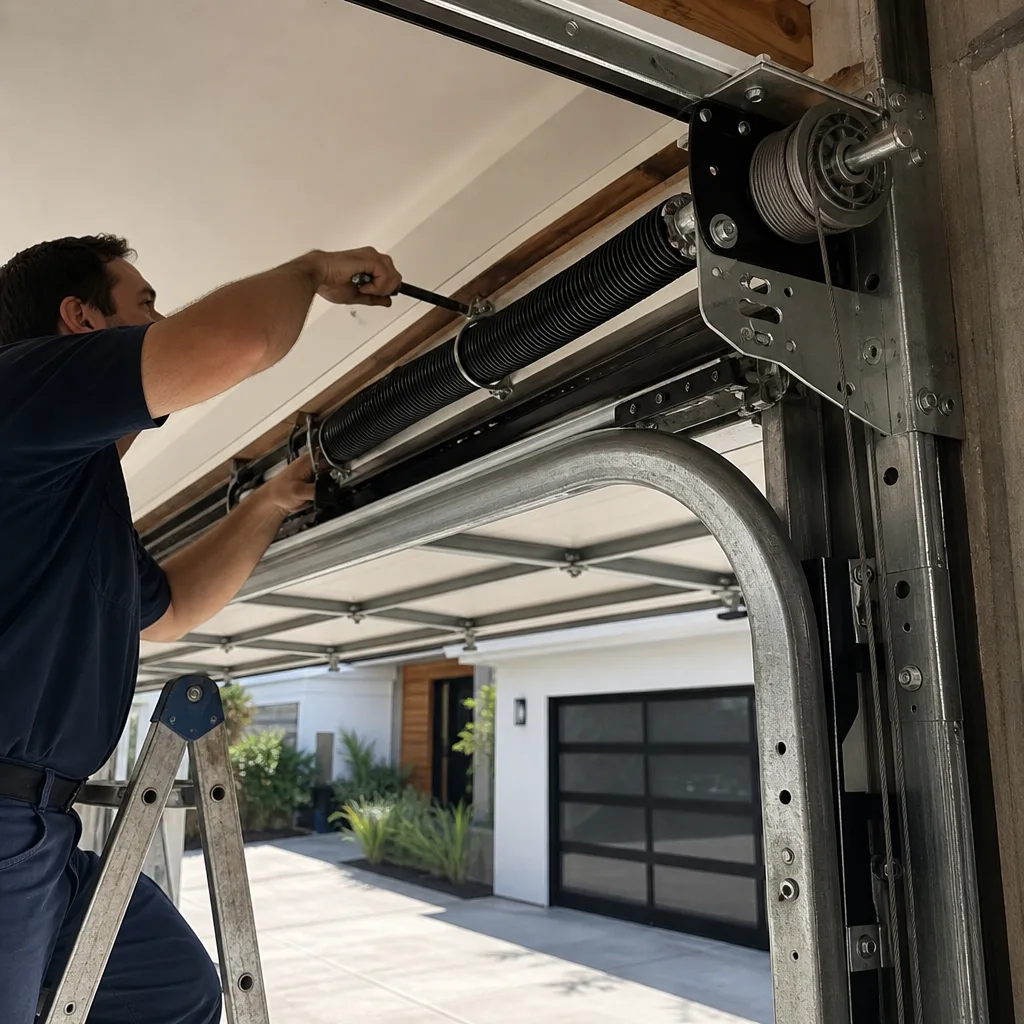
- Spring warranty: The torsion springs are the highest-wear component on any door, regardless of brand. Most manufacturers warrant springs for 3 to 5 years or a specific cycle count (often 10,000 cycles for standard springs, 25,000 to 50,000 for premium springs). A “lifetime” door warranty that excludes springs after 3 years is normal; it’s not a red flag. The red flag is a salesperson who implies the entire door is covered for the life of the home. Ask specifically: “What’s the spring warranty, in cycles or years?”
- Finish warranty: The paint or powder-coat finish. This one matters more in West Hollywood than in many markets because our sun exposure is intense. A finish warranty that excludes fading or UV degradation is less valuable here than in Seattle. Look for a finish warranty of at least 5 years against fading, and be aware that most manufacturers exclude finish failure on west-facing doors that get direct afternoon sun for 4+ hours daily. Some premium finishes carry longer terms. If your door faces west, and many West Hollywood garages do, ask about the finish warranty specifically.
- Hardware warranty: Hinges, brackets, rollers, and cables. Most manufacturers cover these for 1 to 3 years. Hardware is also the cheapest and easiest component to replace locally, so a short hardware warranty is not a dealbreaker. What matters is whether the hardware is standard and stocked locally. A 1-year warranty on parts you can get from an LA distributor the same day is more useful than a 10-year warranty on parts that ship from Ohio.
- Labor warranty: The manufacturer’s warranty covers parts only. Labor to install replacement parts is typically covered by the installing dealer for a limited time (often 1 year). After that, you pay for labor regardless of whether the part is under warranty. This is the number that matters most to homeowners whose door fails in year 4. Ask your installer what their labor warranty is and what it covers. A door with a “lifetime” panel warranty and a 1-year labor warranty will still cost you a few hundred dollars to replace a panel in year 5.
The bottom line on warranties: a single “lifetime warranty” claim tells you almost nothing. A specific breakdown of panel, spring, finish, hardware, and labor terms tells you exactly what you’re buying. Compare the breakdown, not the headline.
Common Mistakes to Avoid
- Buying the brand, not the product line: Every brand makes entry-level and premium product lines. A builder-grade Clopay is not the same as a Clopay Coachman. Evaluate the specific series, not the logo. You’re buying a product, not a sponsorship.
- Ignoring parts lead times before purchase: The brand with the longest warranty but no local parts stock will leave you waiting when something breaks. Ask about local distributor stock before signing. A two-week parts wait is a real cost, especially on a street-facing garage in West Hollywood.
- Skipping the design review check: In design review districts, installing a non-compliant door can trigger a stop-work order and a required replacement. Confirm with the City before ordering. The time to discover a design conflict is before the door is on a truck, not after.
- Accepting a single “lifetime warranty” number: As covered above, one warranty number hides at least three separate terms. If the quote doesn’t break out springs, finish, panels, and labor, the quote is incomplete.
- Choosing the cheapest bottom weatherstrip: In our climate, cheap vinyl weatherstripping dries and cracks within a few years. The bottom seal is a $30 part on most doors. Pay for EPDM and replace it before it cracks. Your garage floor will stay drier and your bottom brackets will last longer.
- Mixing architectural eras accidentally: A modern aluminum door on a Spanish Revival home looks like a mistake, and the design review board will likely agree. Match the door to the house, not to the photo in a catalog.
- Not asking about the spring system type: Wayne Dalton’s TorqueMaster is a legitimate spring system, but it uses proprietary parts that are harder to source locally. If you choose Wayne Dalton, ask whether the door comes with standard torsion springs or TorqueMaster, and make the decision knowing the parts implications.
When to Call a Professional
Some decisions you can make from your laptop. Others need eyes on the opening, a tape measure, and experience with how doors actually age in this climate. Call a professional when you’re dealing with any of the following: a non-standard opening size that requires custom panel sizing, a design review district or historic property with compliance questions, an existing door with visible rust or corrosion on the bottom sections or brackets, a door that binds or sticks during operation, a torsion spring that’s broken or making noise (do not attempt spring work yourself; high-tension springs are genuinely dangerous and require a trained technician). See our DIY vs Professional Garage Door: The West Hollywood Homeowner’s Decision Guide for more on when to call a pro, or an opener that’s failing intermittently. If the door won’t open, the opener hums but nothing moves, or you see a gap between the door and the garage floor, don’t force it. A jammed door under tension can be a serious safety risk.
In all of these situations, a professional inspection before you buy or repair will save you money. You’ll avoid buying a door that doesn’t fit, a brand with no local parts support, or a spring system that can’t be serviced quickly. Golden Bear Garage Door Repair offers free estimates in West Hollywood. We’ll inspect the existing system, answer your brand questions honestly, and give you a written price before any work starts. For garage door installation, Garage Door Installation in Burbank shows the level of detail and care we bring to every full-system replacement. Call (833) 467-4118 to schedule a visit.
If you’re in the broader LA area, you can also reach us through our Golden Bear Garage Door Repair home page, or visit our service pages for Garage Door Repair in Burbank and Garage Door Opener Repair in Burbank to see the depth of work we do with openers and doors across the region.
Frequently Asked Questions
The best brand for a West Hollywood home is usually Clopay or Amarr, because both brands have strong local parts distribution in the LA market, a wide range of panel profiles that fit the area’s architectural styles, and finishes that hold up well in our coastal-adjacent climate. The best brand for your specific home depends on your opening size, architectural era, design review requirements, and budget. Call (833) 467-4118 for a free estimate and an honest brand recommendation based on your home, not our inventory.
A standard single garage door replacement in West Hollywood typically costs between $1,200 and $3,500 installed, depending on the brand, panel material, insulation, and whether the opening is standard or custom. A double door runs $2,000 to $6,000. Custom wood doors or doors in historic districts can exceed $10,000. The best way to get an accurate number is to have the opening measured and the design requirements checked before committing. Golden Bear provides free estimates with written, upfront pricing before any work starts.
Yes, standard garage door openers work with every major door brand, including Clopay, Amarr, Wayne Dalton, Raynor, and CHI. The mechanical connection is universal. The complications arise with proprietary opener ecosystems like MyQ, which restrict third-party app integration, and with certain integrated door and opener packages that use non-standard rails or brackets. When replacing both a door and an opener, choose components that use standard hardware so you’re not locked into one manufacturer’s ecosystem.
Replacing a garage door in the same opening with the same dimensions generally does not require a permit in West Hollywood. Changing the structural opening, widening the door, altering the header, or converting a carport into a closed garage does require a building permit. Homes in design review districts may also require appearance approval from the City, regardless of whether the opening changes. Confirm with the City’s Building and Safety division before ordering.
Garage door brands take longer to repair when their replacement parts are not stocked at local distributors. Brands like Clopay and Amarr have large retail footprints in Southern California, so their parts are stocked at multiple LA-area warehouses. Brands like Wayne Dalton (specifically TorqueMaster systems), Raynor, and Martin have narrower parts distribution locally, which means some repairs require a factory order. The brand logo rarely matters for mechanical fit; parts lead time is the real variable.
Yes. Golden Bear Garage Door Repair provides certified service across eight major garage door and opener brands: LiftMaster, Chamberlain, Genie, Clopay, Amarr, Wayne Dalton, Craftsman, and Raynor. Whatever brand is on your door, we know it. If your door is from a brand outside that list, call (833) 467-4118 and we’ll let you know what we can do after a quick inspection. Most residential doors fall within our service scope.
The Bottom Line
Brand selection is not a beauty contest. It’s a question of what happens when something breaks. In West Hollywood, the brands that perform best over time are the ones with local parts stock, panel profiles that match the neighborhood’s architectural character, steel treatments that resist our coastal-adjacent moisture, and warranty terms that don’t hide the spring coverage behind a “lifetime” headline. Clopay and Amarr hit those marks most consistently for most homes. The rest depends on your specific opening, your design review status, and how long you plan to own the property. Ask the parts question. Check the design guidelines. Separate the warranty by component. If a salesperson can’t answer those three things specifically, they’re selling a logo, not a garage door.
Written by the team at Golden Bear Garage Door Repair, serving West Hollywood since 2016. Explore more guides & resources.
See the difference
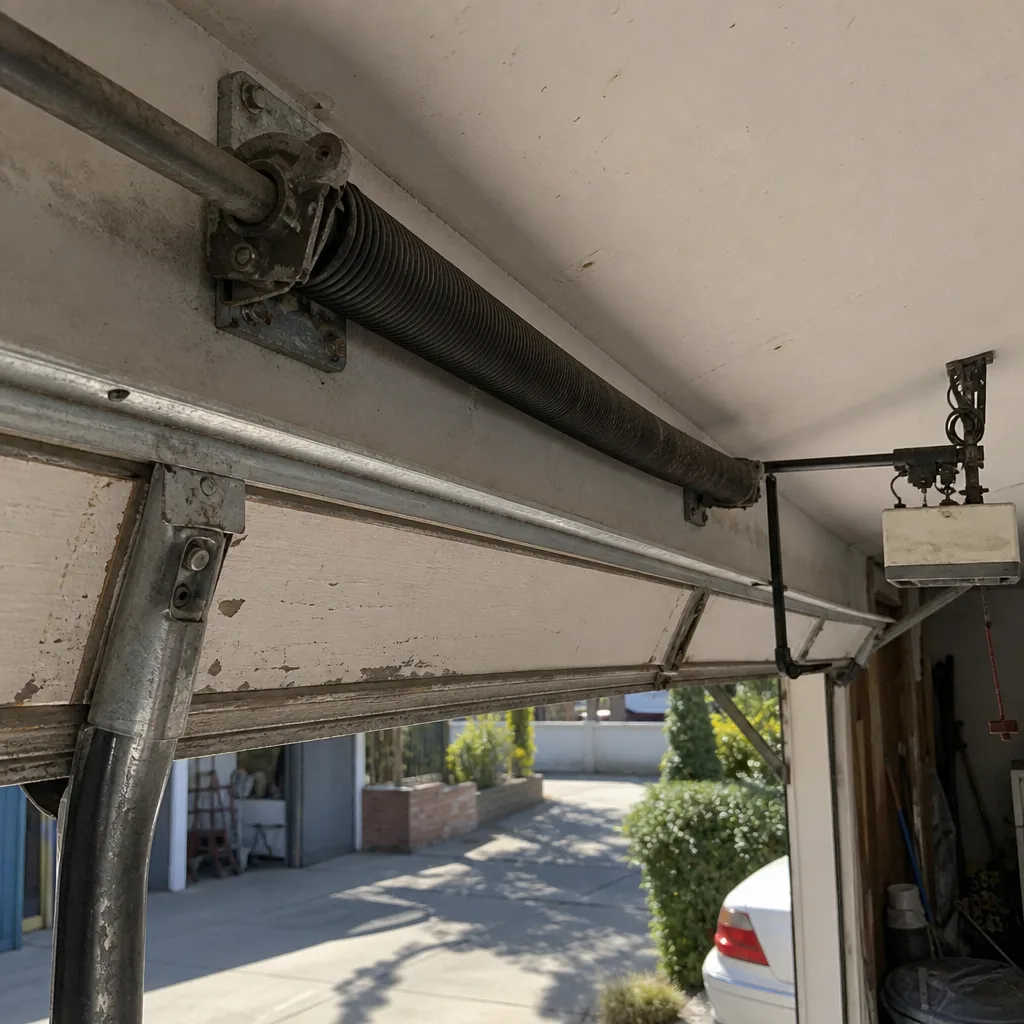 Before
 After
 Before
 After
 Before
 After