Last updated October 31, 2026
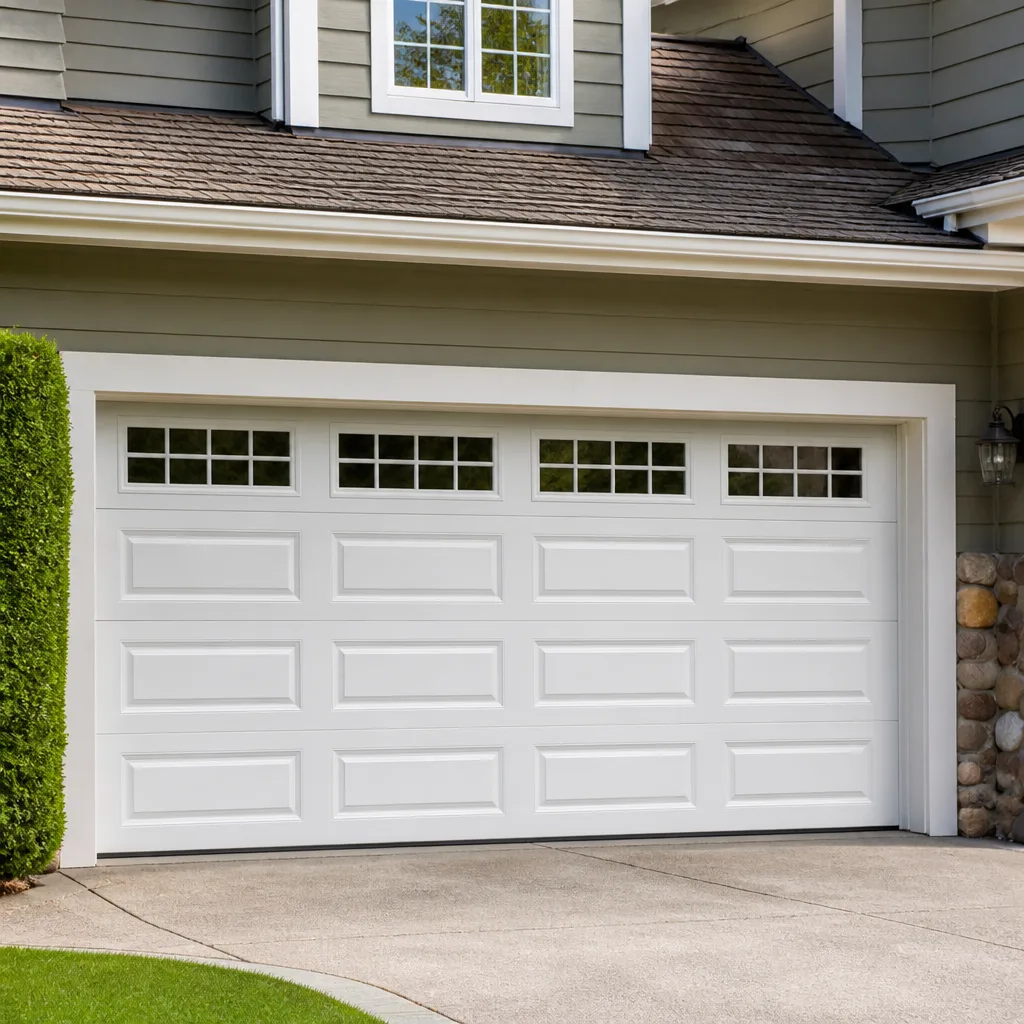 Raised-panel steel
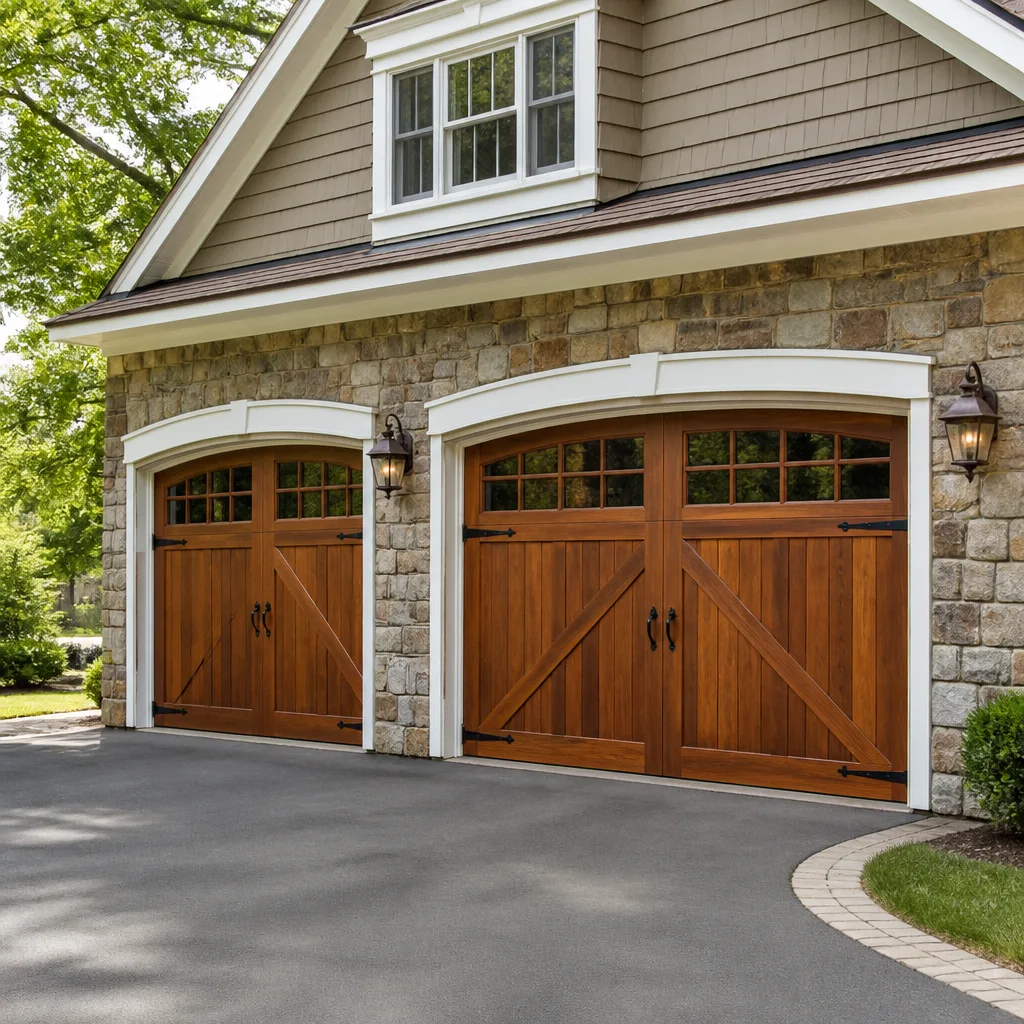 Carriage house
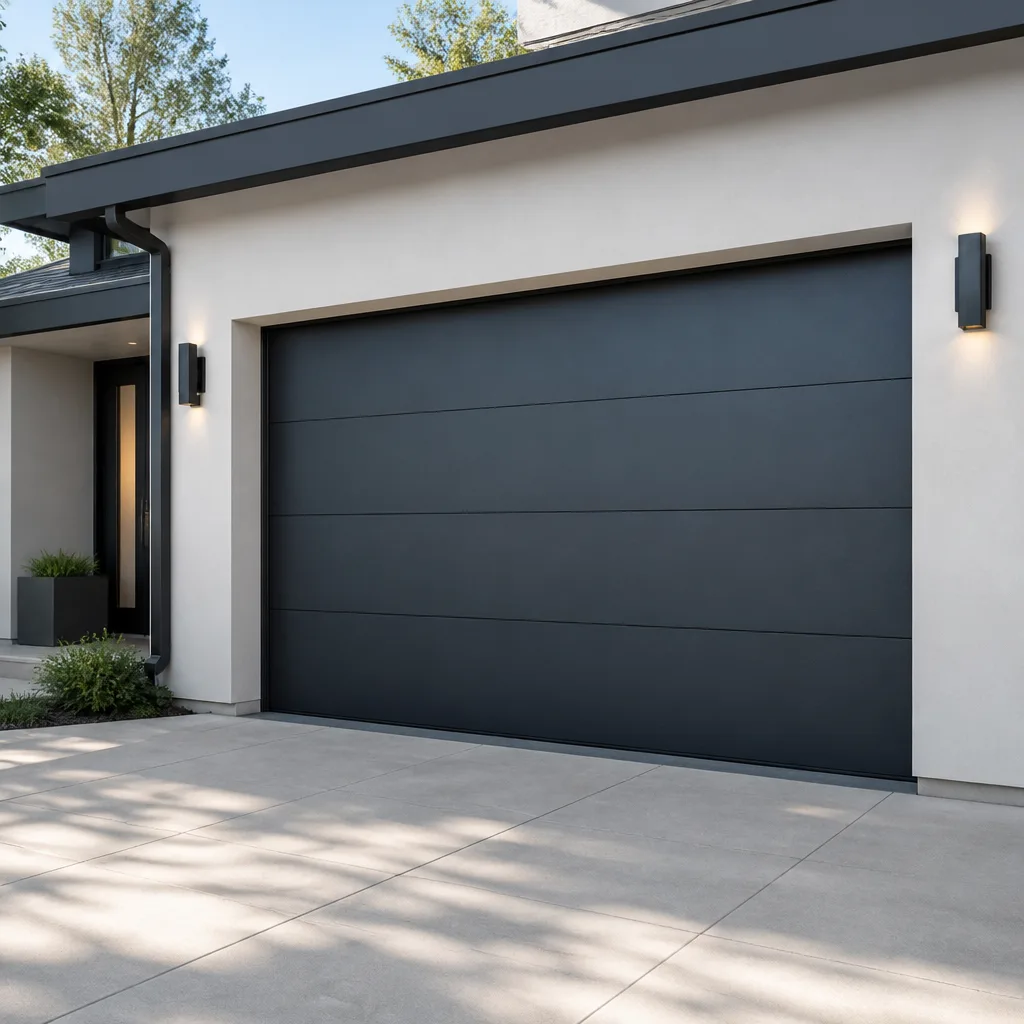 Modern flush
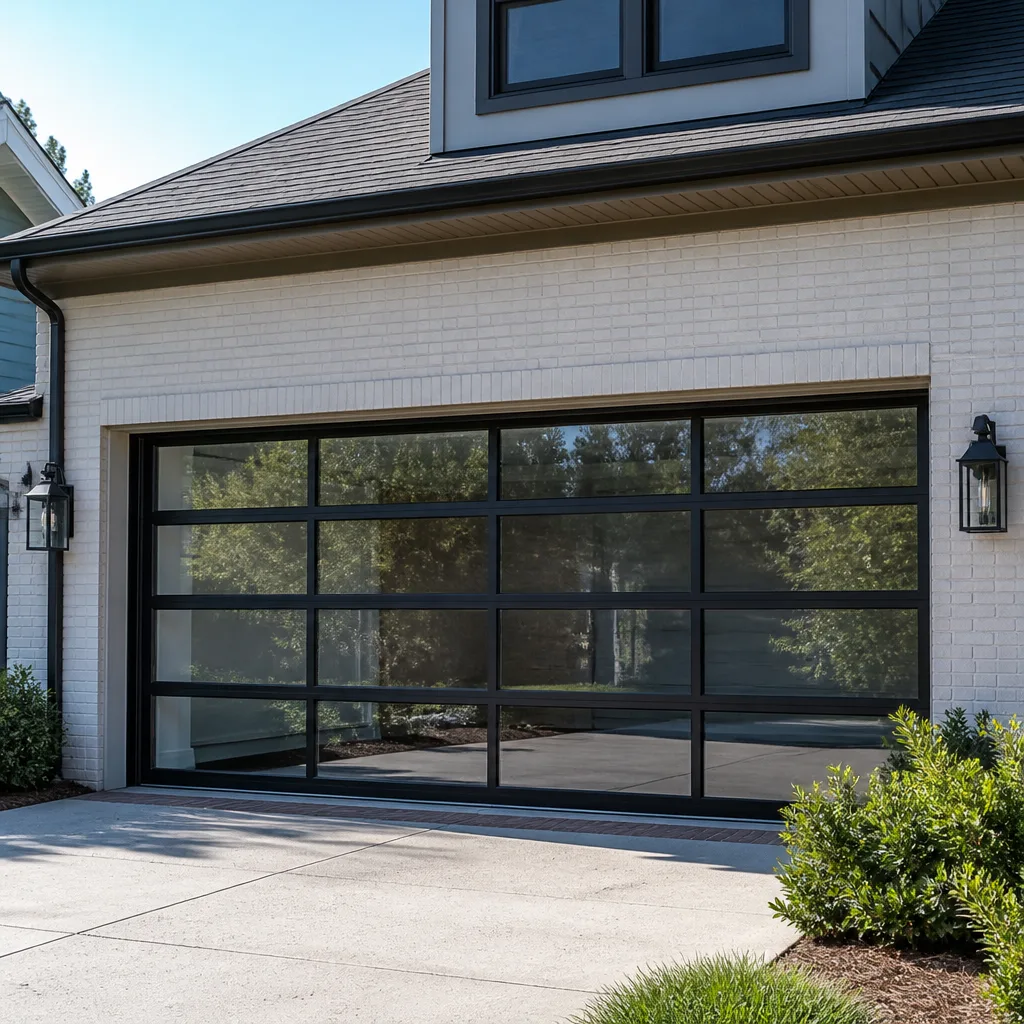 Full-view glass
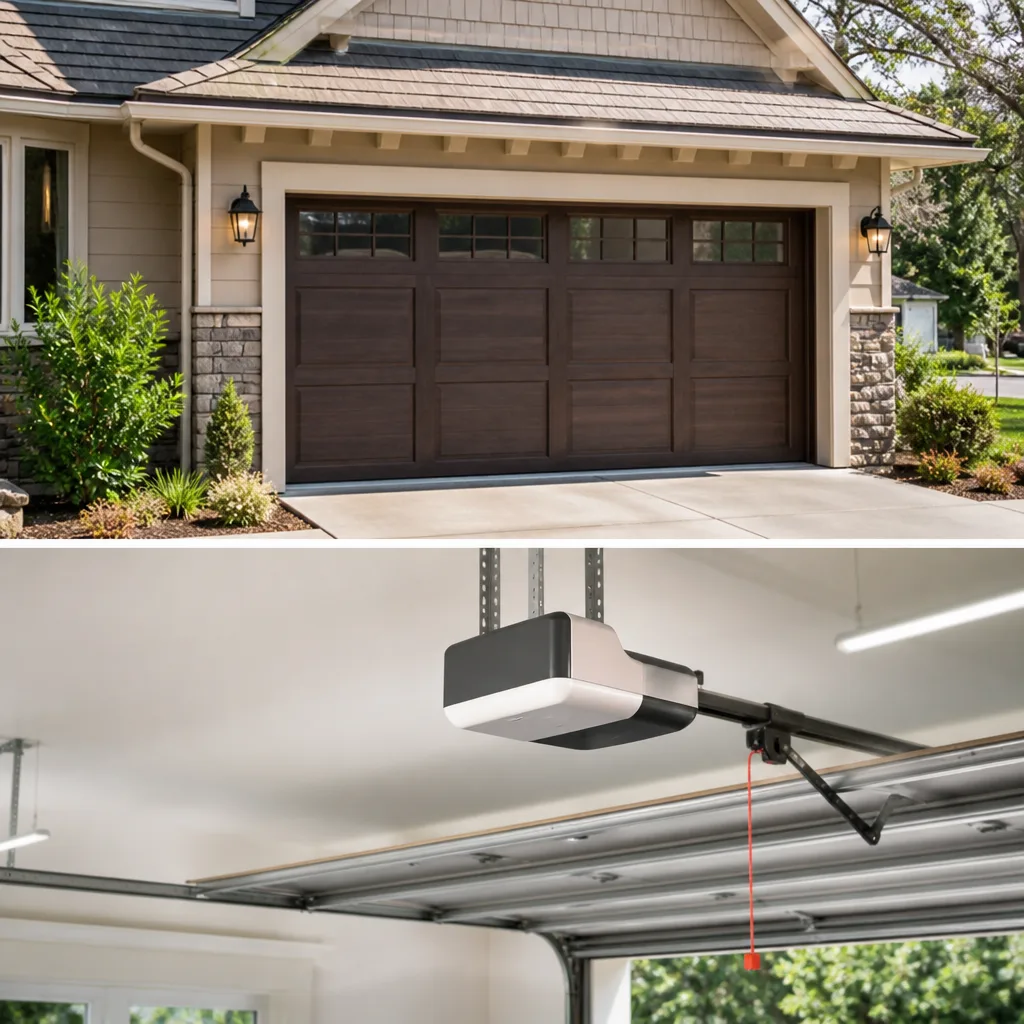 LiftMaster openers
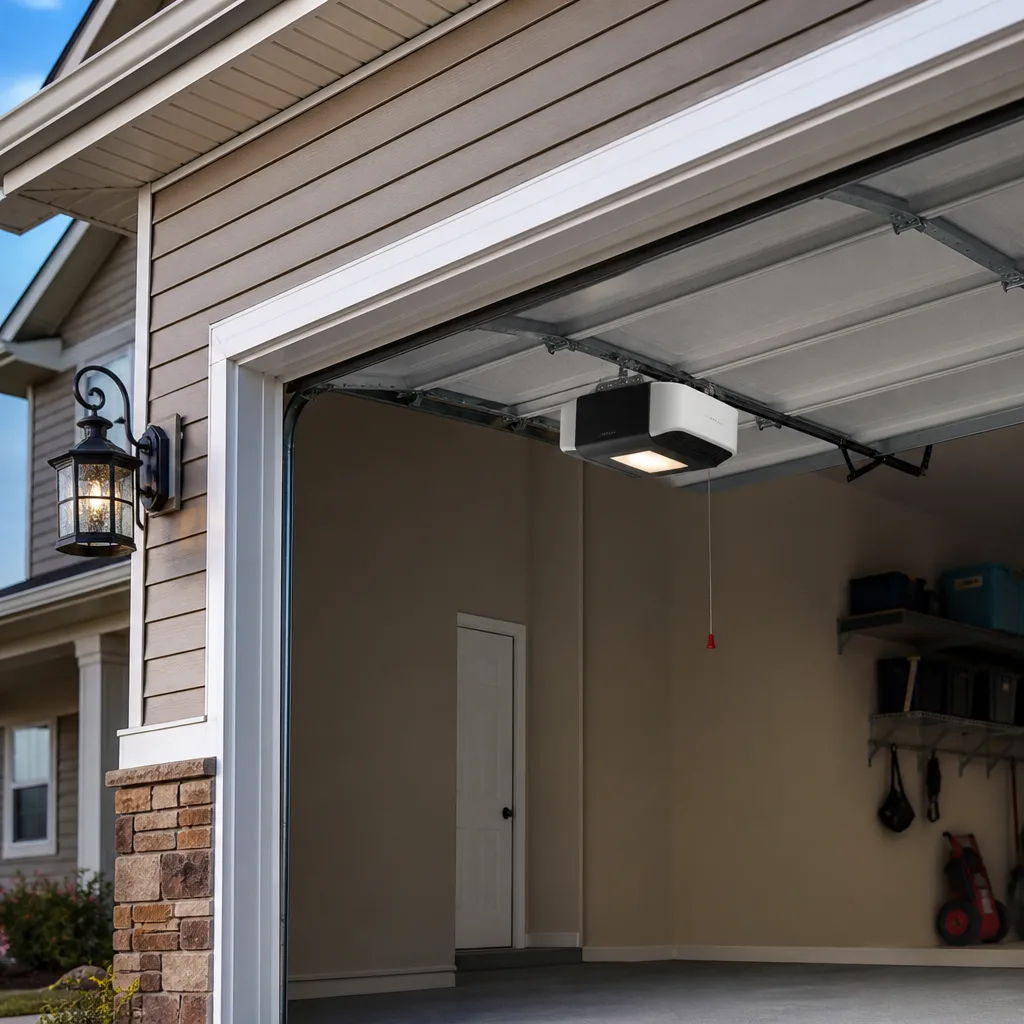 Chamberlain openers
Full 25-point door and opener safety check with every visit - springs, cables, rollers, tracks, and your LiftMaster or Chamberlain opener included
You get a price before we start. It does not change when the truck arrives.
Get your free estimateThe Complete Garage Door Repair Guide for West Hollywood Homeowners
The garage door on a 1948 West Hollywood bungalow shares almost nothing mechanically with the one on a 2019 condo stack, yet most repair guides treat them identically. That’s a problem. A torsion spring that works perfectly in a detached single-car garage off Fountain Avenue might be the wrong spec for a two-level parking structure in the Norma Triangle. This guide breaks down Garage Door Repair services in West Hollywood by structure type, so you can skip straight to advice that actually applies to your building. We’ll cover what fails and why, what it costs to fix, what you can check yourself, when to call someone, and how to avoid paying for work you don’t need.
Styles & brands we work with
Quick Answer
Garage door repair in West Hollywood typically costs $95 – $210 for minor fixes like sensor realignment or track lubrication, $180 – $340 for spring replacement, and $250 – $650 for more involved mechanical or opener repairs. Most single-family repairs take 1 – 2 hours on site. For multi-unit buildings, the first call should be to your building manager to confirm repair scope before any technician arrives.
Table of Contents
- Why West Hollywood Structure Types Dictate the Repair
- Understanding Your Existing System Before You Call
- How West Hollywood Climate Affects Springs and Hardware
- Common Failures by Building Era
- Repair or Replace: A Decision Tree for West Hollywood
- HOA and Condo Considerations in West Hollywood
- What a Homeowner Can Safely Check
- What Happens During a Typical Repair Visit
- Common Mistakes to Avoid
- When to Call a Professional
- Frequently Asked Questions
- The Bottom Line
Why West Hollywood Structure Types Dictate the Repair
West Hollywood’s housing stock falls into roughly three categories, and each one presents a different set of garage door problems. The 1940s and 1950s Spanish bungalows south of Santa Monica Boulevard mostly have detached or attached single-car garages with narrow openings, low headroom, and original wood or early steel doors. The mid-century dingbats and small apartment buildings scattered across the east side of the city typically have tuck-under parking with shared walls and load-bearing beams directly above the door opening. The modern infill condos and townhomes built since roughly 2000, concentrated near the Pacific Design Center and along the Sunset Strip corridor, use lighter aluminum or sectional steel doors with belt-driven smart openers.
This matters because the repair approach differs in each case. On a 1948 bungalow, a technician needs to work around low headroom clearances that may rule out modern opener rails without a low-headroom kit. On a dingbat’s tuck-under parking, the door itself might be wedged into a space where sensor alignment is a recurring problem because the floor slab has shifted over 60 years. On a newer condo, the opener and door are often part of a shared system, which means a single unit’s problem can be a symptom of a building-level issue. Knowing your structure type before you call saves time and keeps the diagnosis honest.
Our team at Golden Bear Garage Door Repair home handles all three categories regularly. We’ve worked on original wood doors in the West Hollywood West neighborhood and on Chamberlain and LiftMaster smart openers in newer glass-and-steel buildings. The diagnosis starts with where the door lives, not just what the door is.
Understanding Your Existing System Before You Call
When a garage door fails, half the useful information you can give a technician comes from reading the labels already on your equipment. Every opener and most door sections carry manufacturer markings. Knowing whether you have a LiftMaster, Genie, or Chamberlain opener changes which spare parts a technician should bring. On the door side, knowing whether it’s an Amarr, Clopay, or Wayne Dalton panel system tells a repair person what section compatibility will look like if a panel needs replacement.
Here’s what to look for before calling a West Hollywood garage door repair service:
- Read the opener label. It’s usually on the motor housing near the light bulb cover or on the rail. Write down the model number. LiftMaster and Chamberlain models look similar, but parts are not always interchangeable.
- Check the door bottom edge for a maker stamp. Many steel and aluminum doors carry a small sticker or embossed mark. If you can’t find one, take a photo of the panel profile and the hinge pattern.
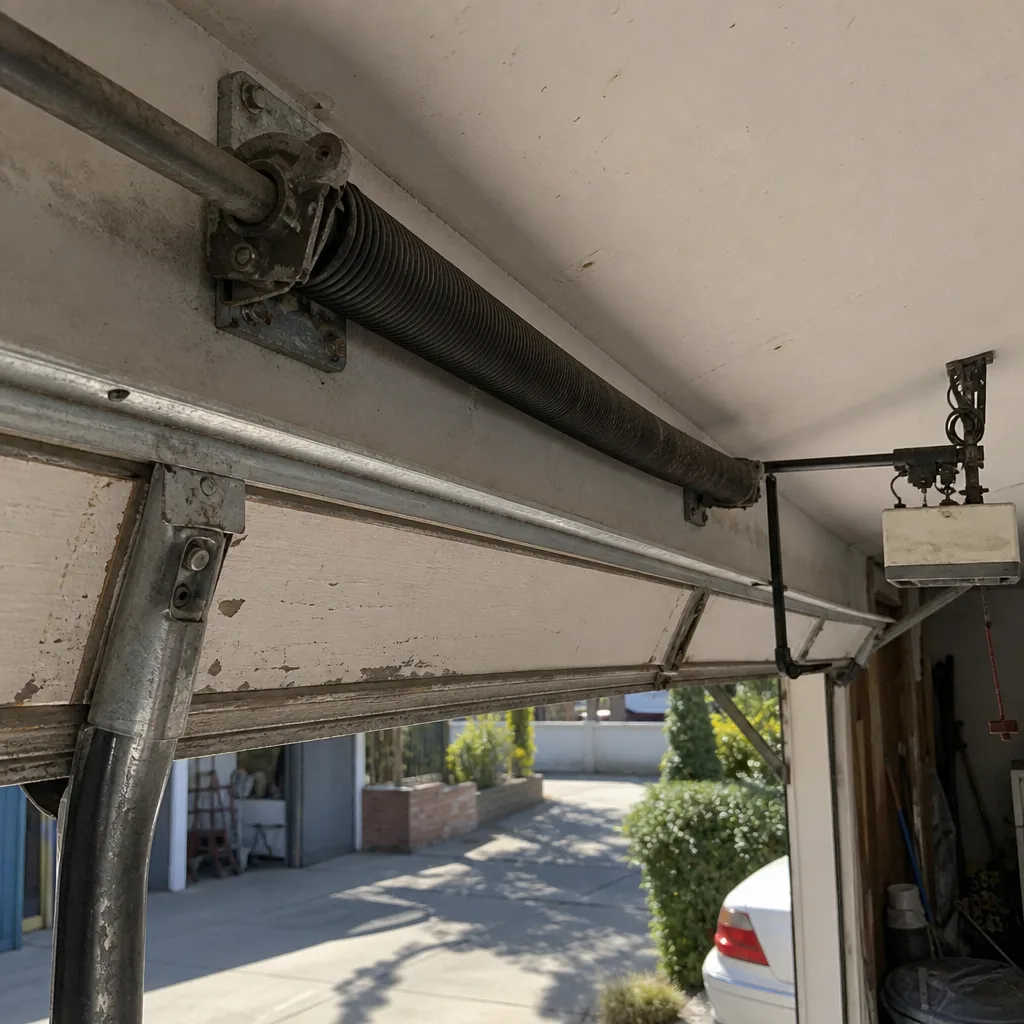
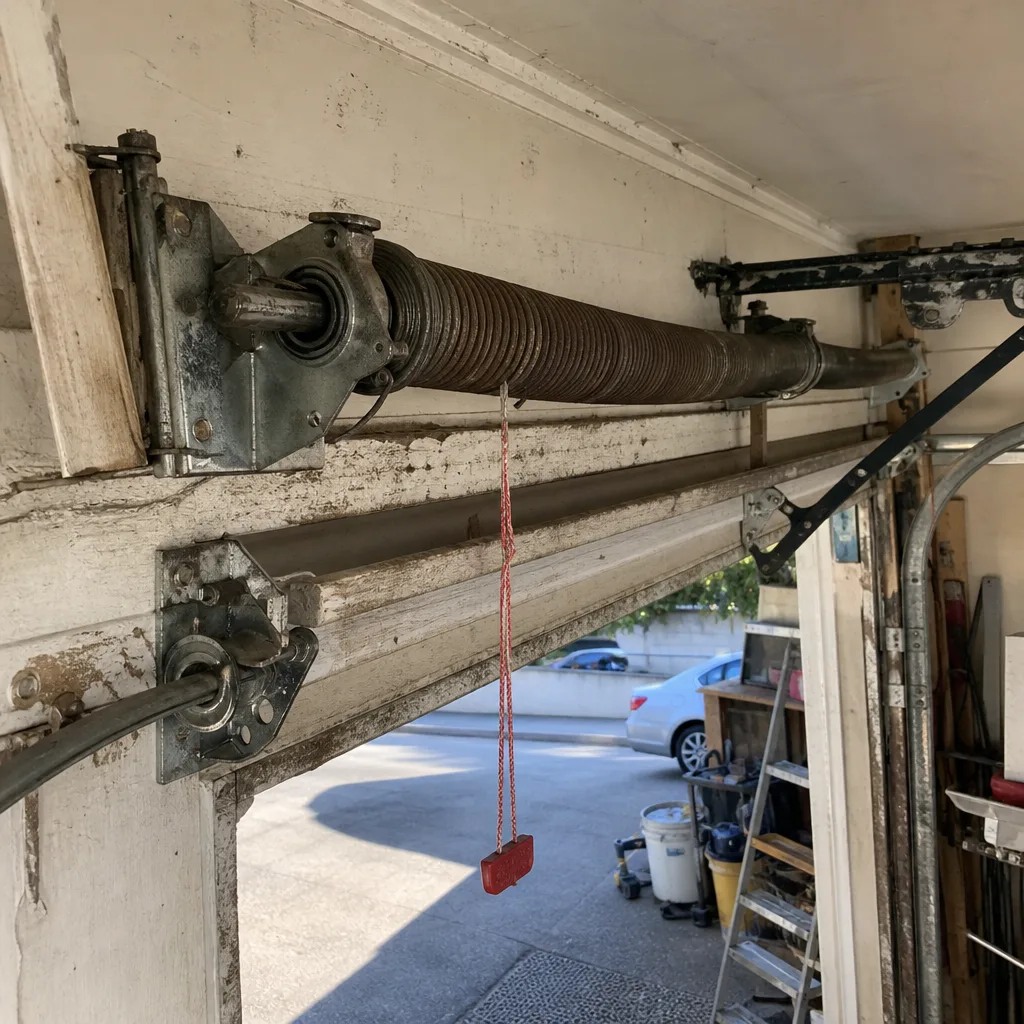
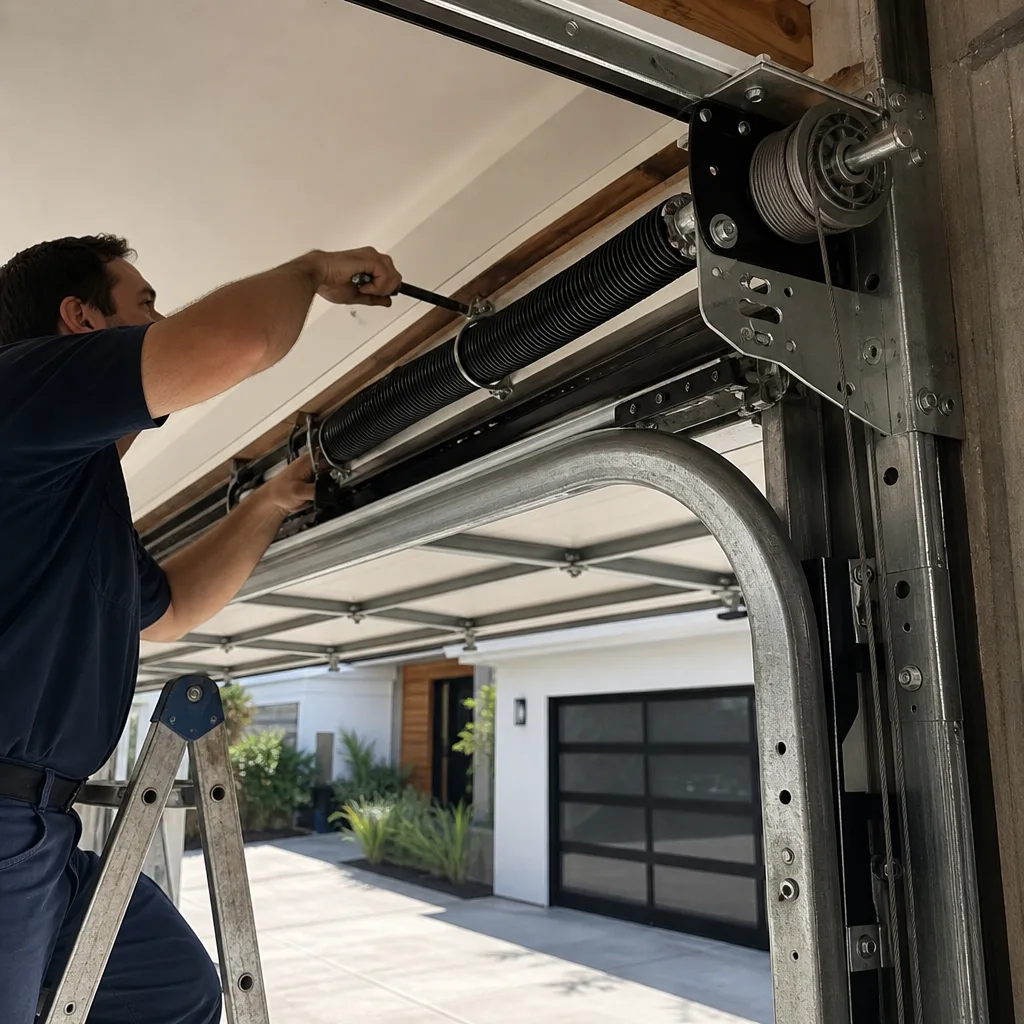
- Note the spring type. Look above the closed door. If you see one or two springs running horizontally across the top, that’s a torsion system. If you see springs along the side rails, it’s an extension system. Do not touch either type.
- Count the panels. Four-panel doors are standard for 7-foot openings. Five-panel doors usually mean an 8-foot opening, which changes spring and track specs.
- Check whether the opener is chain, belt, or screw drive. The rail mechanism is visible when the door is open. A belt looks like a wide, flat rubber strip. A chain looks like a bicycle chain. A screw drive has a long threaded rod.
This isn’t busywork. A technician who arrives knowing the door is a 1990s Clopay with an aging Genie screw-drive opener can bring the right parts on the first trip. A technician guessing on site might need to make a supply run or, worse, improvise with a part that doesn’t fit properly. For older doors in West Hollywood’s vintage housing, where legacy hardware like Raynor or early Craftsman systems is still common, the right parts knowledge is often the difference between a fixed door today and a follow-up visit next week.
How West Hollywood Climate Affects Springs and Hardware
West Hollywood’s climate, warm days, cool nights, and marine-layer humidity arriving from the Pacific, does specific things to garage door hardware. Constant temperature swings cause metal to expand and contract daily. Torsion springs, already under thousands of pounds of tension, accumulate fatigue faster in this environment than in more stable climates. What we notice in the field is that spring failure in West Hollywood rarely happens in the first five years, but becomes noticeably more likely after six to eight years of daily coastal air, especially in garages that face west toward the marine layer’s dominant path.
Corrosion is the other factor. The humidity in West Hollywood is moderate by coastal standards, but it is persistent enough to accelerate rust on unpainted track joints, fasteners, and roller bearings. In detached garages in neighborhoods like the Norma Triangle, where older structures may lack insulation or even full enclosure, hardware gets exposed to more moisture than in a sealed, modern condo garage. We regularly see track brackets with surface rust and stiff rollers on doors facing open alleyways or shaded courtyards, even when the door itself looks fine.
The practical takeaway is this: if your garage door has been in service for seven or more years and you hear a louder-than-usual bang or grinding sound when it opens, that’s not normal wear worth ignoring. In West Hollywood’s coastal-adjacent climate, planning for spring replacement at the seven-to-eight-year mark prevents the more serious cascade of events: a snapped spring, a door that can’t open, a vehicle trapped inside, and an emergency call that lands on a holiday or late at night.
Common Failures by Building Era
The age of your building in West Hollywood tells you what’s most likely to go wrong before you even look at the equipment. Here’s a breakdown by era, based on what we see across the city:
1940s – 1950s Bungalows and Small Houses
- Torsion spring fatigue. Original spring systems on doors installed prior to 1960 are often past several life cycles. If springs have been replaced once, they may be on upgraded systems now, but the mounting brackets and shaft bearings might still be original.
- Wood door warping and hinge stress. Original wood doors in older West Hollywood homes move with moisture. When a wood panel swells, it throws off track alignment and stresses hinges.
- Low headroom clearance problems. Many bungalows built before the 1960s have garage door openings with only 6 – 10 inches of headroom above the opening. Standard torsion spring systems and modern opener rails require more. Low-headroom hardware kits exist, but they need to be specified correctly on the first visit.
- Narrow single-car door jambs. A standard 8×7-foot opening was common. If the door was replaced with an off-size modern panel system, operators may be misaligned, causing premature wear.
1960s – 1970s Dingbats and Apartment Buildings
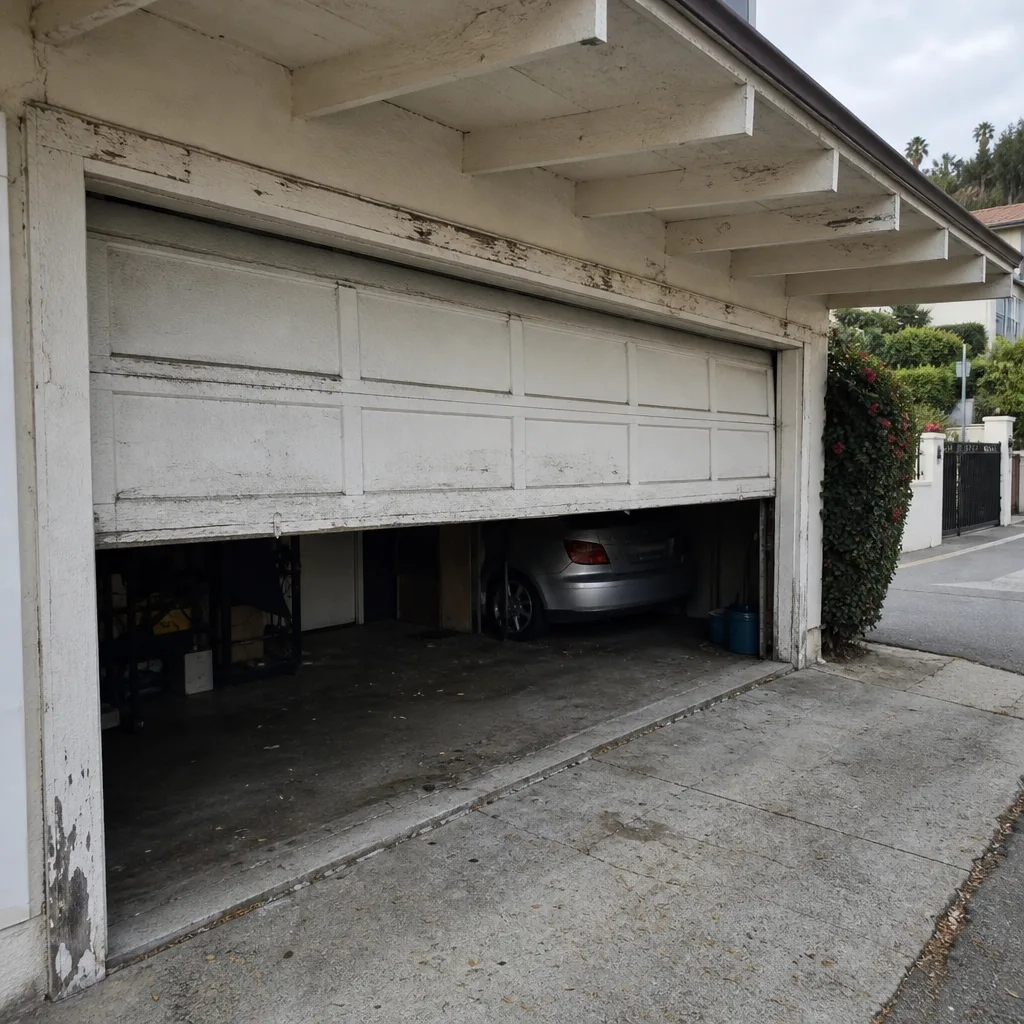
- Floor slab settling. When a tuck-under parking slab settles, the door tracks shift out of plumb. Sensors misalign, rollers bind, and the door can hang unevenly. This is the most common issue we see in this building type.
- Shared-wall track fastener loosening. On doors mounted to structural beams, repeated open-close vibration works fasteners loose over decades. Loose track brackets create shaking and premature roller wear.
- Aging opener logic boards. Mid-century apartment buildings often still have first- or second-generation openers. The mechanical parts might work, but the safety sensors and limit switches may no longer perform reliably. In a shared-door context, a stuck door affects every tenant who parks underground.
1980s – 2000s Condos and Remote-Parking Buildings
- Security lock bar and interlock wear. Shared systems from this era often have motorized deadbolts or mechanical interlocks on the parking gate and unit doors. These wear out on a schedule unrelated to the door itself.
- Chain-drive opener stretch. If your building’s doors run on chain drives, the chains stretch over time. They can jump teeth or slip, producing a loud clatter and a door that stops mid-cycle.
- HOA-level maintenance gaps. Doors in condo buildings from this era often sit at the bottom of a long HOA deferred-maintenance list. One door failure can reveal three or four more units with similar age-related issues.
Repair or Replace: A Decision Tree for West Hollywood
The decision between repairing a door and replacing it comes down to a few specific factors, and we walk through them with customers regularly. In West Hollywood, the decision is shaped by two extra forces: the city’s relatively dense housing stock, where garage space is often tight and hard-won, and the cost of replacement versus the practical lifespan left in the existing system.
Use this simple decision tree:
- Is the door structurally sound? If the panels are intact and the track is straight, repair is nearly always the right call. Cosmetic issues, paint wear, and even rust on hardware don’t justify replacement unless the structural integrity is compromised.
- Is the spring system in serviceable condition? If the springs are older than seven years or have been repaired more than once, replacement is often cheaper long-term than repeated repairs. A new spring set runs $180 – $340 in West Hollywood, while a premature failure can cost more because of emergency-call timing.
- Is the opener functioning at the right capacity? If the opener is undersized or undersupplied compared to the door’s weight, it’s not a repair situation. Openers from brands like LiftMaster and Chamberlain are readily serviceable in most cases, but a 25-year-old opener with no safety sensor support should be retired.
- Is the door a safety liability? Old bare-metal doors, doors without proper track brackets, or doors that don’t reverse on sensor trigger are hazards. If repairs would require upgrading the entire safety system, replacement is often the more honest recommendation.
- Would repair costs exceed 60 percent of replacement? For the typical single-car garage door in West Hollywood, full replacement runs $1,200 – $3,000 depending on the door and opener quality. If a repair quote lands above 60 percent of that, most homeowners are better off replacing.
One West Hollywood-specific nuance: if your home is under local historic preservation review, external door changes may require design approval. Interior hardware repair, including springs, tracks, and openers, does not trigger that process. Verify with your local planning office before investing in a replacement.
HOA and Condo Considerations in West Hollywood
In multi-unit buildings, garage door repair in West Hollywood has a preliminary step that single-family homes don’t: checking whether the door is classified as a unit-served or common-area element. Most HOAs classify unit-specific garage doors as limited common elements, which means the unit owner pays for repairs but the HOA controls the standards. That distinction matters because some HOAs require approved vendors or specific hardware brands. Before scheduling any repair, confirm with your building manager whether the door falls under HOA rules, whether they require a specific brand like Amarr or Raynor for panel replacements, and whether the repair affects any shared infrastructure like fire-rated doors or parking access systems.
What we’ve seen repeatedly is that homeowners who skip this step end up paying for a repair visit, only to have the technician turned away at the gate or told to redo the work with approved hardware. Some West Hollywood buildings require posted work schedules for any repair that affects parking access, even briefly. A five-minute check with the front desk or building manager saves everyone the trouble.
For homeowners in single-family houses, even in neighborhoods with strong aesthetic oversight like West Hollywood West, garage door repair doesn’t require HOA approval unless you’re changing the outward appearance of the door.
What a Homeowner Can Safely Check
Not every garage door issue requires a technician. Some problems are caused by blocked sensors, misaligned track bolts, or a simple battery issue in the remote. Here’s a safe, step-by-step diagnostic you can do in under 10 minutes:
- Check the safety sensors. The two photo-eye sensors sit near the floor on either side of the door opening. If one has a blinking light or is misaligned, the door won’t close properly. Gently wipe the lenses and make sure both units point directly at each other.
- Test the manual disconnect. Pull the red emergency release cord to disconnect the opener from the door. Try lifting the door manually. If it’s heavy or won’t stay up, that’s a spring or track problem, not an opener problem.
- Look at the track alignment. With the door open, check whether the tracks on either side are parallel. Loose bolts, visible gaps, or a track that’s bent even slightly can cause grinding and uneven travel.
- Listen to the door’s movement. A smooth door should sound like a low rumble. Squealing, popping, or grinding usually indicates roller wear, hinge fatigue, or a spring issue.
- Check the remote and wall switch. If the door operates from the wall switch but not the remote, it’s a battery or transmitter problem. If neither works, the opener itself may have lost power or failed.
One hard rule: do not attempt any DIY work on torsion springs. These springs are under hundreds of pounds of tension and can cause serious injury if released incorrectly. The same goes for cable repairs and track spring adjustments. These are jobs for a trained technician with the right winding bars and safety gear. If your diagnostic points to a spring or cable issue, stop and call.
If you need a professional to take over, our Garage Door Repair in Burbank team handles the same hardware diagnostics across the county, and the approach transfers directly to West Hollywood systems.
What Happens During a Typical Repair Visit
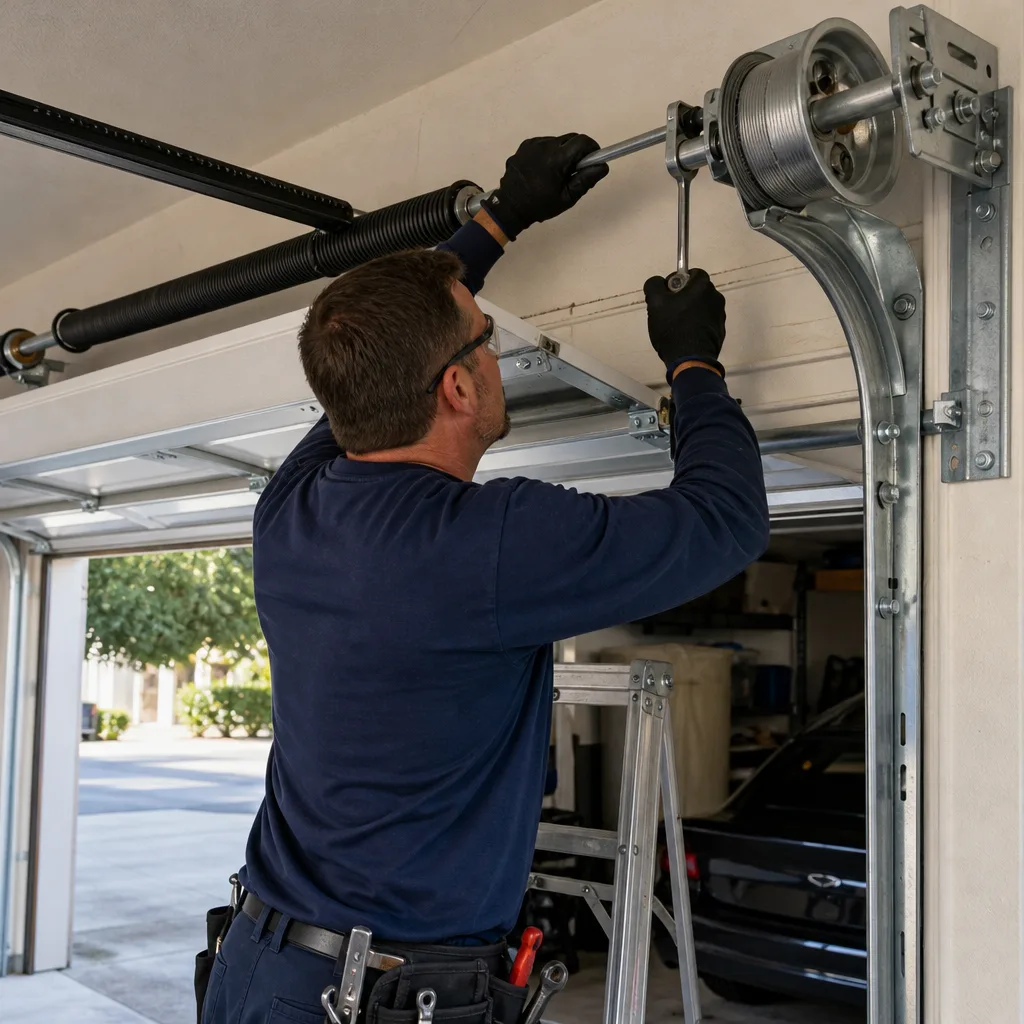
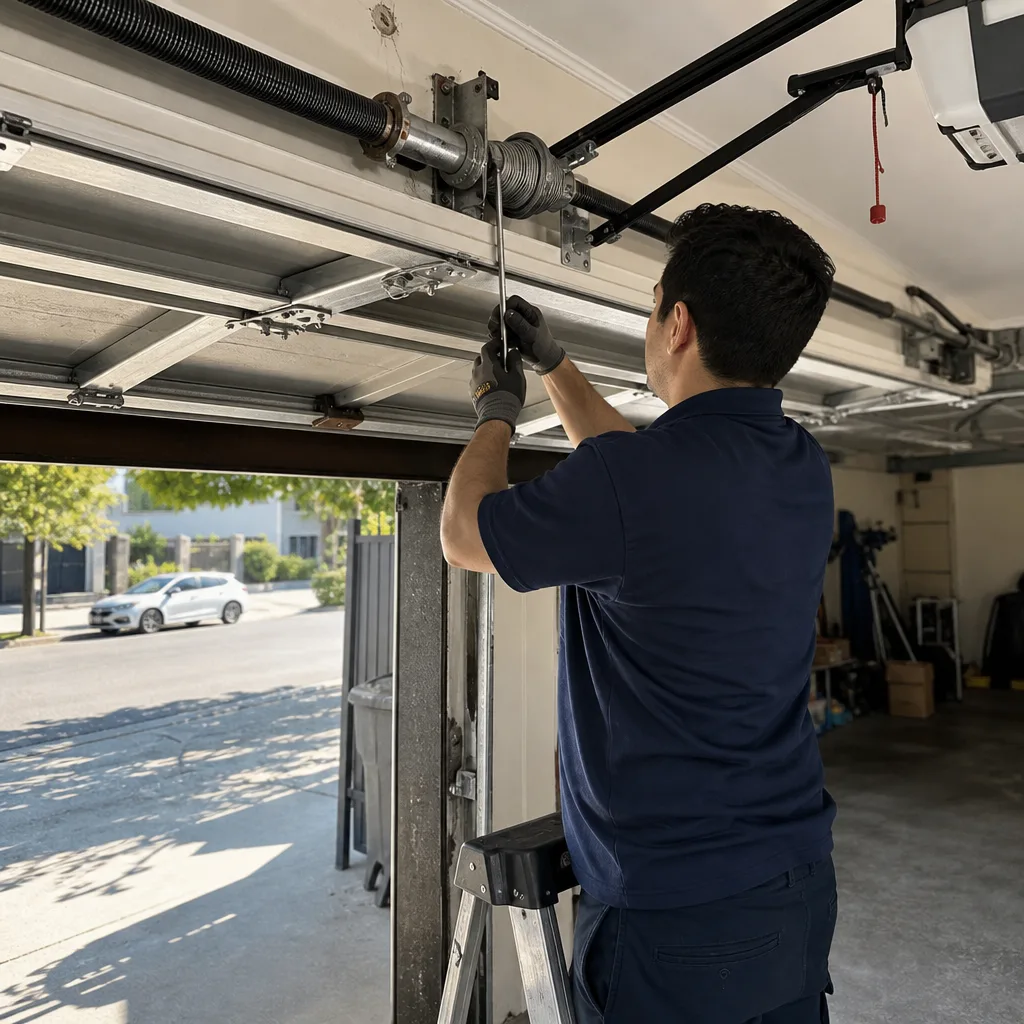
When you schedule a garage door repair in West Hollywood, the visit should follow a consistent sequence. At Golden Bear Garage Door Repair home, the process is built around diagnosis first. A technician arrives, asks what you observed, checks the door manually, tests the opener, and then walks you through the exact failure before quoting a price. The price is quoted and agreed before any work starts, so you’re never surprised by an invoice that doesn’t match the estimate.
A standard repair visit includes:
- Safety inspection of springs, cables, tracks, and rollers. If something else is close to failing, we tell you at the same visit, before it fails.
- Manual operation test. Disconnecting the opener to isolate door issues from opener issues.
- Opener diagnosis. Checking the limit settings, force settings, and safety sensor function.
- Repair or replacement of the failed component. For openers, this might mean a new logic board, gear kit, or full unit. For doors, it’s usually springs, rollers, cables, hinges, or track realignment.
- A final balance test. A properly balanced door should stay in place when raised halfway manually. If not, the spring tension needs adjustment.
We also carry common parts for LiftMaster, Chamberlain, Genie, and Craftsman openers, plus hardware that works across Amarr, Clopay, and Wayne Dalton door systems. For older or less common hardware, we’ll tell you upfront that a part needs to be ordered rather than making a second trip feel like a surprise.
If your opener repair is the specific issue, Garage Door Opener Repair in Burbank details how opener-only diagnostics work. If a full door replacement is the likely end path, Garage Door Installation in Burbank outlines the measurement and ordering process.
Common Mistakes to Avoid
- Ignoring a slow or noisy door until it fails. A door that’s been loud for six months is signaling a problem. In West Hollywood’s humid climate, corrosion and spring fatigue compound quickly once they start. Catching an issue during the noisy phase usually means a $100 – $200 fix instead of a $300 – $500 spring replacement or a full opener replacement.
- Assuming the opener is the problem when the springs have failed. More than half of “opener dead” calls we receive are actually spring failures. A door with a broken spring won’t open, which makes the opener seem dead even when it’s fine. Test the manual disconnect before assuming the worst.
- Replacing a panel on an old door that’s out of production. If your door is a 1990s or early-2000s model, the exact panel design may no longer be manufactured. Buying a mismatched panel usually looks wrong and creates weight imbalance. A full door assessment is often smarter.
- Skipping the HOA check in condo buildings. In WeHo condos and co-ops, unauthorized repair work can lead to fines or required rework. Five minutes with your building manager prevents that.
- Lubricating the wrong parts. Spraying lubricant on the track or spring does more harm than good. Lubricate hinges, rollers, and the spring’s coils, but never the track itself. A greasy track attracts dust and causes roller drag.
- Choosing a repair based on the cheapest phone quote. A phone quote can’t see your door. Anyone who guarantees a price before looking at the hardware is guessing. A proper quote happens on site, after diagnosis.
- Waiting until a holiday or rainy day to call. WeHo garage doors don’t wait for convenient times. If your door is making unusual sounds, schedule the fix before an emergency forces a middle-of-the-night call.
When to Call a Professional
Call a professional if the door won’t open or close, makes a loud bang when moving, sits unevenly in the tracks, or has visible damage to springs, cables, or hinges. Also call if the opener runs but the door doesn’t move, if safety sensors fail to stop the door on obstruction, or if the door has been getting progressively slower over several weeks. These are all mechanical failures that worsen with use. Golden Bear Garage Door Repair offers free estimates in West Hollywood – call (833) 467-4118 and we’ll diagnose the issue on site, quote the work before starting, and handle everything from a broken spring to a full replacement.
Frequently Asked Questions
Minor garage door repairs in West Hollywood typically cost $95 – $210. Spring replacement runs $180 – $340 for a standard single-door torsion system. More involved repairs like track realignment or opener gear replacement range from $250 – $650 depending on parts and access. Call (833) 467-4118 for an exact quote – estimates are free.
Same-day appointments are available for most West Hollywood calls when scheduled before the early afternoon. Emergency service for a stuck door or broken spring is often available same-day. Call (833) 467-4118 and tell us what you’re seeing – we’ll tell you honestly if it can wait or needs immediate attention.
No. The price you’re quoted during the on-site diagnosis is the price you pay. We walk through the exact failure, quote the repair in writing, and start only after you agree. If additional problems are found during the repair, we stop and discuss them before adding any cost.
Yes. Our trucks carry common springs, rollers, hinges, cables, and opener parts for LiftMaster, Chamberlain, Genie, and Craftsman openers, plus hardware compatible with Amarr, Clopay, and Wayne Dalton doors. For less common or legacy parts, we’ll tell you upfront that ordering is required.
West Hollywood’s marine-layer humidity and daily temperature swings cause metal fatigue in torsion springs faster than in drier inland climates. Springs under constant tension experience microscopic expansion and contraction daily, which shortens their effective lifespan to roughly seven to nine years in this climate. Annual inspection catches fatigue before failure.
If the door itself is structurally sound, repair is usually the better path. Noisy operation often comes from worn rollers, dry hinges, or a misaligned track – all repairable. If the noise comes from a failing spring or the door is older than 20 years with original panels, replacement may cost less over the next decade than repeated repairs. A diagnosis visit clears this up in about 30 minutes.
The Bottom Line
Garage door repair in West Hollywood works best when it accounts for the city’s housing variety, not just the door’s symptoms. Older bungalows need low-headroom hardware and legacy parts knowledge, as covered in The Complete Guide to Garage Door in West Hollywood. Multi-unit buildings require HOA verification before any shared door is touched. Newer condos pair smart openers with aluminum door systems that respond to different repair approaches. Find a shop that works across all those scenarios, that stocks parts for LiftMaster, Chamberlain, Genie, and Craftsman openers, and that works on Amarr, Clopay, and Wayne Dalton doors. And schedule the repair when the door starts hinting, not when it stops working completely. Golden Bear Garage Door Repair handles all of this – doors, openers, full replacements – in one call. Reach us at (833) 467-4118 for a free estimate, quoted before any work begins.
Written by the team at Golden Bear Garage Door Repair, serving West Hollywood since 2016.
See the difference
 Before
 After
 Before
 After
 Before
 After