
Last updated October 31, 2026
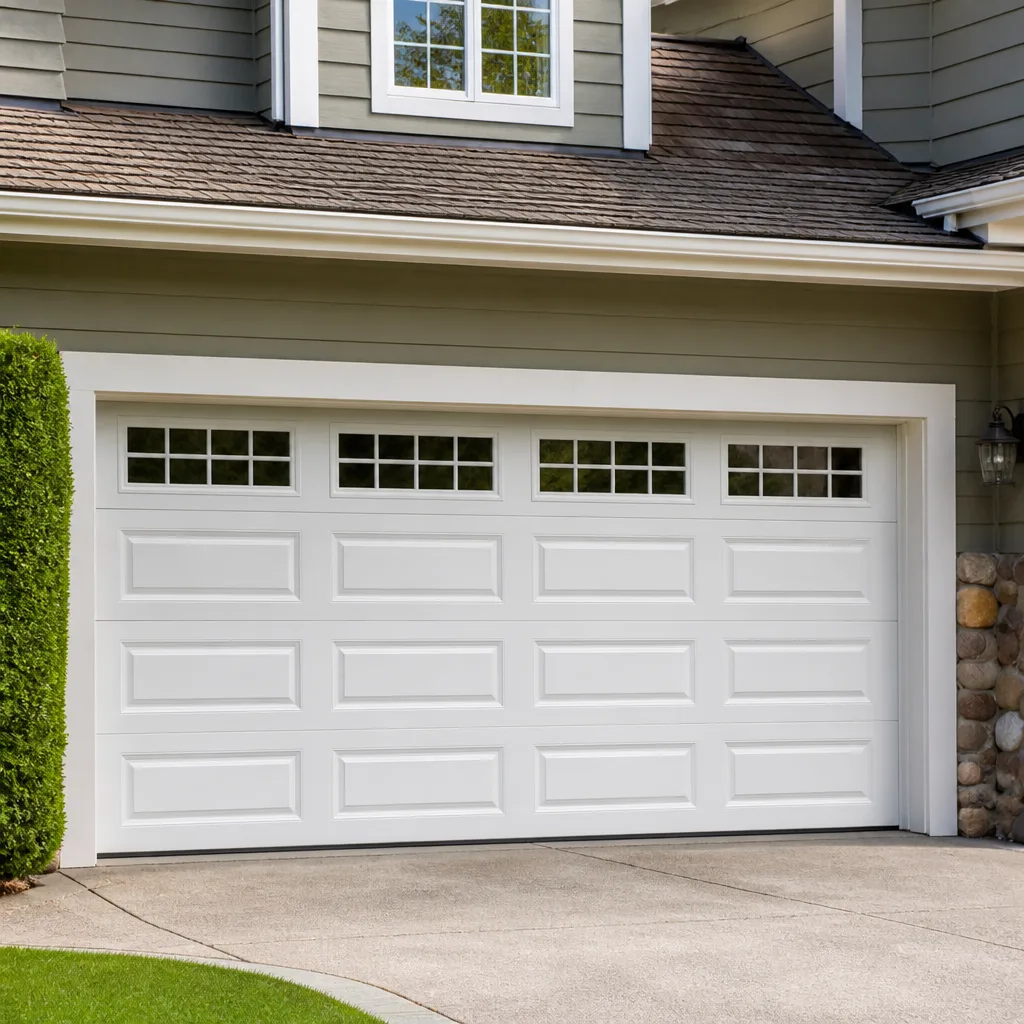 Raised-panel steel
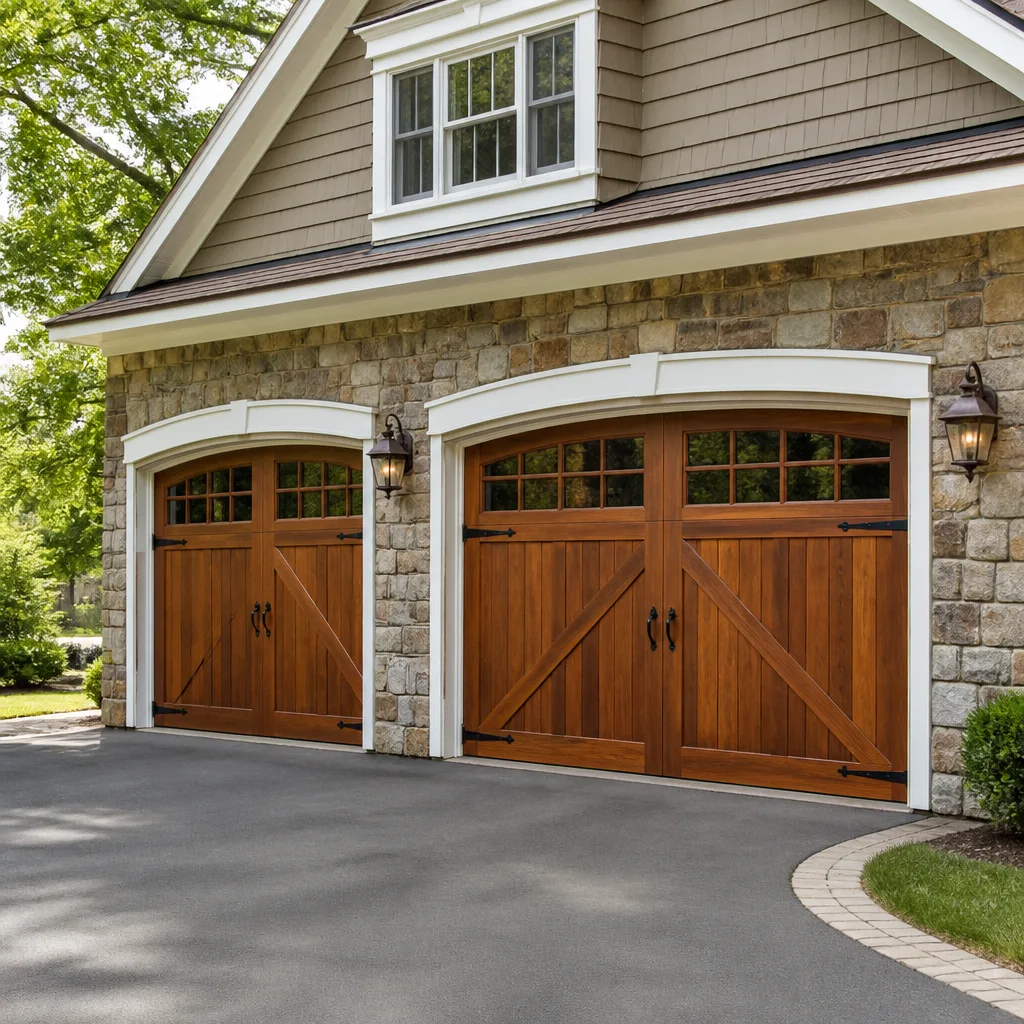 Carriage house
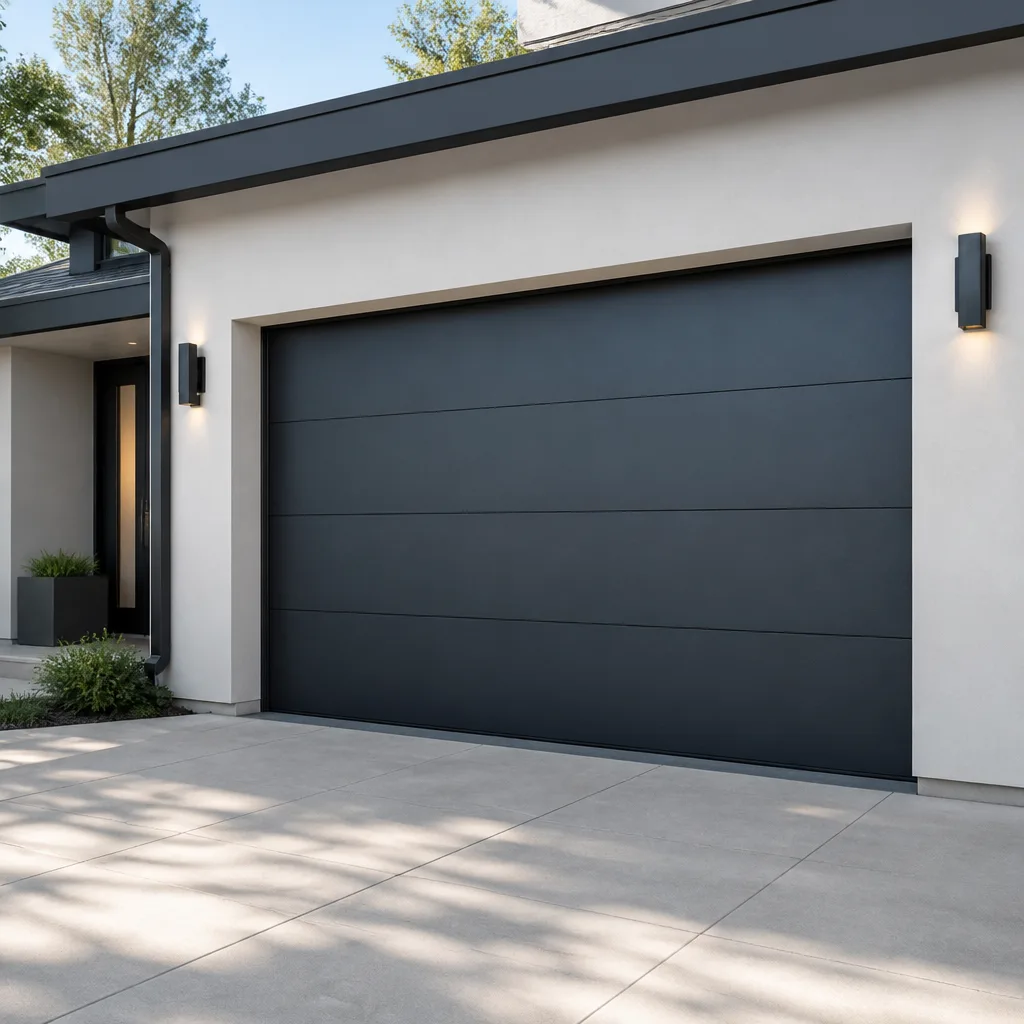 Modern flush
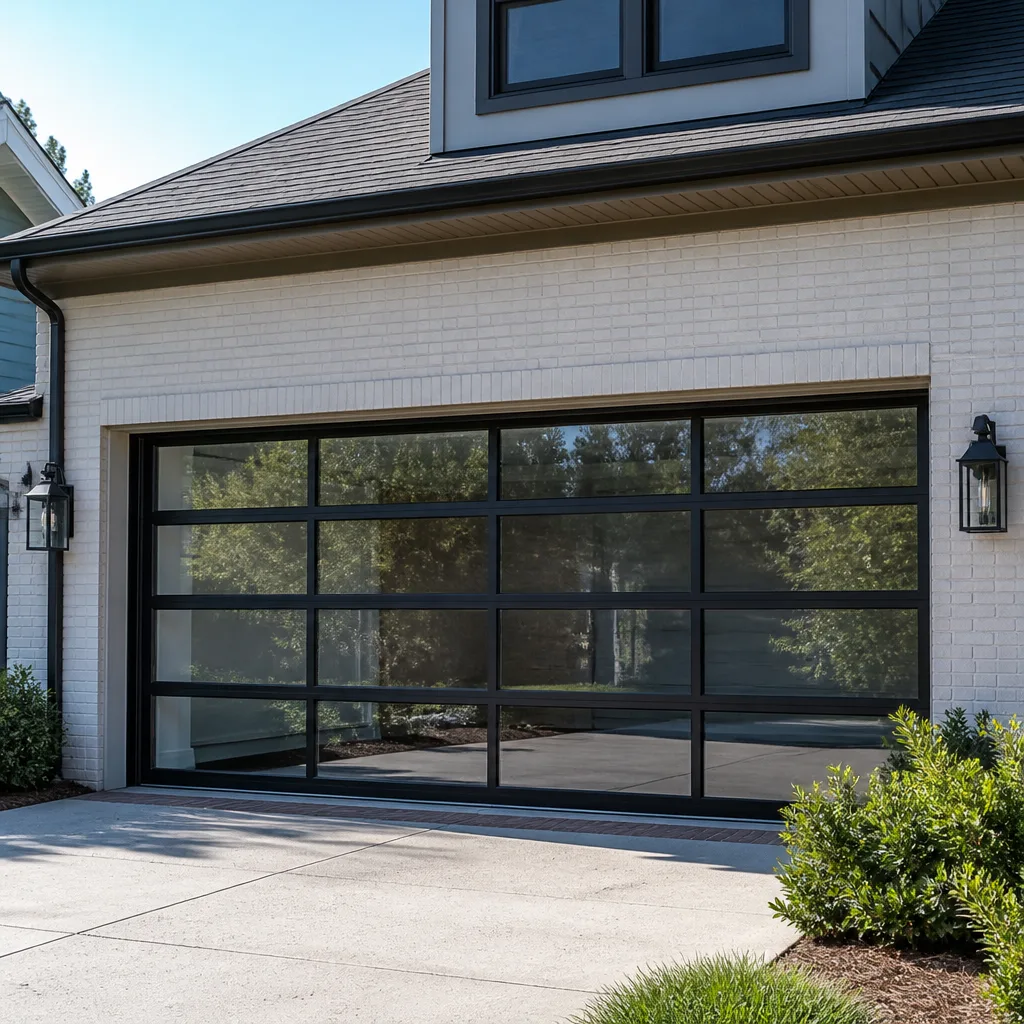 Full-view glass
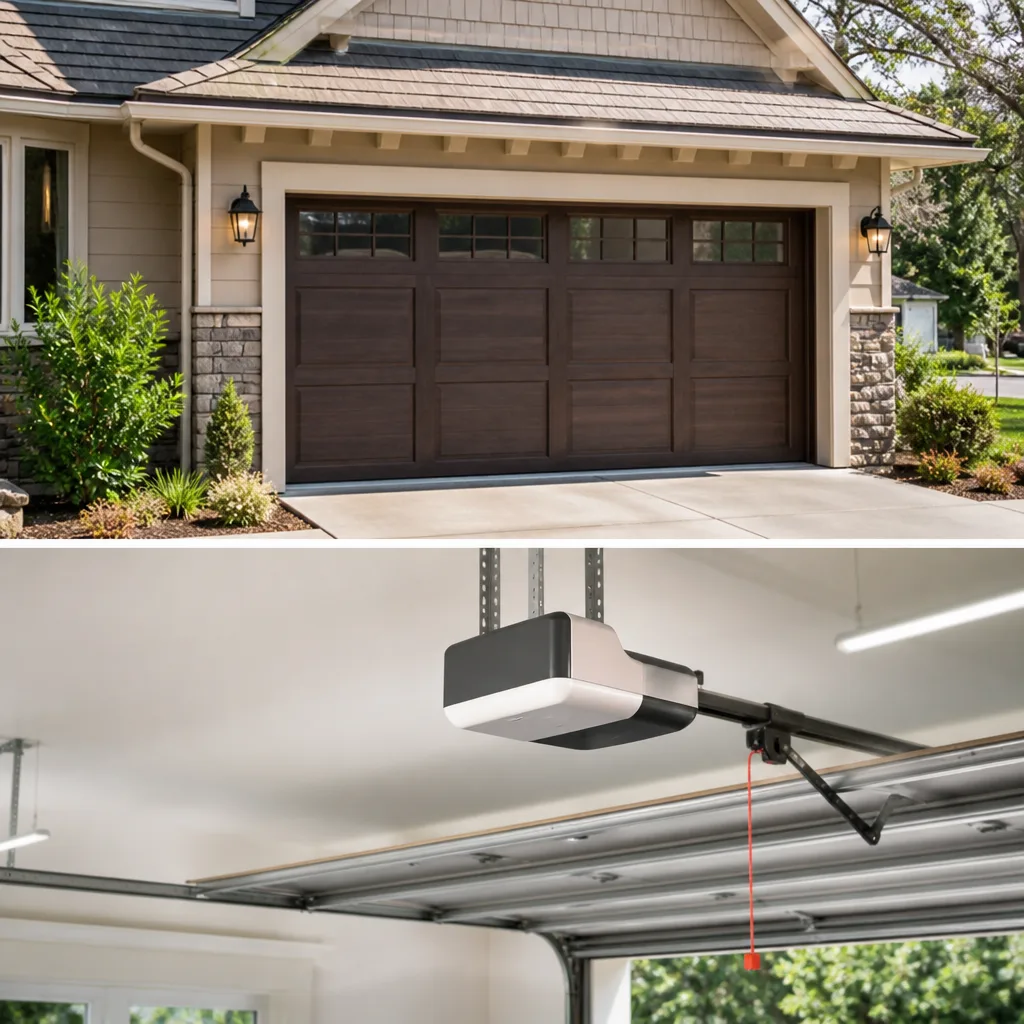 LiftMaster openers
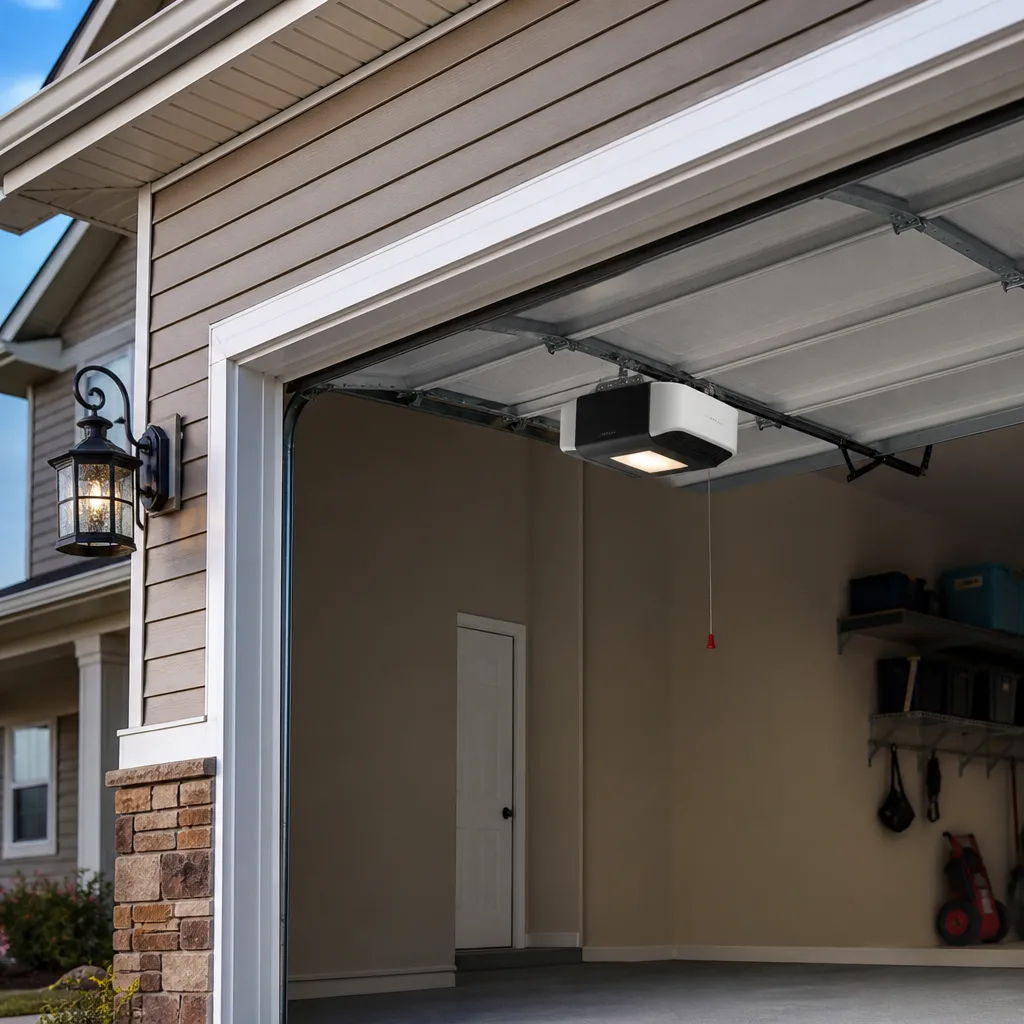 Chamberlain openers
Full 25-point door and opener safety check with every visit - springs, cables, rollers, tracks, and your LiftMaster or Chamberlain opener included
You get a price before we start. It does not change when the truck arrives.
Get your free estimateSeasonal Garage Door Care for West Hollywood: Year-Round Homeowner’s Guide
The Santa Ana wind events that sweep through West Hollywood each fall don’t just raise fire risk and make everyone’s allergies flare. They drive fine particulate debris into garage door roller tracks, hinges, and bottom seals at a rate that can compress months of mechanical wear into a matter of days. Most homeowners don’t think about their garage door until it stops working, but in this particular climate, that waiting game gets expensive fast. This guide replaces the worn-out spring/summer/fall/winter maintenance checklist with a calendar that actually reflects what happens outside your door in West Hollywood, and you can find more guides & resources on our blog. You’ll learn what each distinct season does to your system, which components fail first, and what a 20-minute seasonal check can save you.
Quick Answer
Seasonal garage door care in West Hollywood means adjusting your maintenance routine around four real climate periods: the Santa Ana wind season (October – December), the wet season (January – March), the marine layer cycle (May – July), and the dry heat period (August – September). Each season stresses different components, from roller tracks clogged with wind-driven grit to torsion springs reacting to temperature swings. A homeowner who spends about 20 minutes per season on targeted checks will catch most failures before they become emergency repairs, as detailed in The Complete Garage Door Repair Guide for West Hollywood Homeowners.
Styles & brands we work with
Table of Contents
- Santa Ana Season Prep (October – December): The Grit That Wears Doors Down
- Wet Season Watch (January – March): Moisture, Clay Soil, and Wood Panel Swelling
- Marine Layer Cycle (May – July): The Slow Corrosion Nobody Notices
- Dry Heat Period (August – September): Thermal Expansion and Tension Drift
- Month-by-Month Quick Reference Card for West Hollywood Homeowners
- Common Mistakes to Avoid
- When to Call a Professional
- Frequently Asked Questions
Santa Ana Season Prep (October – December): The Grit That Wears Doors Down
Santa Ana winds in West Hollywood are most intense from October through December, and they carry something most maintenance guides completely ignore: abrasive particulates. This isn’t just dust. It’s fine silicate grit from the San Gabriel Mountains and the high desert, moving at sustained speeds that embed it into every moving surface of your garage door system.
What we see in our service calls during this season is consistent. Roller tracks clog with a paste of wind-blown dirt and old lubricant. Bottom seals trap grit against the concrete, which then grinds the seal material down every time the door cycles. Hinges develop a grinding sound that homeowners often mistake for a spring problem. And the springs themselves, particularly on older doors, become more vulnerable during this period because of the temperature swings that accompany Santa Ana events. A dry, hot day followed by a sharp overnight drop changes the metallurgical stress profile of a torsion spring that’s already near the end of its service life.
Here’s the Santa Ana season protocol we recommend for West Hollywood homeowners:
- Clean the roller tracks. Use a dry rag first to remove loose debris, then wipe with a clean cloth. Do not use grease or heavy oil. Tracks should be dry and clean, not lubricated. If you see visible gouges or the track feels rough to the touch, the rollers are grinding metal against metal.
- Inspect the bottom seal. Run your hand along the full width of the rubber seal at the bottom of the door. Look for brittleness, cracks, or embedded grit. In West Hollywood, bottom seals on west-facing garages wear faster because they take the direct brunt of Santa Ana wind channels between buildings.
- Check roller bearings. With the door closed, look at each roller. Any roller that wobbles side to side or spins unevenly is at end of life. Nylon rollers typically last 10 to 15 years in this climate. Steel rollers last longer but are noisier.
- Test the balance. Disconnect the opener by pulling the red release handle, then lift the door manually to about waist height. If it stays put, the springs are balanced. If it drifts down or shoots up, you have a spring tension issue that needs professional attention. High-cycle springs that have been through several West Hollywood heat cycles are most likely to fail during this window.
One thing worth knowing: the fine powder that accumulates on the horizontal tracks during Santa Ana events can work its way into the opener rail on screw-drive and chain-drive systems. If you have a LiftMaster or Chamberlain opener, listen for a grinding or chattering sound during operation. That’s often grit on the rail, not a motor problem, but it does accelerate wear on the carriage assembly.
For a professional seasonal tune-up, Golden Bear Garage Door Repair home covers everything from track cleaning to spring inspection in a single visit.
Wet Season Watch (January – March): Moisture, Clay Soil, and Wood Panel Swelling
West Hollywood’s wet season is short by most standards, but it’s concentrated. When the rain does come, usually between January and March, it exposes structural issues that the dry months hide. The most common problems we see during this window are drainage failures at the door threshold, wood panel swelling on older carriage-style doors, and the slow, subtle shifting of concrete slabs caused by the area’s clay-dominant soil.
The soil under many West Hollywood homes, particularly in neighborhoods south of Santa Monica Boulevard, is expansive clay. Clay soil absorbs water and expands when wet, then contracts when dry. Over years, this cycle causes concrete garage slabs to move at slightly different rates on either side of the threshold. The result is a gap under one corner of the closed door, or a door that sits unevenly on the ground. During the wet season, that gap lets water flow directly into the garage, and it gets worse before it gets better.
Your wet-season checklist:
- Inspect the threshold drainage. On a rainy day, watch how water flows around your garage door. Ideally, the apron slopes away from the door. If water pools or flows toward the door line, you need a drainage correction, not just a new seal. In West Hollywood, many older homes have flat drives where this is a known issue.
- Check wood panel doors for swelling. Solid wood doors and wood-composite doors absorb ambient moisture even when they’re painted. If your door is sticking along the jamb or requires the opener to push harder than usual, humidity has expanded the panels. Do not force the door, and do not sand the edges yourself. That removes the protective paint seal and makes next winter worse.
- Verify weatherstripping on all sides. The flexible stripping along the door jamb degrades in Southern California ultraviolet exposure as much as it does in cold climates. Check the side and top seals for brittleness. A full replacement typically runs under $200 for most residential doors.
- Test the automatic reverse sensitivity. Wet conditions mean slippery garage floors and more movement of stored items. Place a 2×4 flat on the ground where the door closes and run the door down. The door should reverse within 2 seconds of contact. If it doesn’t, have the opener’s force settings recalibrated.
We get a spike in opener repair calls every January from West Hollywood homeowners whose doors stopped responding after a rain. Nine times out of ten, the issue is a tripped ground-fault circuit or a poorly sealed wall button that got wet, not the opener motor itself. Check your GFCI outlet before calling a technician. If the outlet is tripped and won’t reset, that’s a separate electrical issue, not a garage door problem.
If your wood door has been swelling for several seasons or the concrete slab has shifted enough to affect the door’s travel, Garage Door Installation in Burbank covers replacement options, but for West Hollywood homeowners, a full diagnostic is the best first step before committing to a new door.
Marine Layer Cycle (May – July): The Slow Corrosion Nobody Notices
From May through July, West Hollywood wakes up under a marine layer that burns off by mid-morning. It looks harmless, and compared to rain or Santa Ana winds, it is. But the damage it causes is cumulative and largely invisible because it happens in slow motion.
The marine layer doesn’t drench your garage door. It deposits a fine, consistent film of moisture that condenses on exposed metal surfaces every single night, for eight to ten weeks straight. What makes this different from rain is the salt content. West Hollywood’s marine layer carries trace salts from the Pacific, and that salt accelerates corrosion on bare metal components in ways fresh rain does not. Nuts and bolts rust in place. Hinge pins develop surface oxidizing. The thin metal shields on torsion spring assemblies begin to show micro-pitting.
Lubrication breakdown is the most underappreciated issue here. The standard silicone- or lithium-based garage door lubricants most homeowners use break down about 30 to 40 percent faster under daily marine-layer condensate cycles than they do under intermittent rain. A lubricant that might last eight to nine months in a drier inland climate may only perform for six in West Hollywood during marine layer season. The result is a door that progressively gets louder in June without any single triggering event.
Marine layer maintenance steps:
- Wipe down exposed metal every two weeks. A dry microfiber cloth on the torsion spring assembly, hinges, and roller brackets removes the salt film before it bonds. This is especially important on any system using older steel pulleys.
- Reapply lubricant to hinges and rollers. Use a silicone-based spray or lithium grease. Spray the hinge pivot points and the roller ball bearings, not the track. One second per hinge is enough. Over-lubrication attracts dirt, and dirt plus marine layer salt creates a grinding paste.
- Inspect for rust bloom on fasteners. Any nut, bolt, or bracket that shows orange surface rust during marine layer season will likely seize up by winter. Catching and replacing these now is far cheaper than dealing with a seized component during a door failure.
- Test the opener’s photo-eye alignment. Morning condensation can fog the lens on Genie and Chamberlain photo-eye sensors. If your door refuses to close on humid mornings but works fine by afternoon, the optical sensors are misaligned or obstructed. Wipe the lenses with a dry cloth and check that both LED indicators are solid.
In our experience, homeowners who do the two-week wipe-down during May, June, and July have noticeably quieter doors by August. Those who skip it end up replacing hinge hardware two or three years earlier than necessary. Brand matters here too. Raynor doors, which use more galvanized steel in their standard hardware, hold up a bit better in marine-layer conditions than some budget steel doors. Wayne Dalton hinges on older models are the ones we most frequently replace for corrosion in this area.
Dry Heat Period (August – September): Thermal Expansion and Tension Drift
August and September in West Hollywood are not the hottest months in Southern California by temperature, but they are the most thermally stressful for garage door systems. The reason is the temperature swing. A garage door on the west side of a building can reach 120°F to 130°F on a sunny August afternoon, then drop to 65°F by early morning. That’s a 60-degree daily swing repeated for 60 consecutive days.
Metal expands when it heats and contracts when it cools. Torsion springs, which are under enormous tension, expand slightly during the heat of the day. That expansion changes the effective tension by a small but meaningful margin. When the spring contracts at night, the tension returns, but repeated cycling through this pattern for two months straight can cause micro-fractures in springs that are already near the end of their rated cycle life. Most torsion springs are rated for 10,000 cycles. In West Hollywood’s thermal environment, real-world service life runs closer to 7,000 to 8,000 cycles for a door that’s used three to four times daily.
The other August-specific issue we see frequently: automatic reverse sensitivity drift. Heat affects the resistors inside older opener circuit boards, which changes how the force feedback is interpreted. An opener set to reverse on 4 pounds of resistance in January may not reverse until 6 or 7 pounds by late August. That’s a meaningful difference for family safety, especially if you have small children or pets.
Dry heat period focus list:
- Listen for a “sprung” sound during operation. A torsion spring that’s developing a crack will often produce a metallic ping or popping sound as the door cycles during the hottest part of the day. This is not normal, and it’s a precursor to a spring snap.
- Check safety reverse monthly during August and September. This is the single most important safety function on your door. Use the 2×4 test described earlier. If the door does not reverse promptly, stop using it and schedule a calibration.
- Inspect cable wear at the drum. The cables that wind and unwind from the drum at the top of the door can fray during thermal cycling, especially if your door is on the west side of the building and bakes in afternoon sun. Look for a single broken strand at the drum edge. That’s an early warning sign.
- Keep the opener motor housing clear of debris. Hot, dry months mean more dust, and more dust means more heat retention in the motor. Blow out the housing with fresh air or a low-power blower. A LiftMaster or Chamberlain opener that runs hot in August will trip its internal thermal overload more easily.
If your door has spring issues that have been building across multiple seasons, Garage Door Repair in Burbank provides full diagnostic and repair service, and we routinely work on homes throughout West Hollywood with the same approach: diagnose first, then recommend the fix that actually fits your system.
Month-by-Month Quick Reference Card for West Hollywood Homeowners
Here’s the standalone quick reference. Print it, tape it inside the garage door, and check off each month’s single task. It’s designed to take less than 20 minutes per month, and it covers the highest-impact maintenance for this specific climate.
- January: Check drainage at the door threshold after rain. Look for water pooling or flowing toward the door line. Clean the bottom seal of embedded debris.
- February: Test the automatic reverse with a 2×4. Verify that both photo-eye LED indicators are solid, not blinking. Reset GFCI if the opener is unresponsive after rain.
- March: Inspect wood panel doors for swelling. Check side and top weatherstripping for brittleness. Lubricate hinges and roller bearings.
- April: This is the best month in West Hollywood for a full professional inspection. The wet season is over and the marine layer hasn’t started. Catch any winter damage before it compounds. Garage Door Opener Repair in Burbank offers full opener diagnostics, but a complete system check covers the door, springs, and opener in one visit.
- May: Begin the marine layer wipe-down routine. Wipe exposed metal on springs, hinges, and brackets with a dry cloth every two weeks through July. Reapply silicone lubricant.
- June: Check photo-eye lenses for condensation fog. Inspect fasteners for first signs of rust bloom. Replace any corroded bolts before they seize.
- July: Re-lubricate all pivot points with silicone spray. Look for rust progression on the torsion spring assembly. Listen for grinding or noise that wasn’t there in June.
- August: Begin monthly safety reverse testing. Listen for metallic pinging from the springs during operation. Check cable wear at the drum.
- September: Clean the opener motor housing. Test the balance by disconnecting the opener and lifting the door manually. If it doesn’t stay at waist height, schedule a spring inspection.
- October: Start Santa Ana season protocol. Clean roller tracks. Inspect the bottom seal for grit and brittleness. Check rollers for wobble.
- November: After the first major Santa Ana event, clean tracks and seals again. Listen for opener rail noise, especially on LiftMaster and Chamberlain chain-drive systems.
- December: Full end-of-year check. Test balance, reverse, and track cleanliness. If any issue has been developing all year, this is the month to address it before the January rains arrive.
Common Mistakes to Avoid
- Lubricating the track. This is the most common DIY mistake we correct in West Hollywood. Tracks should be clean and dry. Lubricant on the track attracts Santa Ana dust and marine layer salt, which turns into an abrasive paste that wears rollers down prematurely.
- Ignoring a noisy door because “it’s always been that way.” A door that gradually gets louder is telling you something. In this climate, noise progression is most often a lubrication breakdown from marine layer moisture or grit buildup from Santa Ana events. Both are fixable before they become mechanical failures.
- Using WD-40 on garage door components. WD-40 is a solvent and water displacer, not a long-term lubricant. It strips away existing lubricant and leaves metal surfaces vulnerable. Use a silicone-based or lithium-based garage door lubricant designed for the purpose.
- Replacing a spring without addressing the climate cause. Homeowners who replace springs but skip the seasonal track and seal maintenance often find the new springs fail early too. The spring is rarely the root cause in West Hollywood. It’s usually environmental wear on the system that forces the spring to work harder.
- Skipping safety reverse testing in the dry heat months. August and September are precisely when automatic reverse sensitivity drifts most. If you only test in January when the opener is at its most responsive, you miss the window when it’s most likely to fail.
- Painting over a swelling wood door without addressing the moisture source. Paint seals moisture in as effectively as it seals it out. If your wood door has swollen from a wet season, address the drainage and sealing issues first. Painting a water-compromised door accelerates rot from the inside.
- Waiting until a door fails to call for service. Emergency repairs during Santa Ana season or the first big rain are always more expensive than the same repair done in April or October. West Hollywood homeowners who schedule preventive work in the shoulder months save an average of 20 to 30 percent on the same repair.
When to Call a Professional
Some seasonal issues are safely handled at home. Others are not. If your torsion spring shows visible wear, cracking, or a gap in the coil, stop using the door and call a professional immediately. These springs are under hundreds of pounds of tension and can cause serious injury if mishandled. If your door comes off its track, if a cable has frayed or snapped, or if the balance is off and you’ve ruled out simple obstruction, those are all structural repairs that require specialized tools and training. The same goes for any opener issue that involves the circuit board rather than the photo-eye sensors or wall button.
Most importantly: if you’re not sure what you’re looking at, the diagnostic call is cheaper than a failed DIY repair. Golden Bear Garage Door Repair offers free estimates in West Hollywood. Call (833) 467-4118, describe what you’re hearing or seeing, and we’ll tell you honestly whether it’s a 20-minute fix or a full service call. We work on whatever brand is already on your door, from LiftMaster and Chamberlain openers to Genie systems, Clopay panels, Amarr doors, Wayne Dalton hardware, Craftsman openers, and Raynor products. One visit covers the full system, not just one component.
Frequently Asked Questions
Every three to four months, which is more often than the typical national recommendation of twice yearly. West Hollywood’s marine layer season from May through July accelerates lubricant breakdown, and Santa Ana season from October through December introduces abrasive contamination. A lubrication cycle in April, July, October, and January keeps everything moving cleanly through each climate transition.
Summer noise in West Hollywood is usually caused by two factors working together: thermal expansion changing the tolerances between moving metal parts during the dry heat period, and lubrication that has broken down from marine layer exposure earlier in the year. If noise increases specifically in August or September, check lubrication first, then test the balance. If the noise persists after re-lubrication, have the springs and rollers inspected.
Yes, though the damage is rarely dramatic in a single event. Santa Ana winds drive abrasive grit into roller tracks, hinge points, and bottom seals. Over a full season, this grit accelerates mechanical wear on rollers and seals and contributes to premature spring fatigue. The doors most vulnerable are those facing open channels where wind funnels between buildings, common in certain West Hollywood neighborhoods with dense multi-story construction.
A basic seasonal inspection and tune-up in West Hollywood typically runs between $80 and $150, depending on the age of the door and the number of components requiring attention. Lubrication-only service is on the lower end. Full seasonal service that includes track cleaning, seal replacement, and spring inspection lands in the higher range. Most homeowners who do seasonal maintenance avoid at least one emergency repair call per year, which typically costs two to three times more than a tune-up. Call (833) 467-4118 for a free estimate specific to your door.
Most seasonal maintenance is the same across opener brands: keep the rail clean, keep the photo-eye lenses clear, and test the safety reverse. The differences are minor. LiftMaster and Chamberlain chain-drive systems benefit from more frequent rail cleaning during Santa Ana season because the chain picks up airborne grit. Genie screw-drive systems are more sensitive to lubrication breakdown in the drive channel. Whatever opener you have, the core seasonal schedule in this guide works across all of them.
In most cases, yes. A garage door is one of the highest-visibility features on the front of a home, and West Hollywood buyers are attuned to curb appeal. A well-maintained or recently replaced door typically recoups a significant portion of its cost in perceived home value and shortens time on market. If your current door has structural issues beyond cosmetic wear, replacement is often the better financial move than repeated repairs. The right choice depends on the age of the door, the brand, and what’s actually wrong with it.
The Bottom Line
Your garage door in West Hollywood lives through four distinct climate periods each year, and each one attacks a different part of the system, as covered in The Complete Guide to Garage Door in West Hollywood. Santa Ana winds grind grit into tracks and seals. Winter rains expose drainage problems and wooden door swelling. The marine layer corrodes metal slowly and silently. Dry heat drifts your safety sensors and stresses the springs. A monthly 20-minute check, matched to the right task for each month, catches most of these problems before they become emergency calls. If you’d rather have a trained eye handle it, call Golden Bear Garage Door Repair at (833) 467-4118. We’ll diagnose what’s actually happening with your system and fix it right the first time.
Written by the team at Golden Bear Garage Door Repair, serving West Hollywood since 2016.
See the difference
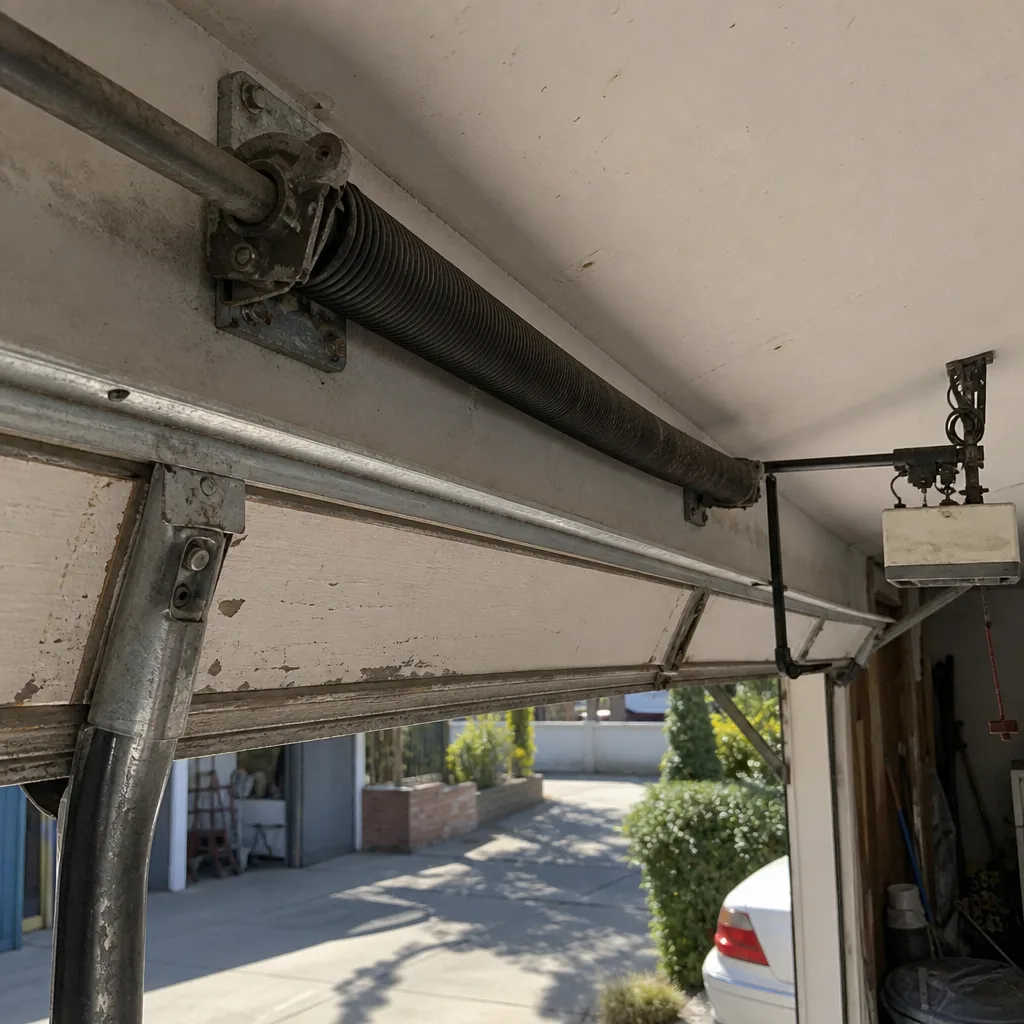 Before
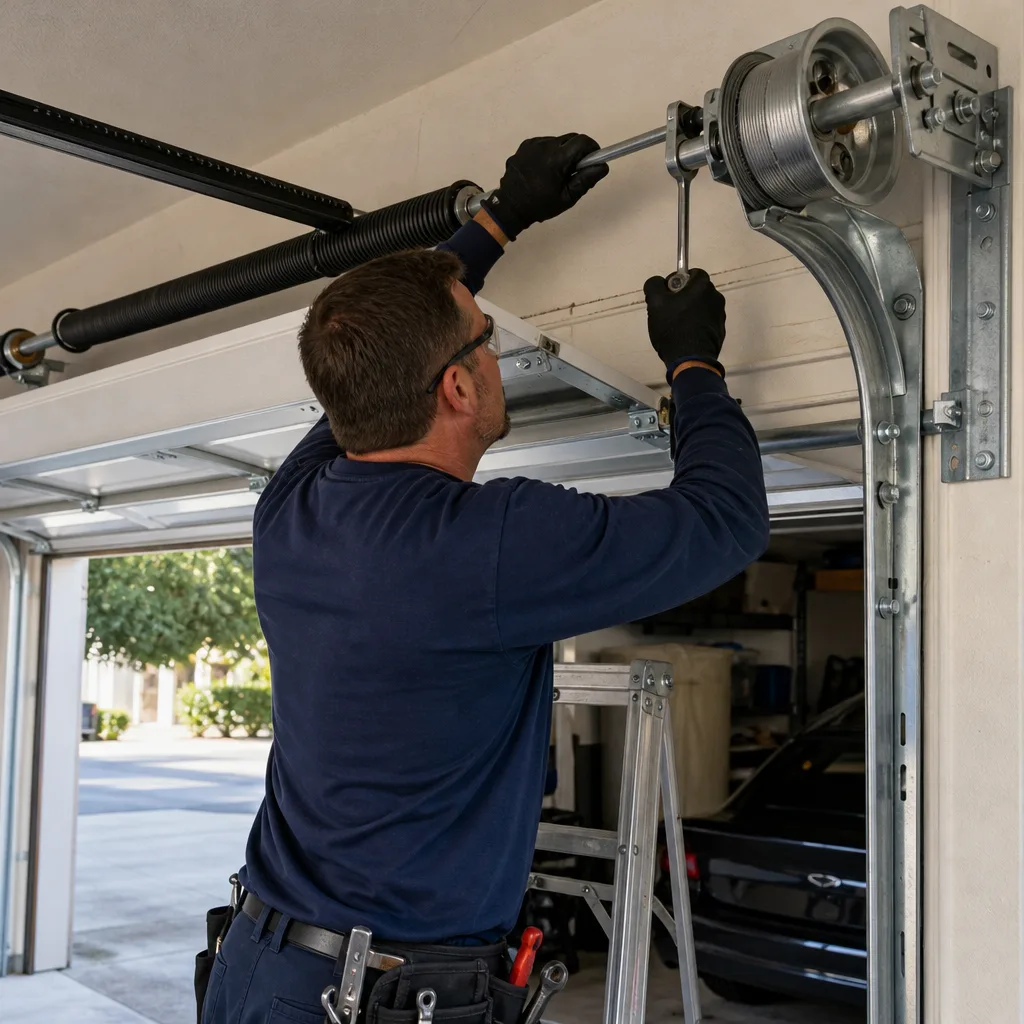 After
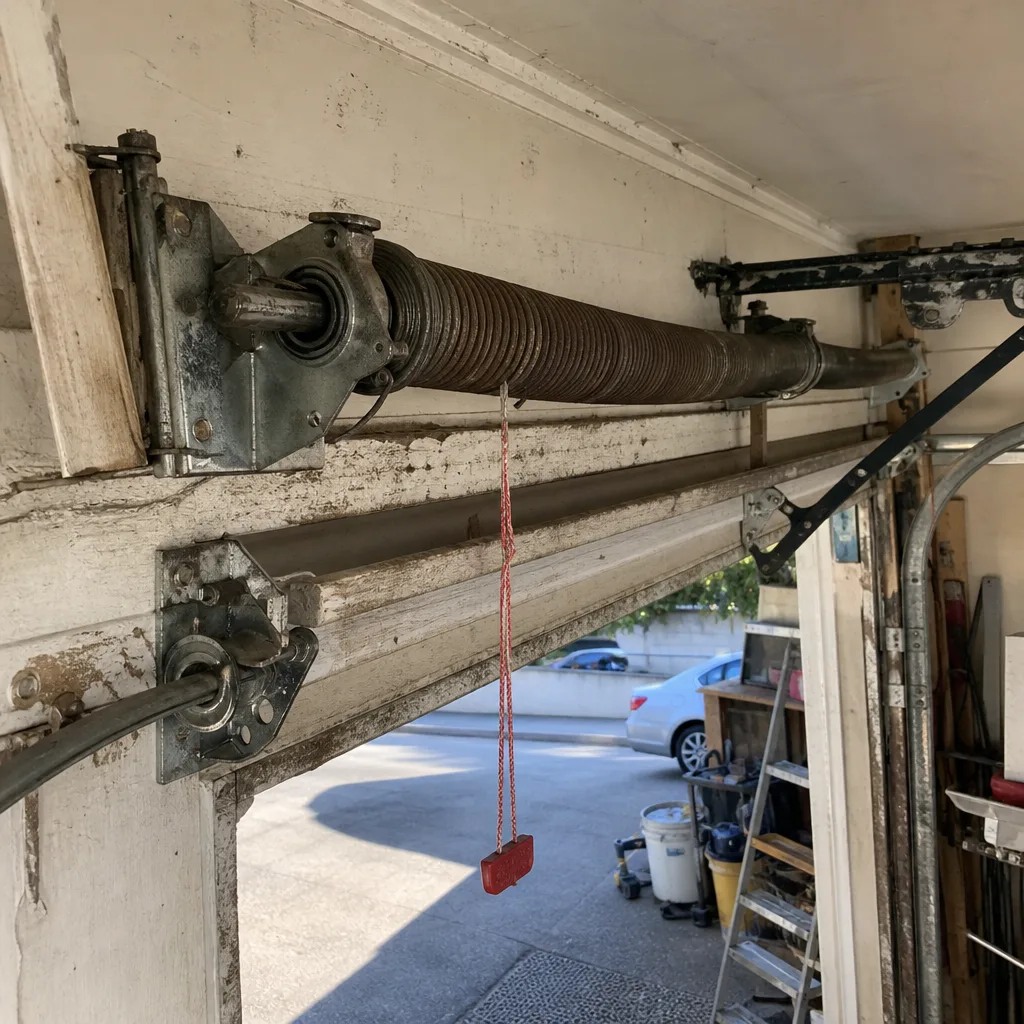 Before
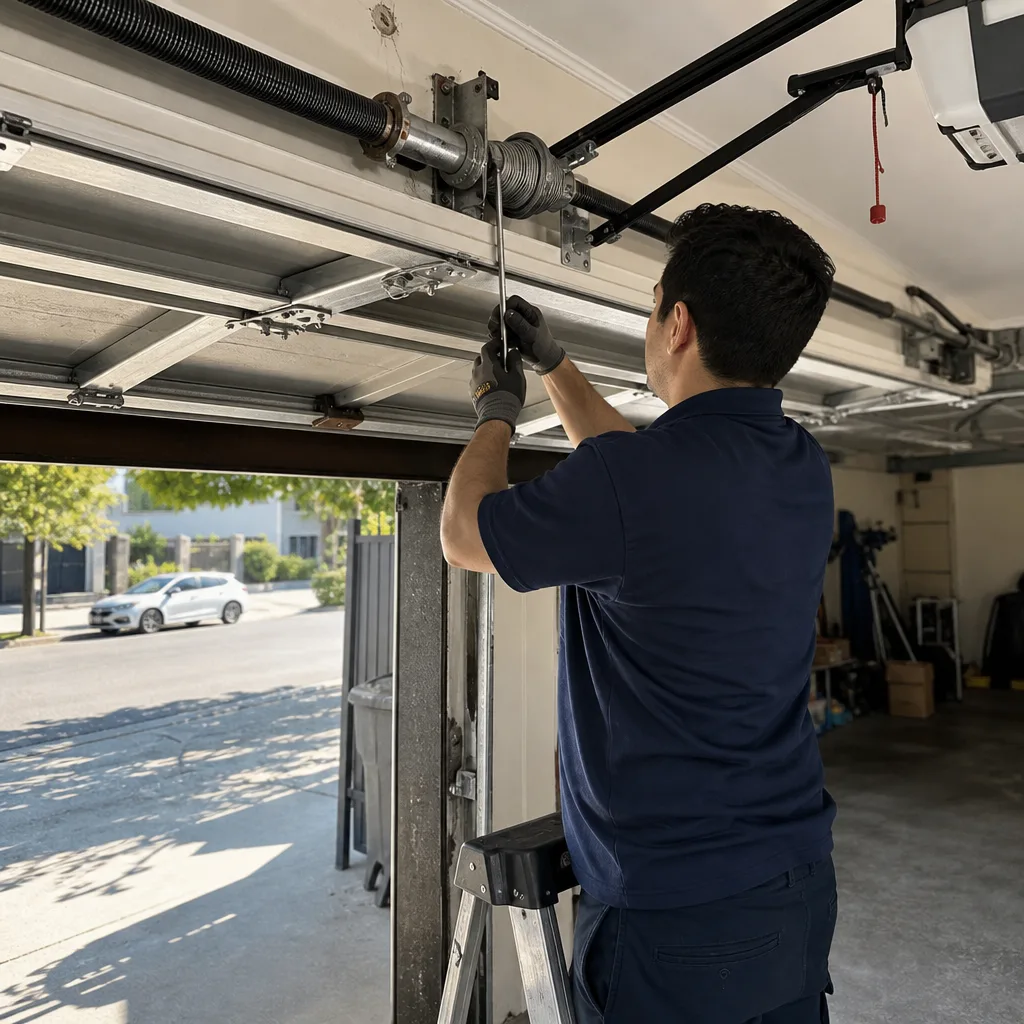 After
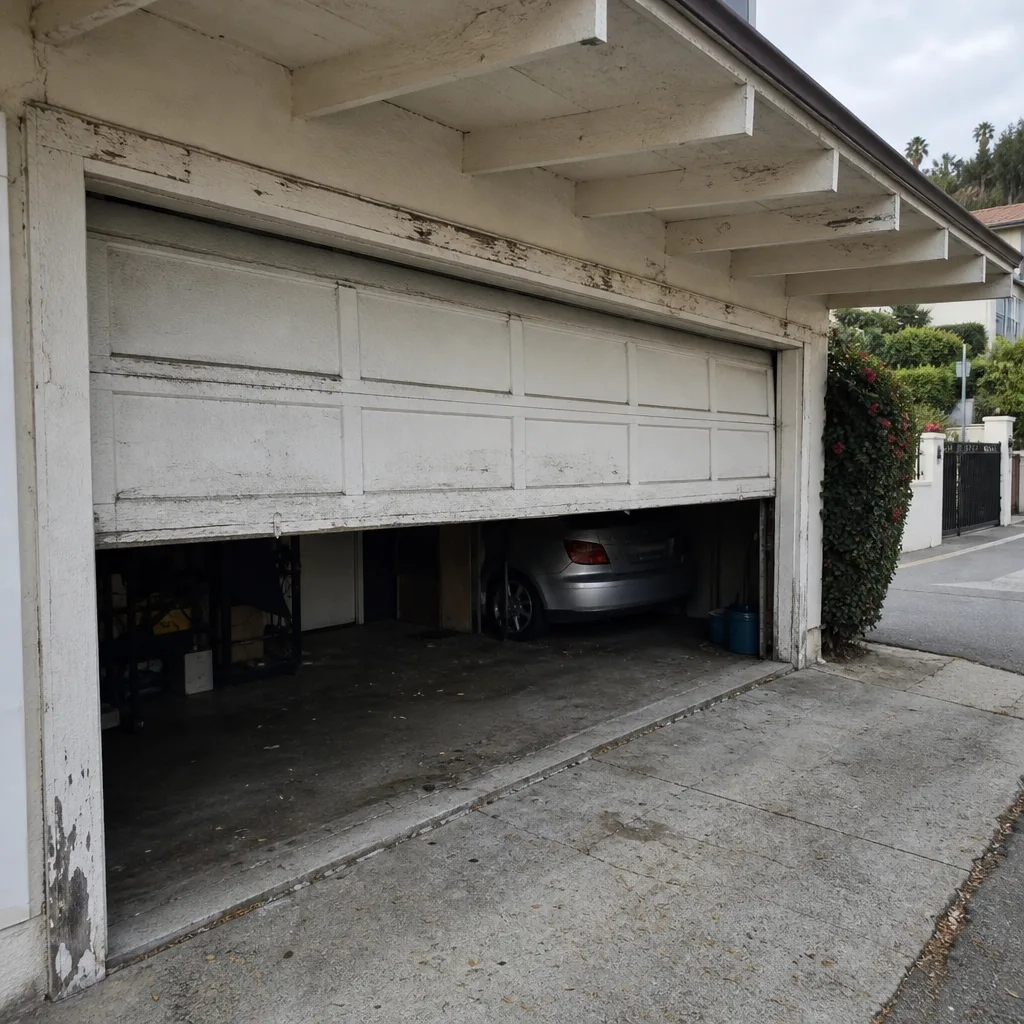 Before
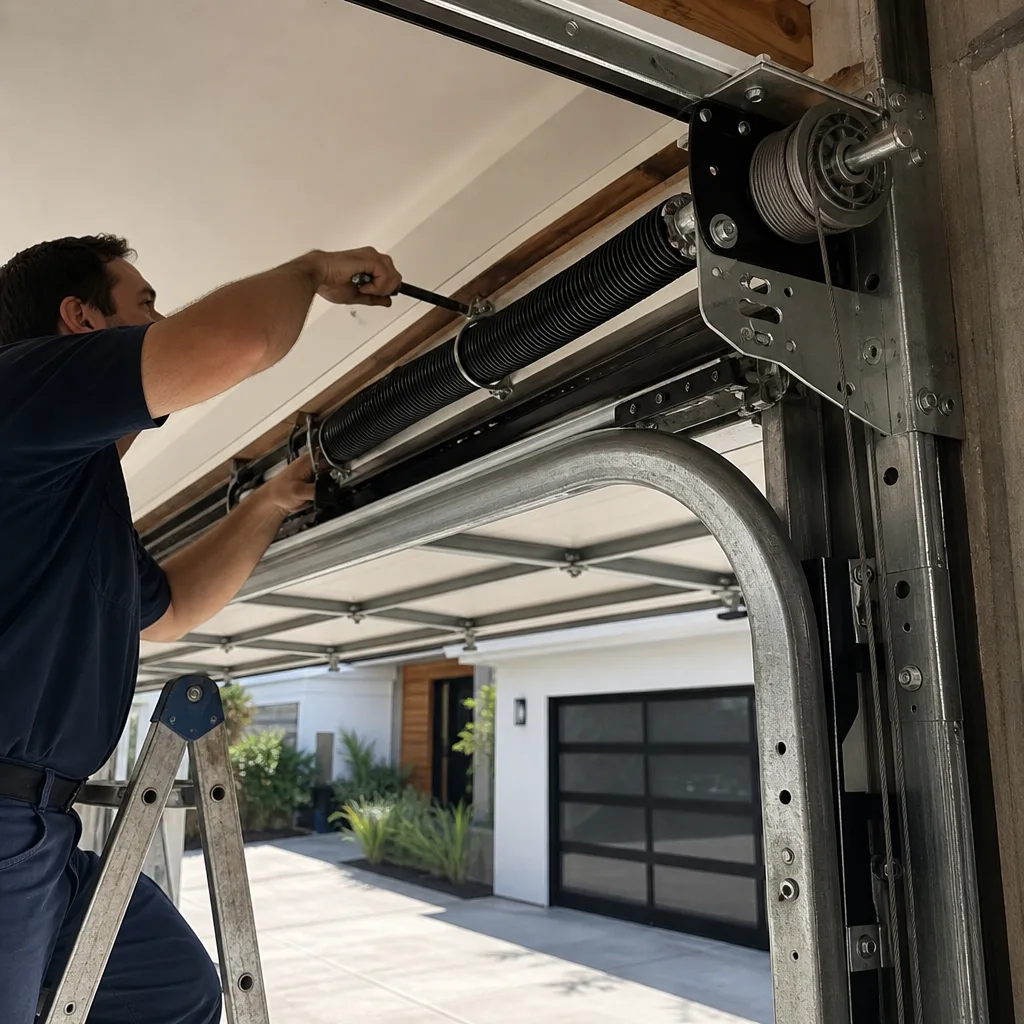 After