Last updated October 31, 2026
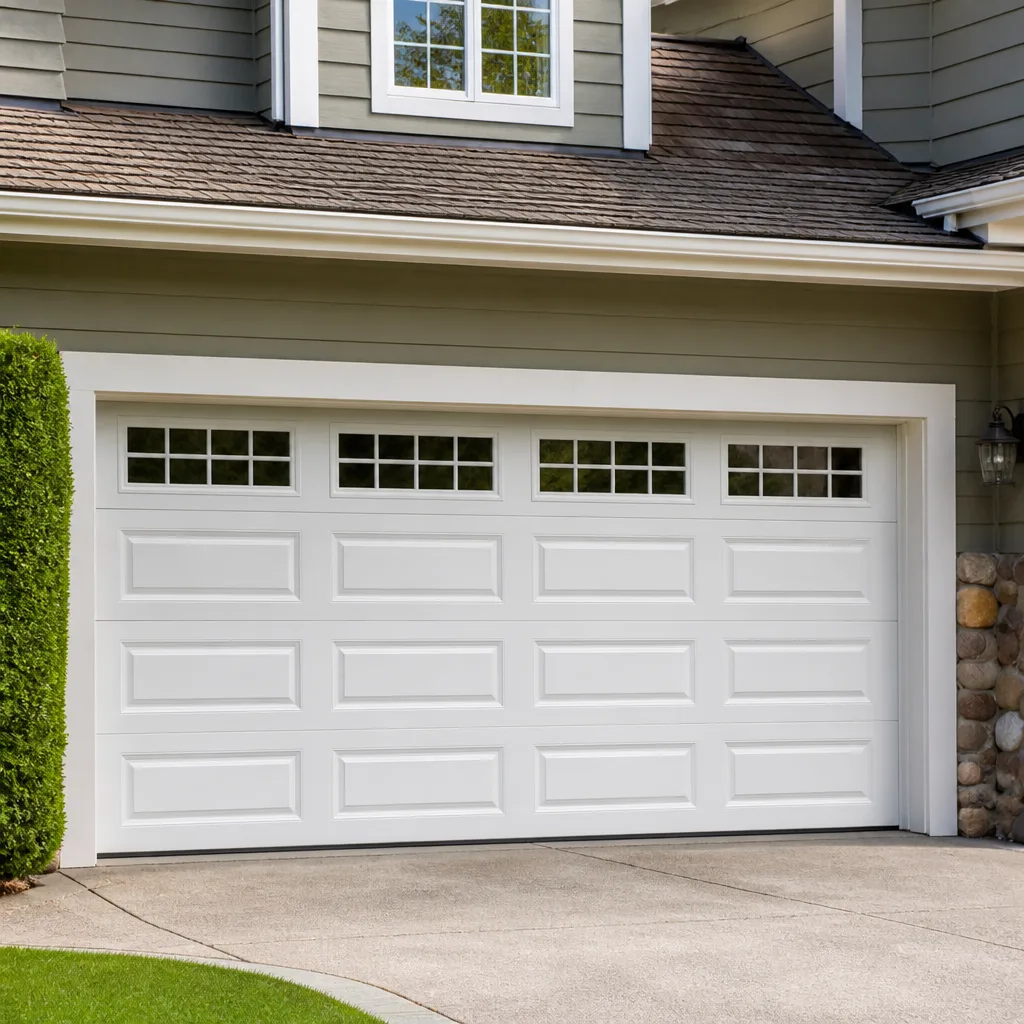 Raised-panel steel
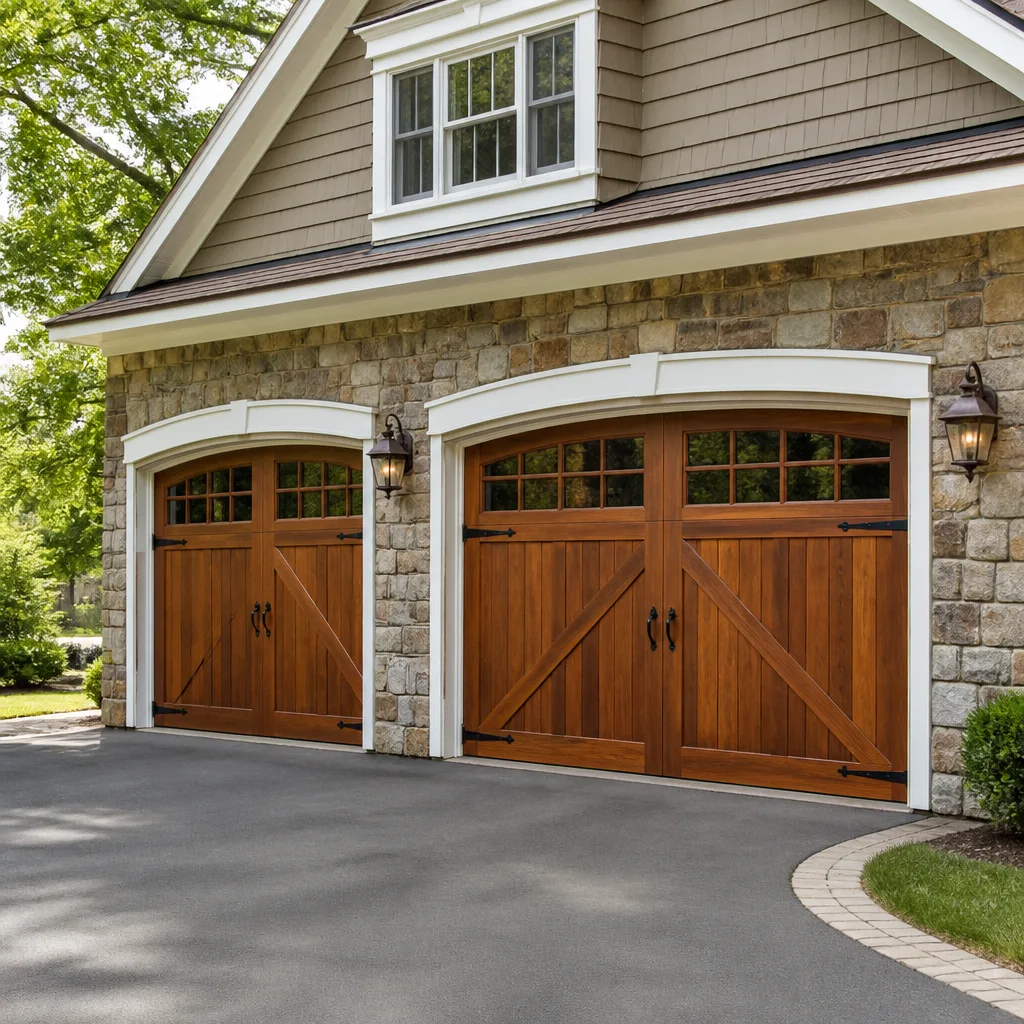 Carriage house
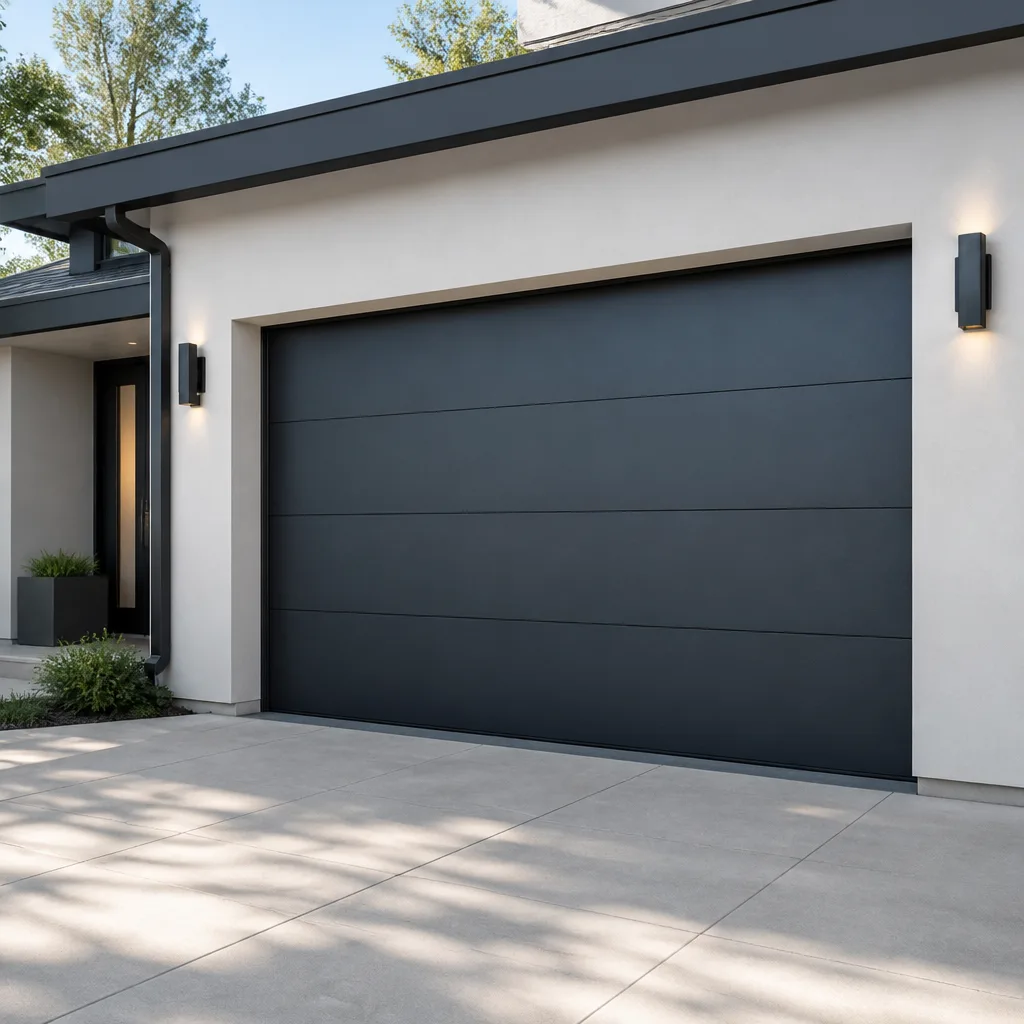 Modern flush
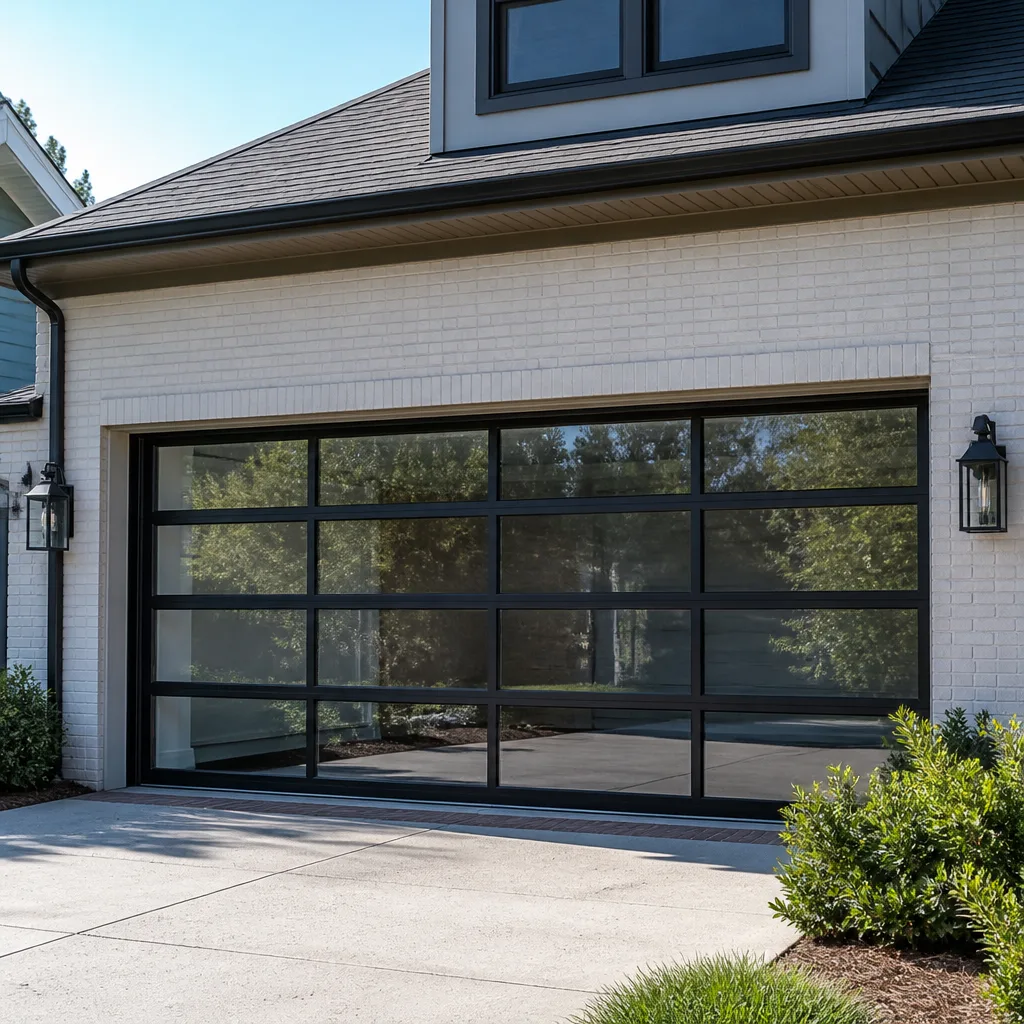 Full-view glass
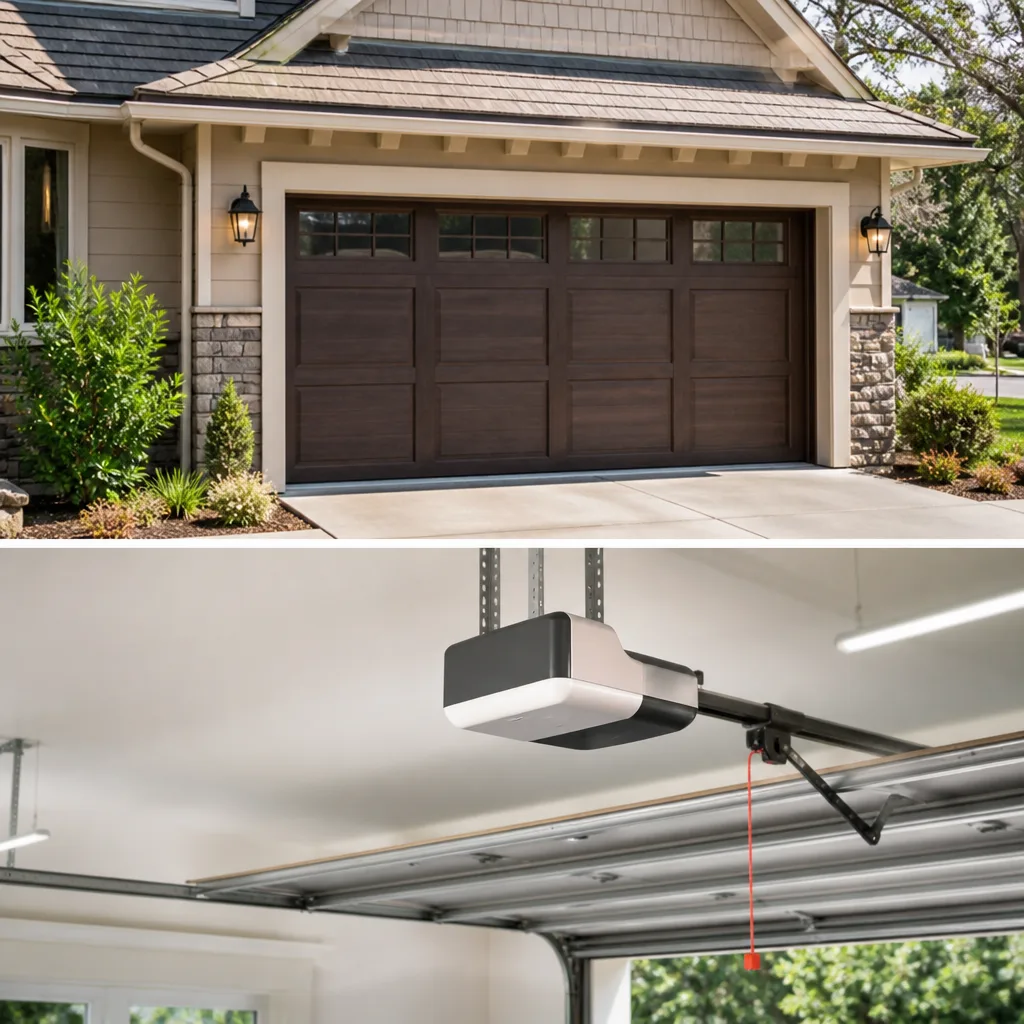 LiftMaster openers
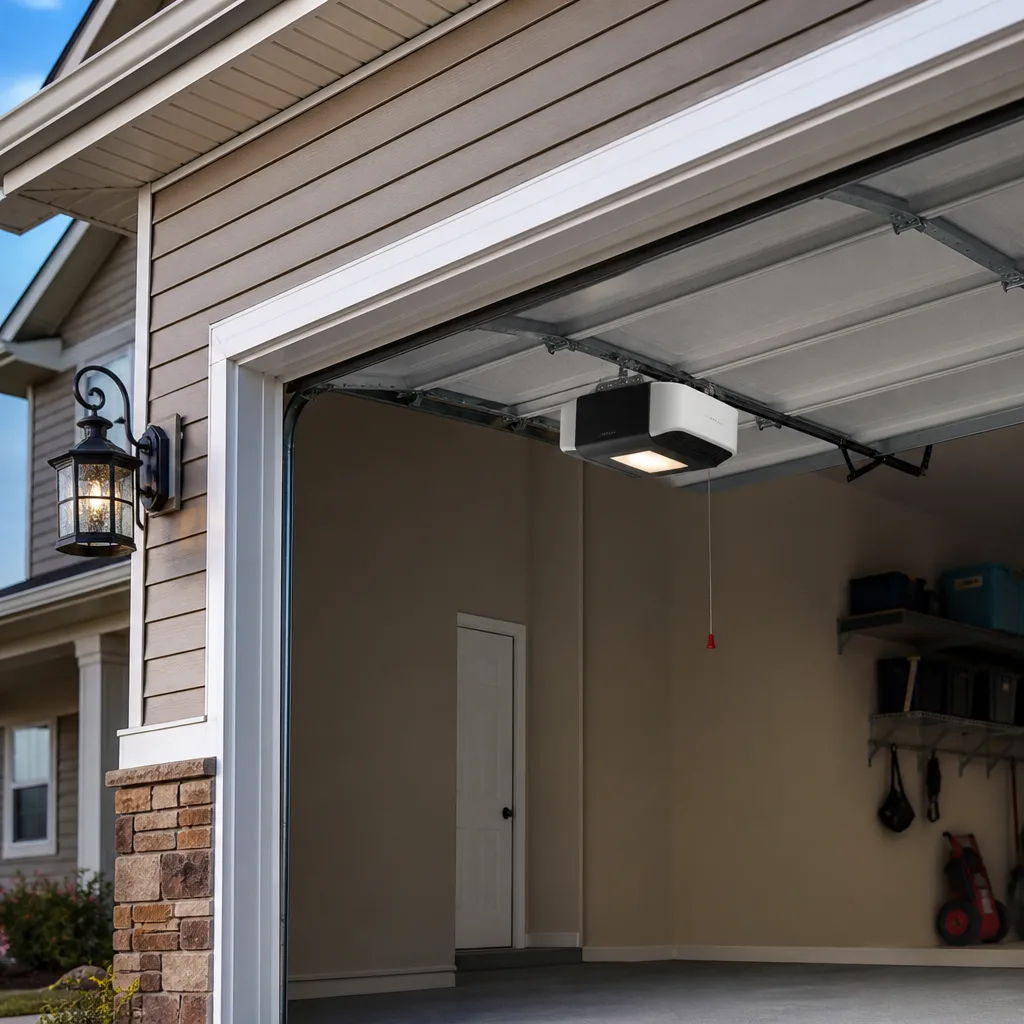 Chamberlain openers
Full 25-point door and opener safety check with every visit - springs, cables, rollers, tracks, and your LiftMaster or Chamberlain opener included
You get a price before we start. It does not change when the truck arrives.
Get your free estimateGarage Door Permits, Codes & Inspections in CA: What You Need to Know
A garage door replacement in California can legally be done without a permit in some jurisdictions, but if you install a non-compliant opener motor under Title 24’s residential energy standards, you’re on the hook for a correction even if the inspector never shows up. That’s the strange split most homeowners discover too late. You can swap a door in West Hollywood with nothing more than a contractor’s invoice, yet the opener you plug into the ceiling must meet state energy code to the letter. This guide maps out the three layers that govern garage door work in California: state energy code, local municipal permitting, and HOA rules. By the end, you’ll know exactly when a permit is required, when one is being pulled unnecessarily, and what an inspector actually checks when they show up.
Styles & brands we work with
Quick Answer
Whether you need a permit for garage door work in California depends on what you’re doing. Like-for-like door replacement typically requires no permit in most cities, including West Hollywood. New openings, structural header changes, or electrical work on a new opener circuit almost always do. Separately, Title 24 energy code applies to any new garage door installed in climate zone 9 (which covers most of greater LA), requiring specific insulation values regardless of whether a permit is pulled. For a deeper look at what to watch for, see our Garage Door Warning Signs: A West Hollywood Homeowner’s Reference Guide.
Table of Contents
- The Three Code Layers: State, City, and HOA
- Title 24 and Your Garage Door: What Climate Zone 9 Actually Requires
- Which Projects Trigger a Permit in California
- West Hollywood vs. LA County: How the Permitting Process Differs
- What Happens During a Garage Door Inspection
- The Real Cost of Unpermitted Work: Insurance, Sales, and Liability
- Common Mistakes to Avoid
- When to Call a Professional
- Frequently Asked Questions
- The Bottom Line
The Three Code Layers: State, City, and HOA
California garage door work sits at the intersection of three distinct rulebooks, and each one answers a different question. The state answers the energy question: how much heat can your door lose? The city answers the structural question: does this change affect how your building performs in an earthquake? The HOA answers the aesthetic question: does this door match the neighborhood’s look? Most homeowners conflate all three into a single “do I need permission?” question, which is why so many projects go sideways mid-installation.
The state layer is Title 24, Part 6 of the California Code of Regulations. It’s not a permit. It’s a performance standard that applies whether or not anyone files paperwork. When our team services doors across West Hollywood and greater LA, we see the confusion firsthand: a homeowner gets a door installed without a permit, assumes they’re done, and then discovers during a later remodel or sale that the door’s R-value doesn’t meet the zone’s minimum. The state doesn’t care that you didn’t know. The correction is the same.
The city layer is the California Building Code (CBC), adopted locally with amendments. Each municipality decides which projects require over-the-counter permits, which require plan checks, and which are exempt. West Hollywood has its own permit portal and its own fee schedule, separate from LA County’s system. We’ll get into the specifics of that split later in this guide.
The HOA layer is the wildcard. If you live in a condo complex, townhouse community, or gated development in the West Hollywood area, your CC&Rs likely govern exterior changes including garage doors. Some HOAs in the older hillside communities near Sunset Strip require board approval before any door replacement, even a like-for-like swap. Others only care about color and panel style. The HOA cannot override state energy code, but it can absolutely delay your project and impose its own fines.
Key distinction: a city permit and an HOA approval are unrelated. You can have one without the other. A contractor who tells you “the city signed off so you’re good” hasn’t read your CC&Rs.
Title 24 and Your Garage Door: What Climate Zone 9 Actually Requires
Title 24, Part 6 divides California into 16 climate zones. Most of greater Los Angeles, including West Hollywood, sits in climate zone 9. This matters because zone 9 has specific insulation requirements for residential garage doors that differ from, say, San Francisco (zone 3) or Sacramento (zone 12). If you’re buying a door online and having it shipped, the manufacturer doesn’t know where it’s going. You need to check the door’s U-factor against your zone before you pay.
For attached garages in climate zone 9, a new sectional garage door must have a maximum U-factor of 0.35. That translates to an R-value of roughly R-2.86 at the panel level. Most modern polyurethane-insulated steel doors from manufacturers like Clopay or Amarr easily exceed this, typically landing between R-9 and R-18. The problem is older, non-insulated doors or cheap aluminum-frame doors still sold through some discount channels.
A detached garage in zone 9 follows the same requirement if the garage is conditioned space (heated or cooled). If it’s unconditioned and detached, the door is technically exempt from Title 24’s door-specific insulation rules. But here’s the catch that trips people up: the moment you add a garage door opener, you’re not changing the door’s status. The opener’s standby power draw falls under Title 24’s appliance standards, not the building envelope rules.
What does the opener requirement actually look like? Since 2019, any newly installed residential garage door opener in California must have standby power consumption of no more than 5 watts. Most current models from LiftMaster, Chamberlain, and Genie meet this without issue. The problem arises with older stock, some imported units, and certain high-torque commercial-grade openers being repurposed for residential use. If an inspector does show up, this is one of the first things they check on the opener’s nameplate.
Here’s the practical takeaway. If you’re replacing a door in West Hollywood, buy an insulated door regardless of whether your garage is attached or detached. You’ll meet Title 24 in every scenario, and you’ll notice the difference: an insulated door keeps the garage 10 to 20 degrees cooler in August, which matters when your water heater and extra fridge are out there.
What Title 24 Does NOT Cover
- Door color, panel style, or window pattern. That’s HOA territory.
- Spring tension, cable routing, or track alignment. That’s manufacturer spec, enforced during inspection only if a permit was pulled.
- Opener motor horsepower. A 3/4 HP motor and a 1/2 HP motor can both meet the standby power draw requirement.
- Whether you hire a licensed contractor. Title 24 governs the product, not the installer.
Which Projects Trigger a Permit in California
Here’s the rule of thumb we use when we get asked this question on service calls in West Hollywood: if the opening isn’t changing size and no new electrical circuit is being added, you probably don’t need a permit. If either of those things is happening, you do. That’s the 80% answer. The remaining 20% comes down to your specific city’s amendments.
No Permit Typically Required
- Replacing an existing garage door with a same-size door in the same opening. This is considered a like-for-like replacement under most California municipal codes.
- Replacing springs, cables, rollers, hinges, or tracks without altering the opening.
- Swapping a garage door opener for a new unit using the existing outlet and wiring. No new circuit, no permit.
- Panel replacement on an existing door where the door’s overall dimensions don’t change.
Permit Typically Required
- Cutting a new garage door opening in an existing wall. This is a structural change requiring engineering sign-off.
- Widening or heightening an existing opening to fit a larger door. The header is load-bearing; a city plan checker needs to verify the new beam sizing.
- Converting a carport into an enclosed garage. New walls, new door, new electrical: full plan check.
- Adding a dedicated 120V circuit for a new opener where none exists. This is electrical work under the California Electrical Code and requires a separate electrical permit.
- Installing a door on a garage that’s part of a new ADU or addition. The whole project is permitted, so the door is folded into the broader scope.
The “like-for-like” exemption is where most confusion lives. Replacing a 16×7 non-insulated steel door with a 16×7 insulated steel door from Raynor or Wayne Dalton is like-for-like in the city’s eyes: the opening footprint didn’t change, so the structural analysis doesn’t change. But if you decide to go from a 16×7 to an 18×8 because you bought a bigger truck, that’s a new opening, a new header, and a permit. In our experience serving West Hollywood homes, the 18-foot-wide door is the most common driver of unplanned permit work. People buy the truck first, then realize the door has to grow.
One more nuance: some California cities, including a few in LA County, have adopted a “re-roofing rule” that extends to garage doors. Under this rule, any repair or replacement affecting more than 50% of a building component within a 12-month period triggers a permit. We don’t see this applied to garage doors often, but it exists. If you’ve already replaced three of four panels due to damage and now you want a full door replacement, check your city’s threshold.
West Hollywood vs. LA County: How the Permitting Process Differs
West Hollywood is its own incorporated city with its own Building and Safety division. It does not use LA County’s permit system, and the documentation requirements differ in ways that matter if you’re planning a project. If you live within West Hollywood city limits near Santa Monica Boulevard or in the Norma Triangle, you’re dealing with the City of West Hollywood, not the County.
City of West Hollywood Process
- Determine if your project is over-the-counter or plan-check. Like-for-like door replacement with no structural changes falls into the “No Permit Required” or “Express Permit” category, depending on the scope. A new opening or header modification goes to plan check.
- Fill out the permit application through the city’s online portal. West Hollywood uses an electronic submittal system. You’ll need your property’s APN, a description of the work, and the door manufacturer’s spec sheet if insulation values are being verified.
- Pay the permit fee. Fees are based on the project valuation. A structural change requiring plan check will cost more than an express permit. You’ll need the latest fee schedule from the city; these change annually.
- Schedule the inspection. West Hollywood inspectors typically require 48 to 72 hours’ notice for a rough or final inspection, depending on current volume.
LA County Process (Unincorporated Areas)
- Check if your property is in an unincorporated area. Many addresses with a “Los Angeles” mailing address are actually unincorporated LA County, which uses the County’s Department of Building and Safety.
- Use the County’s online EPIC-LA system. This is a different portal from West Hollywood’s. If you’ve done work under one system, don’t assume the other works the same way.
- County inspections are handled by district offices. The inspector assigned to your project comes from the district office covering your specific unincorporated community.
The practical difference for homeowners: West Hollywood tends to be faster on express permits but stricter on plan-check documentation for structural work. LA County has more district office variability. We’ve seen identical garage door header projects take three weeks in one jurisdiction and eight weeks in another. If you’re planning a project in the West Hollywood area, call the city’s Building and Safety line first and describe the scope. They’ll tell you over the phone whether you’re looking at a permit, an express permit, or no permit at all.
Whatever you do, don’t rely on a contractor to “handle the paperwork” without confirming what was actually filed. A permit is your document. It should have your address on it, the scope of work, and the fee you paid.
What Happens During a Garage Door Inspection
If your project does require a permit, you’ll have at least one inspection. For a structural change like a new opening, you’ll likely have two: rough (before drywall or finish work covers the header) and final (after the door is installed). Here’s what the inspector actually checks, and what they legally cannot ask you to change.
What the Inspector Checks
- Header size and bearing. The inspector verifies that the installed beam matches the approved plan. If the plan called for a 4×12 glu-lam and you installed a 4×10, you’re failing.
- Door attachment to the structure. Track brackets, mounting points, and the connection between the door frame and the wall assembly.
- Opener electrical connection. If the permit includes electrical work, the inspector verifies the outlet, wiring gauge, and circuit breaker sizing.
- Title 24 compliance. The door’s U-factor and the opener’s standby power draw are confirmed against the manufacturer’s documentation.
- Safety reverse systems. Since 1993, federal law requires all residential garage door openers to have an auto-reverse mechanism and photoelectric sensors. The inspector will check that the opener reverses when it hits a 2×4 laid flat on the ground, and that the sensors are mounted no higher than 6 inches off the floor.
What the Inspector Cannot Require
- Forced brand changes. An inspector cannot require you to install a specific manufacturer’s door or opener. If your existing Raynor door is grandfathered and functional, they can’t make you swap it for a different brand.
- Cosmetic upgrades. Paint color, panel design, and window style are not code issues.
- Retroactive compliance on untouched components. If you’re only replacing an opener and the inspector notices your door spring is old, they can note it, but they cannot fail the inspection for it unless it’s an immediate safety hazard.
- HOA compliance. The city inspector has no jurisdiction over your CC&Rs.
One thing inspectors in West Hollywood and LA County are increasingly checking: the placement of the opener’s emergency release cord. It must be reachable without a ladder and clearly visible. It’s a small thing, but it’s an automatic correction if it’s missing or attached wrong. This is part of the California residential code’s adoption of UL 325 safety standards.
The Real Cost of Unpermitted Work: Insurance, Sales, and Liability
Here’s the scenario we hear about most often in West Hollywood, usually from homeowners who are selling or refinancing. They did unpermitted garage door work five or ten years ago. A new door, maybe widened opening. The work was done well. It passed no inspection because no inspection was ever scheduled. Now the escrow process has flagged it.
In California, residential property sellers must complete a Transfer Disclosure Statement (TDS) and a Seller Property Questionnaire. Both forms ask specifically about permits and unpermitted work. If you fail to disclose, and the buyer later discovers the unpermitted work, you can be sued for fraudulent concealment. That’s a civil liability with no cap. A garage door header that fails, even years later, traces directly back to the non-permitted structural change. The disclosure form is where that trail starts.
Insurance companies in California have become more aggressive about denials tied to unpermitted work. The pattern: a homeowner files a claim for garage damage, the adjuster reviews the permit history, finds unpermitted structural changes, and denies the claim on the grounds that the risk was misrepresented. We’re not saying every carrier does this. We are saying we’ve seen enough denial letters to know it’s a real thing. An unpermitted garage door header modification is exactly the kind of “material change” language adjusters look for.
The correction path is also more expensive than the original permit would have been. To legalize unpermitted work, you file for a permit after the fact, pay the standard fee plus a penalty multiplier (often 2x to 4x the base fee in California jurisdictions), and then open the wall so an inspector can see the header. In a stucco home, that’s a $1,500 to $3,000 repair just to expose what the inspector needs to see. Compare that to the cost of pulling the permit upfront: a few hundred dollars and some patience.
There’s also an angle most guides miss: unpermitted opener work on a circuit that was already undersized. If you add an opener to a garage circuit that’s already running a freezer and a washer, and that circuit is old knob-and-tube or ungrounded, you’ve created a fire hazard that no inspector caught because no inspector came. Your insurance company will absolutely connect those dots if there’s a fire.
This is one reason we always recommend pulling a permit when the scope calls for one. It’s not just about following rules. It’s about having a paper trail that protects you in the transaction and the claim.
Common Mistakes to Avoid
- Assuming “replacement” means “no permit” without checking your city’s specific definition. Like-for-like is generally exempt, but some California cities define “like-for-like” narrowly. A door that’s the same width but 6 inches taller can trigger a structural review in stricter jurisdictions. Call your city first.
- Installing a non-insulated door in climate zone 9. You’re violating Title 24 even without a permit. The violation surfaces during resale or a subsequent permitted project. An R-9 insulated steel door from Clopay or Amarr costs maybe $150 to $300 more than a non-insulated panel. That’s the cheapest code compliance you’ll ever buy.
- Trusting a contractor who says they’ll “take care of the permit” without giving you a permit number. A real permit has a number. It’s searchable in the city’s online system. If your contractor can’t produce a number within a week of starting work, they didn’t pull one.
- Ignoring the HOA because the city said no permit was needed. These are separate layers. In condo-heavy parts of West Hollywood, HOA fines for an unapproved door color can run into the thousands. Read your CC&Rs before you pick a panel style.
- Upgrading your opener without checking the standby power draw. Older stock and some imported units exceed California’s 5-watt limit. The opener will work fine, but it’s non-compliant, and any future inspection will flag it.
- Skipping the final inspection because “the work looks done.” An unclosed permit is a lien on your property title in California. It shows up during escrow and can delay or kill a sale. Close it out.
When to Call a Professional
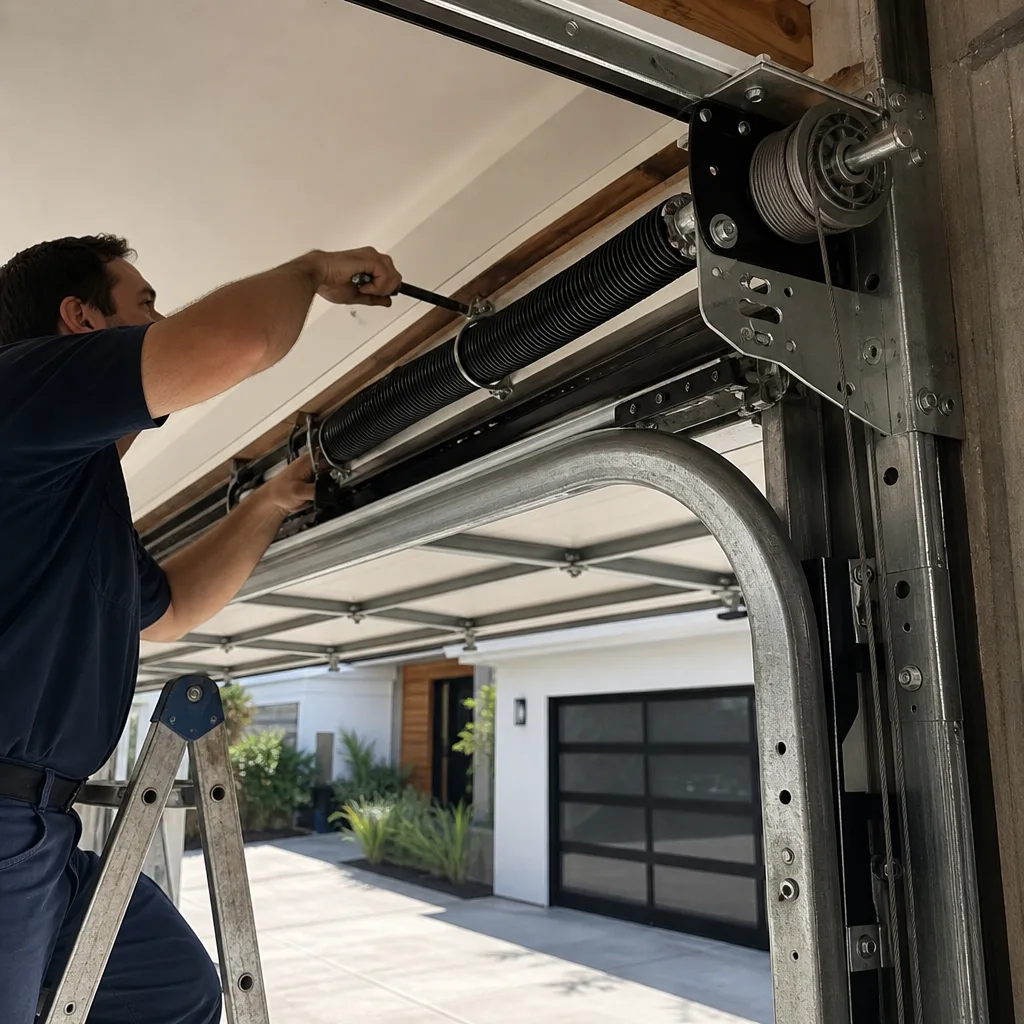
If your project involves a new opening, a header change, or electrical work, this isn’t a weekend job. The structural engineering alone, the beam sizing, the point loads on the side walls: these require a plan and a permit, and the contractor should be comfortable navigating both. If you’re doing a like-for-like replacement and want it done right without the permit process, the threshold is lower, but the work still isn’t trivial. Spring tension on a torsion system is dangerous enough to warrant a trained technician. Garage door openers with current smart-home integration, like the LiftMaster and Chamberlain lines, often need reprogramming that generic handyman instructions don’t cover. Golden Bear Garage Door Repair offers free estimates in West Hollywood. Call (833) 467-4118 and we’ll tell you straight whether your job needs a permit, an inspection, or just a good technician.
Frequently Asked Questions
In most California cities, including West Hollywood, replacing an existing garage door with a same-size door in the same opening does not require a permit. The work is considered like-for-like. A permit is required if you’re changing the opening size, modifying the header, or adding new electrical work for the opener.
In climate zone 9, which covers most of greater Los Angeles and West Hollywood, a new garage door on an attached garage must have a maximum U-factor of 0.35, which translates to roughly R-2.86 minimum. Most modern insulated doors from Clopay, Amarr, and Raynor exceed this easily, with typical R-values between R-9 and R-18.
No. A city inspector cannot force you to replace a functional opener on the basis of brand, age, or feature set. They can require correction if the opener lacks functioning safety reverse systems or photoelectric sensors, or if a newly installed opener exceeds the 5-watt standby power draw limit under Title 24.
Yes. California’s Transfer Disclosure Statement and Seller Property Questionnaire ask specifically about unpermitted work. Failing to disclose creates liability for fraudulent concealment. Additionally, unpermitted structural changes can complicate a buyer’s financing and trigger insurance underwriting questions.
Permit fees in West Hollywood vary based on project valuation and whether plan check is required. An express permit for minor work costs less than a full plan check with structural review. For an exact figure, call the City of West Hollywood Building and Safety division with your specific scope. Estimates are free, and the city will tell you upfront.
If you live in a community with CC&Rs governing exterior appearance, yes. Many condo and townhouse complexes in West Hollywood require HOA approval before any exterior change, including garage door replacement, even when the city doesn’t require a permit. Check your CC&Rs before you order a door.
The Bottom Line
California garage door code compliance comes down to three questions. Is the opening changing size? If yes, you need a permit. Is the door new and located in climate zone 9? If yes, it needs to meet Title 24 insulation standards. Is there an HOA? If yes, you need its approval regardless of what the city says. Most like-for-like replacements in West Hollywood need no permit, but every new door needs an insulated panel to stay code-compliant. For a step-by-step maintenance routine, check out our Garage Door Repair Maintenance Checklist for West Hollywood Homeowners. Pull the permit when the scope calls for it, close it out when the work is done, and keep the paperwork. Your future home sale will thank you.
Written by the team at Golden Bear Garage Door Repair, serving West Hollywood since 2016.
See the difference
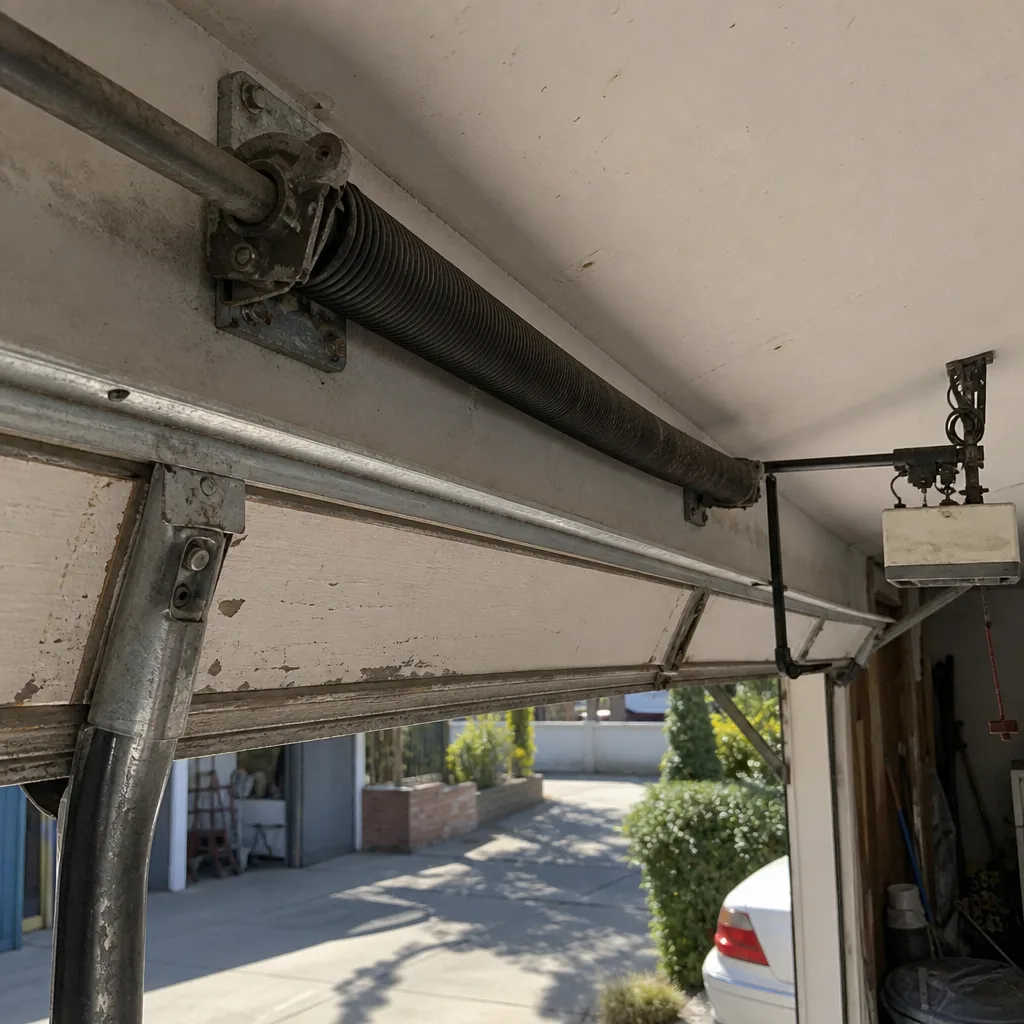 Before
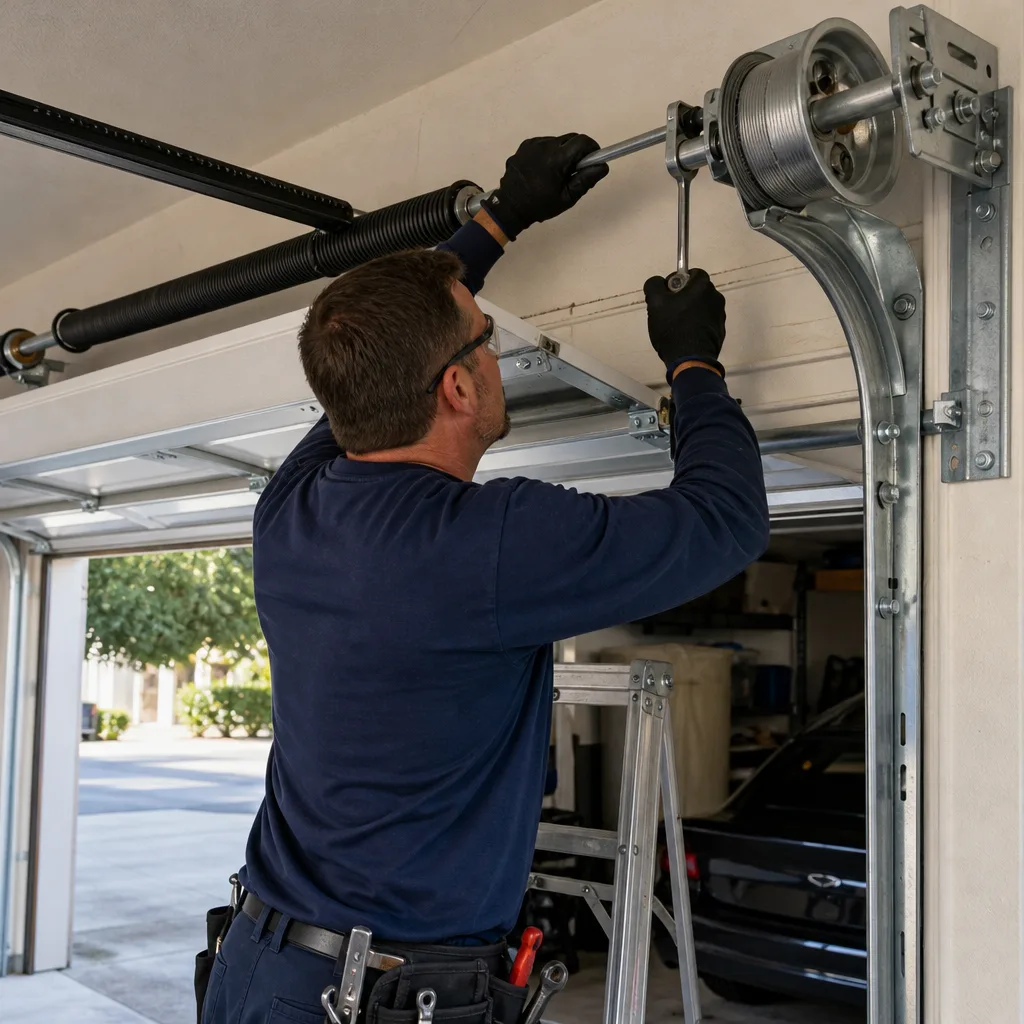 After
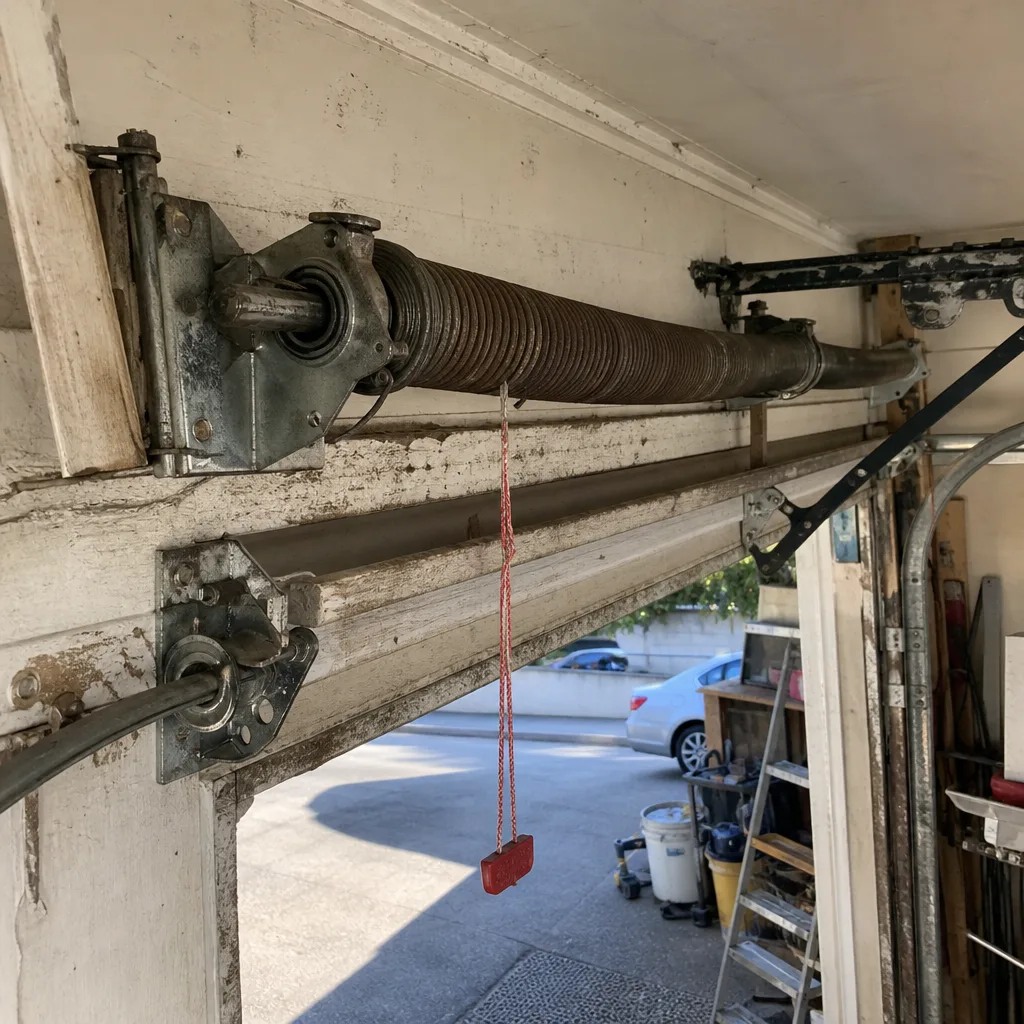 Before
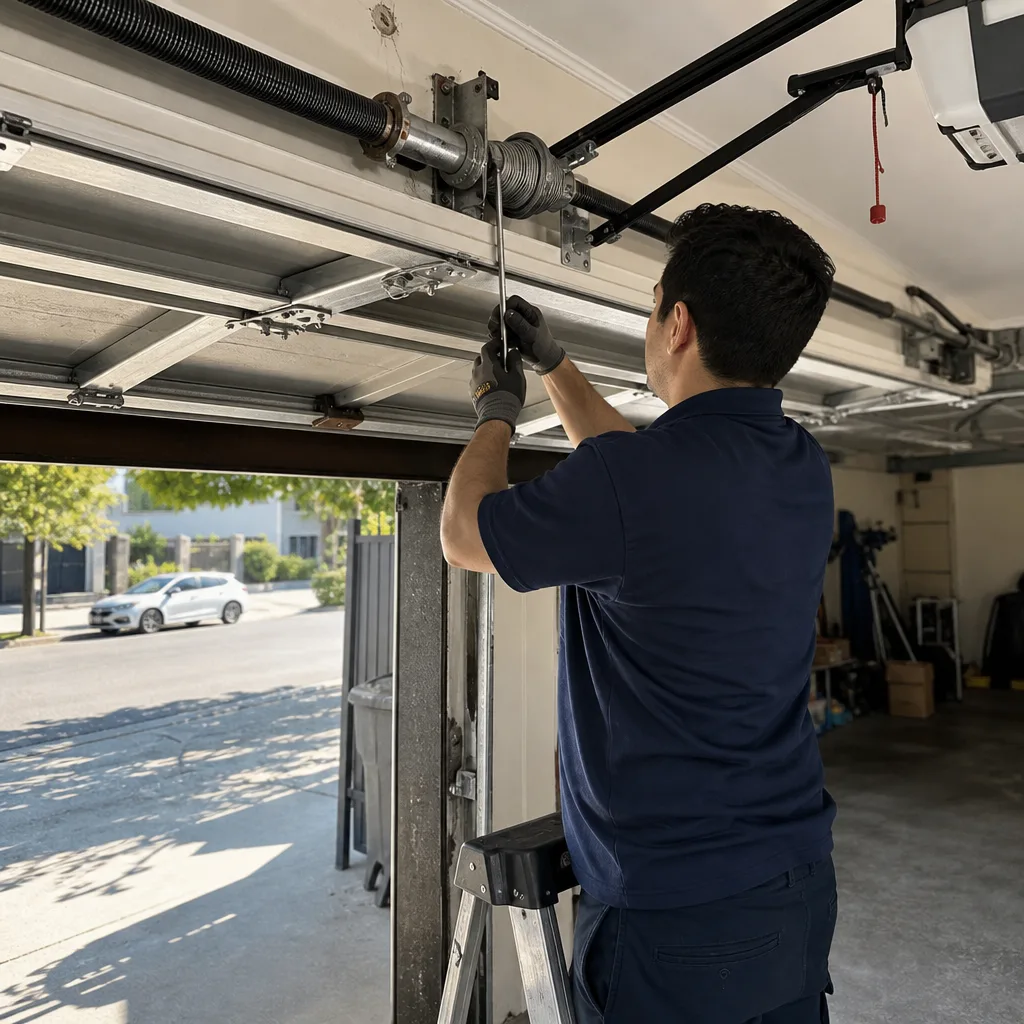 After
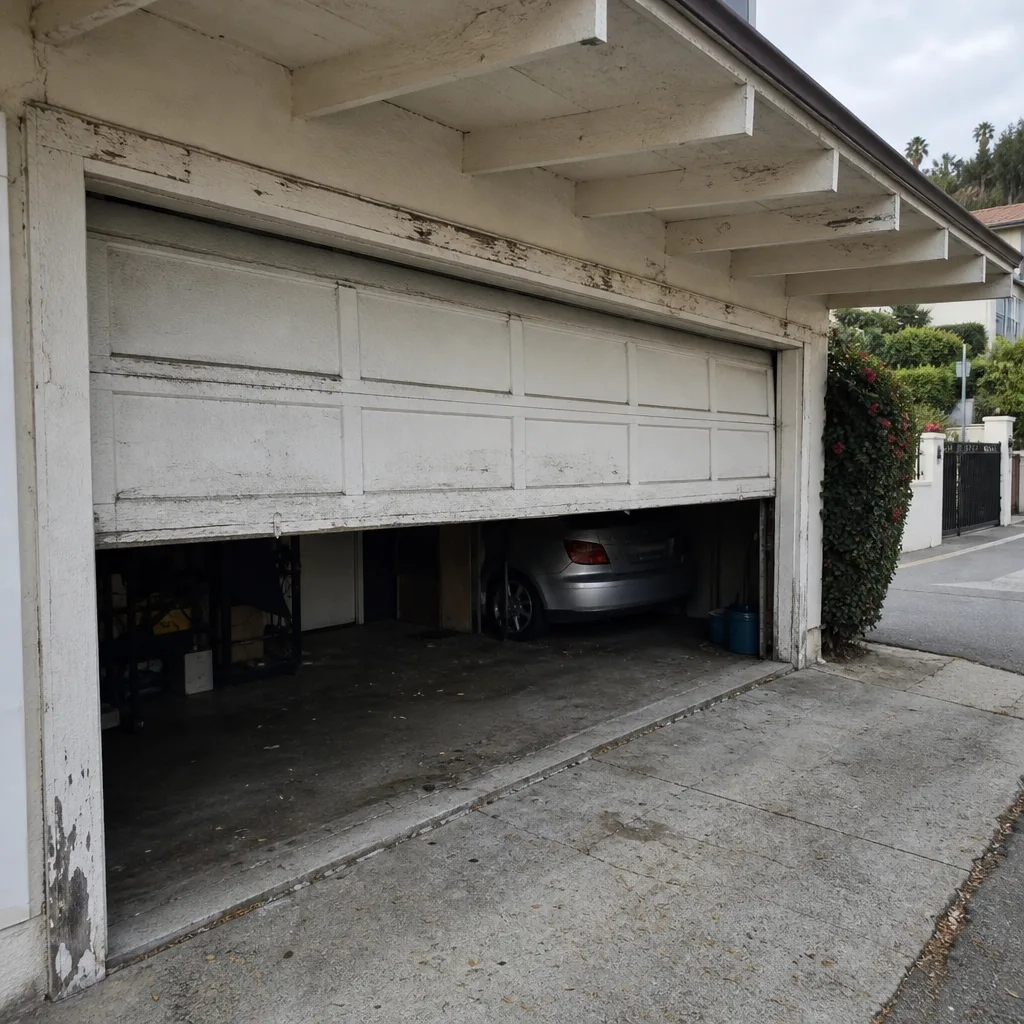 Before
 After