
Last updated October 31, 2026
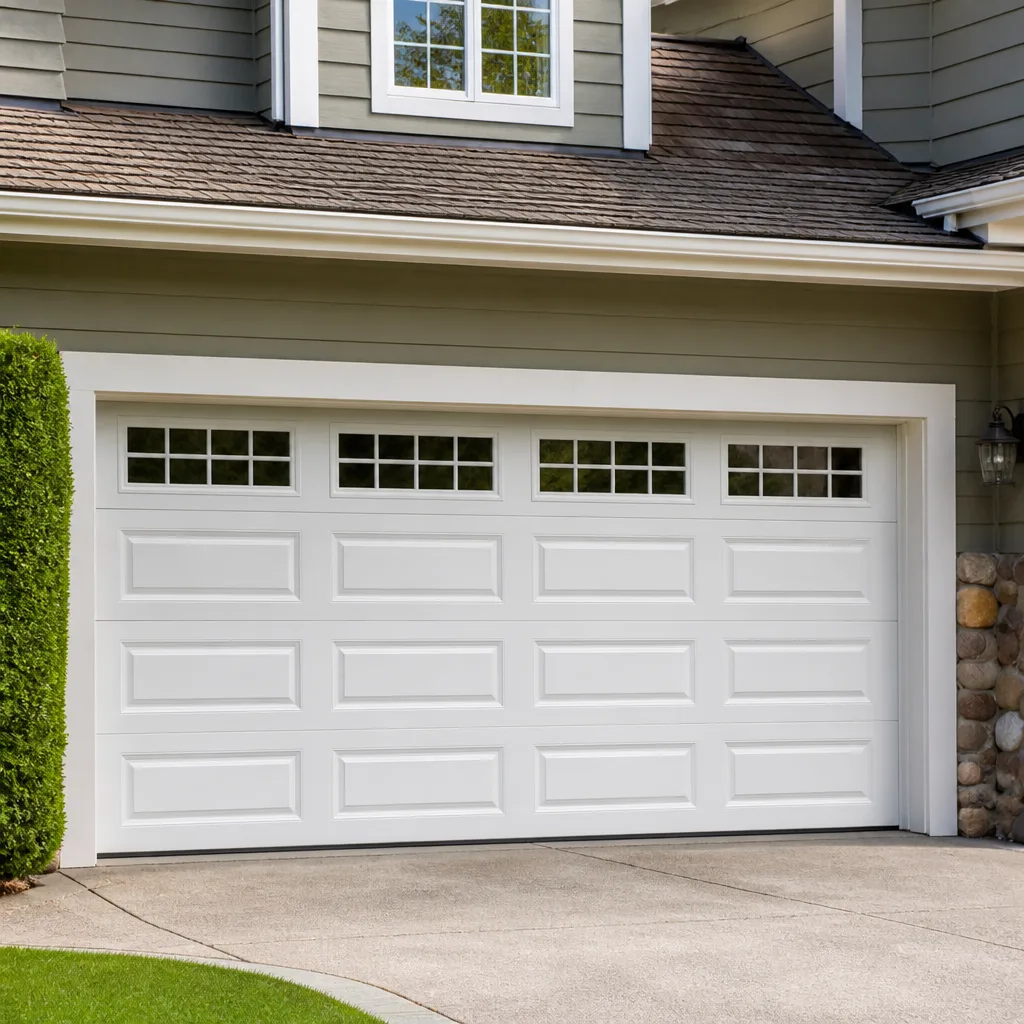 Raised-panel steel
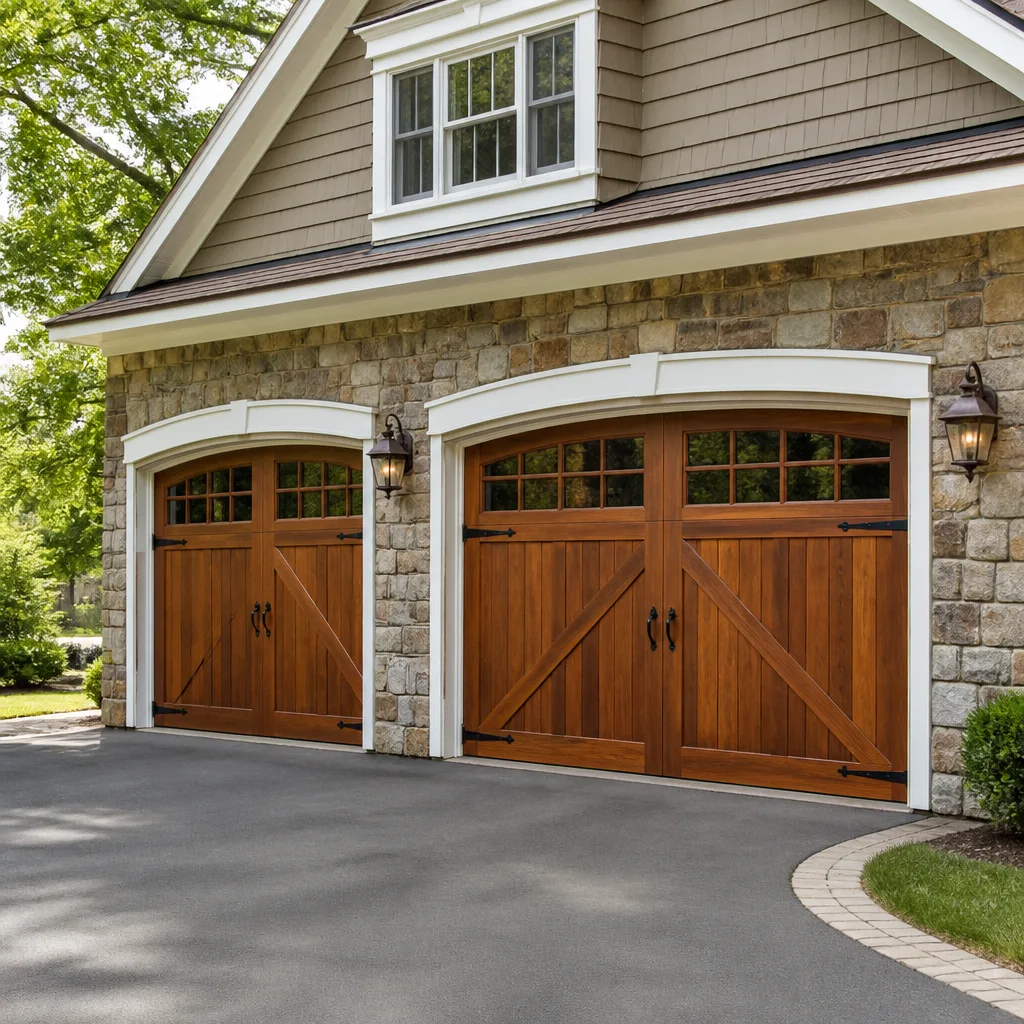 Carriage house
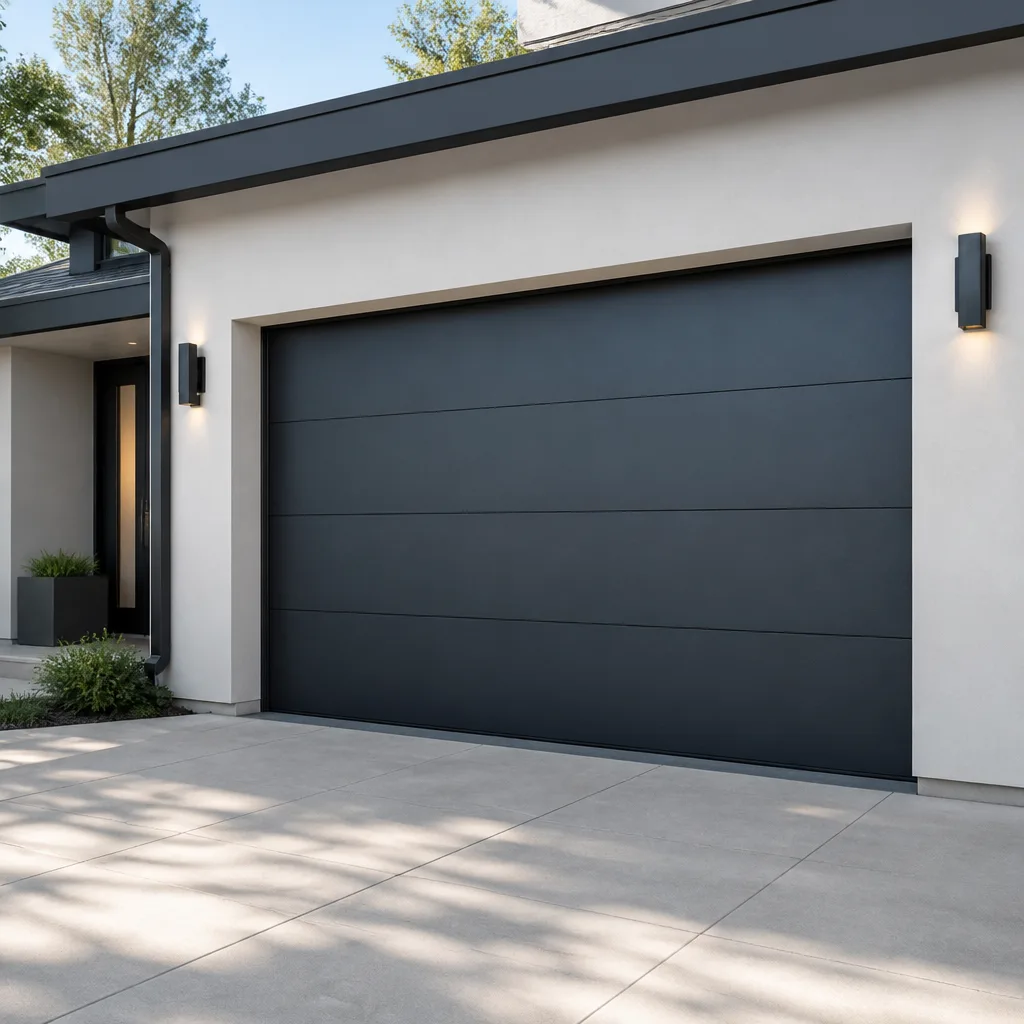 Modern flush
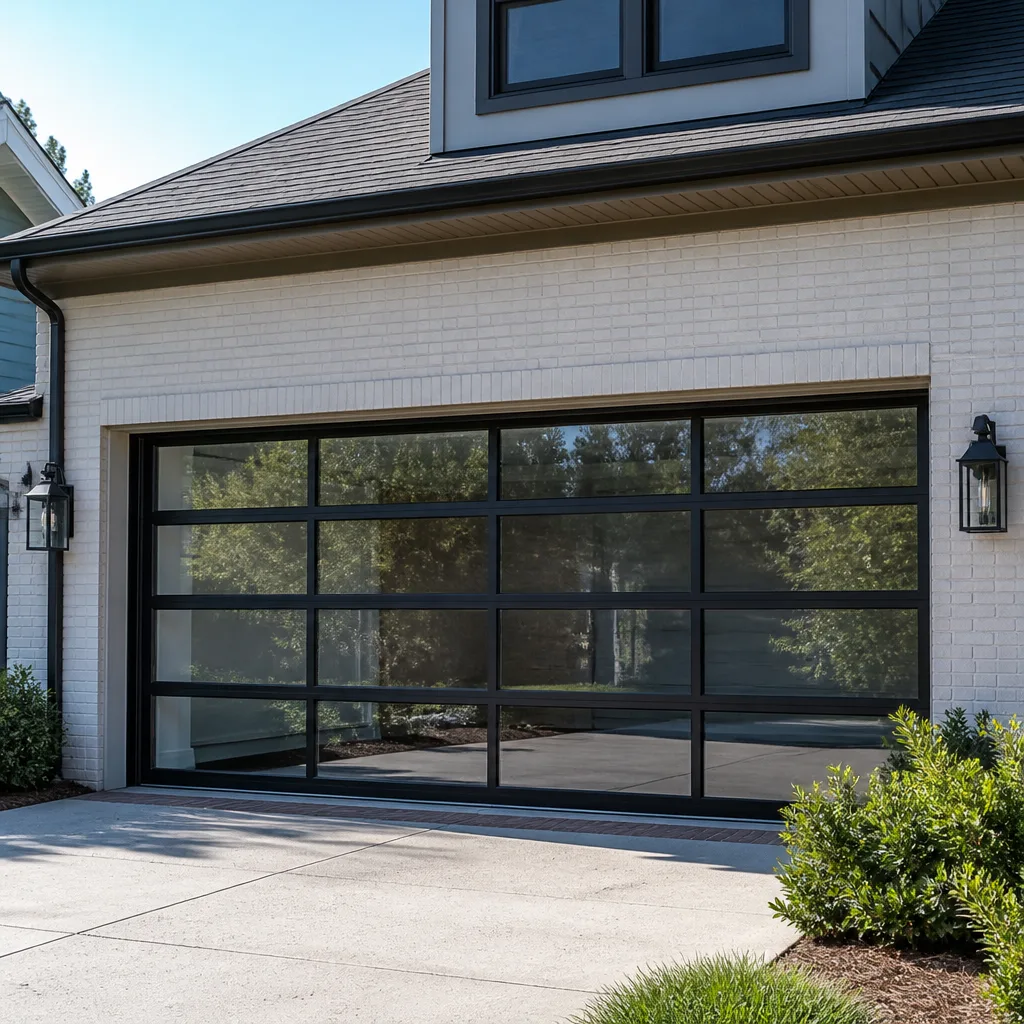 Full-view glass
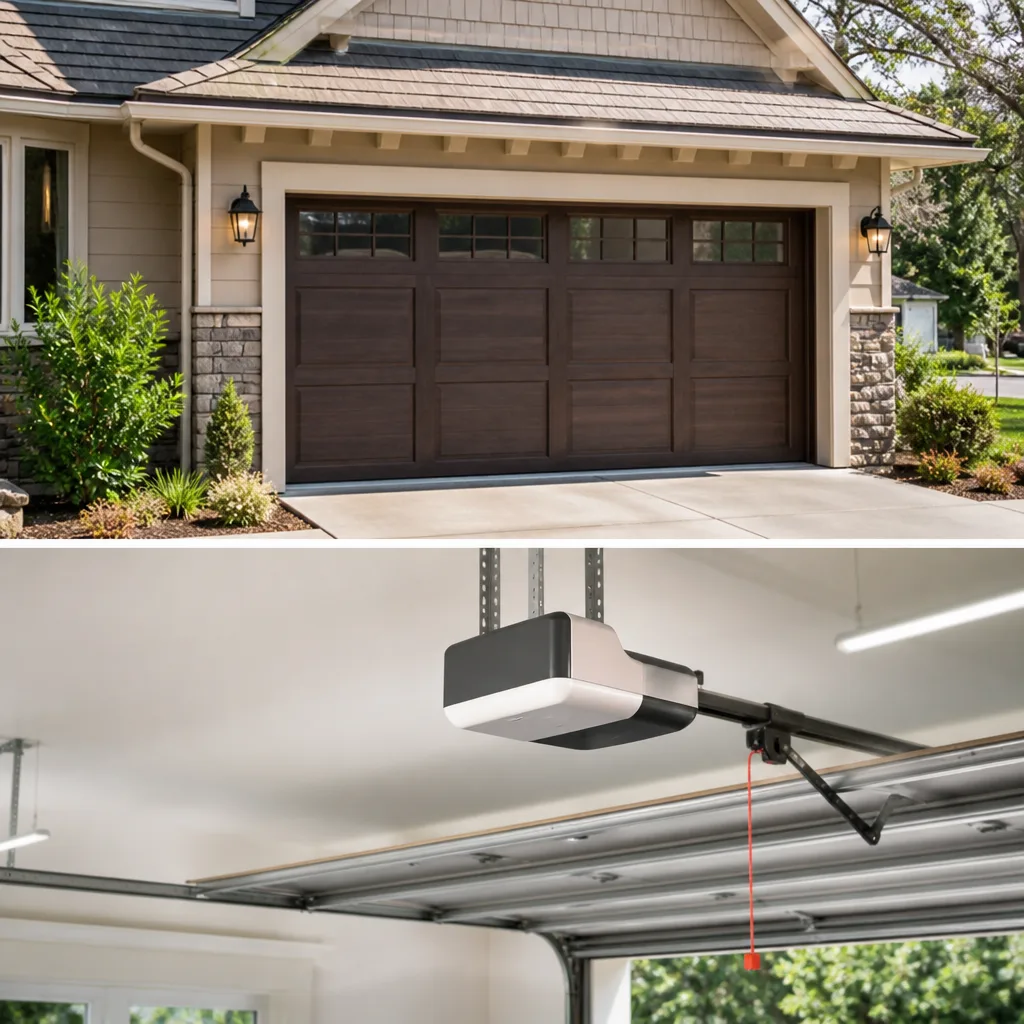 LiftMaster openers
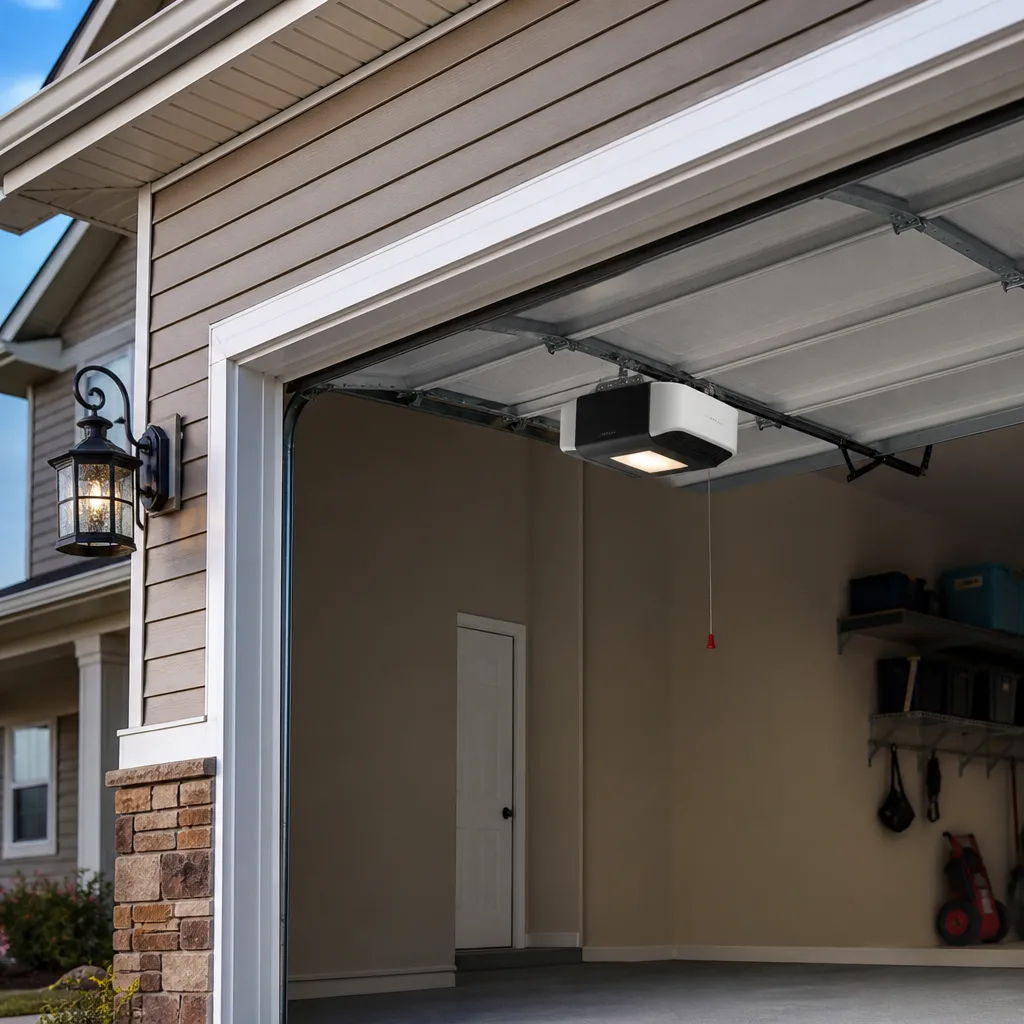 Chamberlain openers
Full 25-point door and opener safety check with every visit - springs, cables, rollers, tracks, and your LiftMaster or Chamberlain opener included
You get a price before we start. It does not change when the truck arrives.
Get your free estimateGarage Door Repair Troubleshooting: Common Problems and How to Fix Them
A garage door that reverses before it touches the ground isn’t always a sensor issue. In roughly 30% of the service calls we run in West Hollywood, the real culprit is a torsion spring that’s quietly lost tension over years of daily cycles and is now tripping the opener’s force settings. The door isn’t broken. The opener thinks it’s hitting something because the spring isn’t doing its share of the lift anymore. This guide works backward from root cause, not forward from symptom, because the same complaint can trace to six different systems and guessing wrong means paying for parts you didn’t need. You’ll learn what to check, what to leave alone, and when our Garage Door Repair services beats another weekend of fiddling.
Styles & brands we work with
Quick Answer
Most garage door failures come down to one of five systems: springs, cables, tracks and rollers, the opener, or the weather seal and safety sensors. Start by identifying which system is misbehaving using the door’s own movement as your diagnostic signal. If anything involves a spring, cable under tension, or opener logic board, stop and call a professional: those three areas are where well-meaning DIY repairs turn into injuries or voided warranties. For everything else, this guide gives you safe, specific steps you can take tonight.
Table of Contents
- Symptom-to-System Diagnostic Map: Find the Faulty Component First
- Safety First: What You Should Never Touch On a Garage Door
- When the Door Won’t Open At All
- When the Door Reverses Before Closing
- When the Door Moves Unevenly or Binds Mid-Travel
- When the Opener Runs But the Door Doesn’t Move
- Intermittent Faults: Environmental vs. Mechanical Wear
- Three Steps That Void Warranties (And Should Be Left to a Technician)
- Common Mistakes to Avoid
- When to Call a Professional
- Frequently Asked Questions
- The Bottom Line
Symptom-to-System Diagnostic Map: Find the Faulty Component First
Before you touch anything, watch the door go through a full cycle. Not casually: actually stand there and observe. The way a door fails tells you which of its four mechanical subsystems is involved, and that determines whether you’re dealing with a safe adjustment or something that needs a torque wrench and a service truck. Here’s the map we use in the field, broken down by the first thing you’ll notice.
The Door Won’t Move At All
This points to the opener first, but don’t skip the possibility of a broken spring. A torsion spring that snaps while the door is down often leaves the door looking perfectly normal, but impossibly heavy when you pull the manual release. If the opener hums and strains, the spring is likely gone. If the opener is silent, you’re into an electrical or logic board issue. Two completely different repairs, one identical symptom.
The Door Moves Then Stops Mid-Travel
Mid-travel stops are almost always mechanical, not electronic. Look for a bent track, a roller that’s come out of its bracket, or a cable that’s started to fray and is snagging on the drum. In West Hollywood’s aging apartment stock and older Spanish-style homes, we see track brackets that have pulled loose from drywall anchors that were never rated for the load. The door was fine until the bracket shifted a quarter inch.
The Door Closes Then Immediately Reverses
This is the symptom everyone blames on the photo eyes. And sometimes it is. But if the sensors are clean and aligned and the door still reverses, the springs have lost enough tension that the opener’s internal force meter reads the closing door as an obstruction. The opener isn’t faulty: it’s correctly detecting that the door has become too heavy to close safely. The fix is spring adjustment or replacement, not a new opener.
The Door Is Noisy
Noise maps almost neatly to wear: grinding means rollers, squealing means hinges, popping means a spring that’s binding on itself. A Craftsman or Raynor system that’s ten years old will often make all three sounds in sequence, which tells you nothing has been lubricated since installation. West Hollywood’s coastal air accelerates surface rust on roller bearings: a dry roller grinds, and within a season it’s worn flat enough to derail.
Safety First: What You Should Never Touch On a Garage Door
A residential garage door weighs between 130 and 250 pounds, and the springs that counterbalance it are under enough tension to remove fingers or worse if they release unexpectedly. That’s not an exaggeration for effect. Torsion springs on a standard two-car door carry 30 to 50 foot-pounds of stored torque per turn, and they’re wound anywhere from seven to eleven turns. When they let go, they don’t apologize. Here’s what stays off your DIY list permanently.
- Torsion spring adjustment or replacement. The winding bars, the set screws, the release sequence: all of it is a technician’s job with a technician’s tools. A slip here is the most common severe injury in home improvement.
- Cable replacement under load. The cables run alongside the door and carry full spring tension when the door is up. Cutting or unbolting a cable without first releasing spring tension turns the cable into a whip.
- Any repair that requires you to work under a door held open only by the opener. If you’re under the door and the opener fails or the spring gives, the door comes down. Always use a locking plier or vice grip on the track below a roller if you must work under an open door, and even then, keep your body out from underneath.
We say this as people who work on these doors every day: the hardware doesn’t care how careful you’re being. If the repair involves anything under tension, the right tool is a phone call to someone with the winding bars and the training.
When the Door Won’t Open At All
A dead door is either a power problem, a busted spring, or a destroyed opener mechanism. Here’s how to tell which in under five minutes, using nothing fancier than your ears and a flashlight.
Step 1: Listen to the Opener
Press the wall button, not the remote. Wall buttons bypass radio interference and failing remote batteries. If the opener clicks but the motor doesn’t run, you’ve got a bad capacitor or logic board: replaceable, but not by you. If the opener hums for a second then stops, the motor is trying to move a door that’s far too heavy. That’s a spring failure.
Step 2: Pull the Manual Release
The red cord hanging from the rail disconnects the door from the opener carriage. Pull it and try to lift the door by hand. A properly balanced door stays where you put it at waist height and moves up and down with one hand. If the door slams to the ground or you can barely lift it, the spring has failed or lost significant tension. If the door glides easily, the problem is inside the opener.
Step 3: Check the Safety Sensors
If the door was working yesterday and today the opener light blinks but nothing happens, check the photo eyes at the bottom of each track. They need clear line of sight to each other. A broom handle, a bike tire, or a spider web across one lens will stop the door cold. Wipe both lenses with a dry cloth and make sure the small indicator lights are lit on both units. One dark eye means no signal: the opener assumes an obstruction and refuses to move.
If you’ve done all three and the door is still down, the spring or the opener needs a professional. That’s the point where continued guessing starts costing money. Opener repair in Burbank has the same diagnostic sequence we run here in West Hollywood: listen, release, check sensors, then decide. In that order.
When the Door Reverses Before Closing
Reversal at the threshold, or just above it, is the number one service call we get in West Hollywood. It also has the highest misdiagnosis rate among DIY attempts, because the obvious suspect is rarely the actual cause. Here’s the full decision tree.
Check the Photo Eyes First
Yes, we start here too. It’s the most common cause, and it’s free to fix. Make sure both lenses are clean, both indicator lights are on and steady, and both units are aimed at one another. A door that closes an inch, reverses, and flashes the opener light ten times is telling you it’s a sensor fault. A door that closes halfway or more before reversing is usually talking about force settings, not sensors.
Then Check the Close-Force Setting
If your opener has adjustment dials or buttons on the motor housing, the close-force setting may have been bumped or may have drifted. In cold weather, West Hollywood nights drop enough that an uninsulated spring loses a fraction of its lift, and a door that closed fine in August suddenly reverses. The opener feels the extra load and treats it as a pinch. Raising force a quarter-turn is a temporary fix, but it’s also a signal that the spring is due for evaluation.
The Spring Tension Culprit
This is the 30% of reverse-at-threshold calls that surprise people. A torsion spring’s job is to make the door feel almost weightless. As it ages and loses tension, the door gets heavier in the opener’s perception. The opener’s force sensor, calibrated years ago for a door that weighed effectively 15 pounds, now sees a door that feels like 40. It reverses because it thinks it’s crushing something. The right fix is a spring adjustment by a technician who can safely re-tension the system, not a new opener and not another remote reprogramming.
We see this pattern consistently on LiftMaster openers paired with original springs that are eight to ten years old. The opener is doing exactly what it was designed to do. The door is the problem.
When the Door Moves Unevenly or Binds Mid-Travel
A door that rises crooked, shudders halfway up, or hangs up on one side is almost always a track, roller, or cable issue. These are mechanical problems that no amount of opener reprogramming will solve, though many people try that first. Here’s what’s actually happening.
The Crooked Rise
If the door lifts but one side is four inches higher than the other, you likely have a cable that’s off its drum or a roller bracket that’s pulled loose from the door. Stand inside the garage and look at the cables running along each side. Both should be taut against the track. If one is slack or wrapped unevenly around the drum at the top, stop using the door immediately. A door moving under uneven cable tension will eventually fold or jump the track completely.
The Mid-Travel Bind
A bind feels like a hitch, a moment where the door rocks sideways and the opener grunts to push through. Typical causes in West Hollywood homes: a track that’s taken a hit from a car bumper (common in tight carports and narrow driveways), a roller that’s cracked or worn flat, or a hinge that’s seized due to rust. Take a flashlight and look for gaps between the roller stem and the hinge barrel. A healthy roller spins quietly. A dead roller skids and carves a flat spot into itself and the track.
Lubrication Checks
The one safe, genuinely effective DIY step is lubrication. A silicone-based spray on the rollers, hinges, and the torsion spring once or twice a year reduces friction and quiets a door dramatically. Don’t use WD-40 on the rollers: it’s a solvent plus a light oil, and it washes out the heavier grease that the bearings actually need. A dedicated garage door lubricant or plain white lithium grease is the right choice. It’s a ten-minute job that extends roller and spring life meaningfully, and it costs less than a cup of coffee.
If the track is visibly out of alignment or a cable is loose, that’s the line between a tune-up and a real repair. Misaligned tracks aren’t straightened by hand: they come off the wall, get re-shimmed, and go back with new brackets. That’s a service call, and in our experience, it’s one homeowners in West Hollywood put off too long because the door technically still opens.
When the Opener Runs But the Door Doesn’t Move
The opener motor spins, the chain or belt whirs, and the door sits exactly where it was. This is a disconnect between the opener and the door, and it has a short, specific list of causes.
First: Check the Emergency Release
The red cord that disconnects the door from the carriage can get pulled accidentally. If someone yanked it to test the manual operation, or a backpack hook snagged it, the carriage is now free-running. Reconnect by pulling the release cord again, then operating the opener until the carriage arm clicks back into the traveler. This is the single most common “opener runs, door stays” cause.
Second: Look at the Carriage or Drive Gear
If the release wasn’t pulled, the issue is usually in the opener’s drive mechanism. Chain-drive units wear out the sprocket on top of the motor. Belt-drive units can lose teeth. Screw-drive units, common on older Genie openers, can strip their internal gear. The symptom in all cases is identical: motor runs, noise happens, nothing moves. The repair on a stripped gear or worn sprocket is real work that involves pulling the opener housing, and it’s the point where we tell people to weigh repair cost against replacement. Some fifteen-year-old openers aren’t worth a $180 gear kit.
Third: Consider the Door’s Own Hardware
Sometimes the door doesn’t move because the door doesn’t want to move. A frozen roller or a broken hinge can bind the door so tightly that the opener runs but the carriage arm flexes in place. This is where symptom-to-system thinking pays off. If the opener runs and the door stays still, and the release was not pulled, run your hand along the top of the door to feel for movement at the opener arm. If the arm is trying to move but the door is rigid, the issue is in the door’s hardware, not the opener. Fixing the door first solves the opener’s problem for free.
Intermittent Faults: Environmental vs. Mechanical Wear
An intermittent garage door fault is the most frustrating kind: it works for two weeks, then refuses to close one morning, then works again. The key question is whether the fault is environmental (temperature, humidity, power) or mechanical (wear, fatigue, loosening). They look similar but need very different responses.
Environmental Factors in West Hollywood
Coastal humidity does real things to garage door hardware. Metal expands and contracts with temperature, and West Hollywood’s daily swings of 20-plus degrees are enough to make a marginal part work in the afternoon and seize at dawn. The most common environmental fault we see involves cold-weather stiffness: a door that reverses on a 45-degree morning but works fine once the sun hits it usually has a spring that’s lost enough tension to be right at the opener’s force threshold. The spring isn’t broken. It’s marginal. And marginal springs fail completely within a season: the environment is revealing the mechanical wear, not causing it.
Mechanical Wear Patterns
Mechanical faults tend to get worse over time, while environmental faults tend to fluctuate. If the door gets harder to close every week regardless of weather, that’s wear. If it acts up only on cold mornings or after a heavy rain, that’s the environment. Neither fixes itself. The difference matters because an environmental issue can sometimes be tuned out with lubrication or a small force adjustment, while a mechanical issue is a bill you’re going to pay eventually, so you may as well pay it before something breaks mid-cycle and leaves the door stuck open overnight.
Power and Radio Interference
One more intermittent category: the opener works fine from the wall button but the remote fails sometimes. In dense West Hollywood neighborhoods, neighboring remotes, Wi-Fi routers, and even landscape lighting transformers can interfere with radio signals. LiftMaster and Chamberlain units use rolling-code security that occasionally desyncs when interference is heavy. Repositioning the opener antenna, replacing remote batteries, or moving a router off a shared outlet often clears it. If you find yourself reprogramming the remote every few weeks, the issue isn’t the remote: it’s the signal environment or a failing receiver board.
Three Steps That Void Warranties (And Should Be Left to a Technician)
Some fixes look simple and are anything but. These three situations void manufacturer warranties in the fine print and create real safety hazards. We’ll say it directly: the savings from doing them yourself don’t come close to the cost of voiding a $300 spring warranty or a $500 opener warranty.
1. Drilling Into the Door to Mount Anything
Want to add a lock, a handle, a deadbolt, a smart camera mount? Any penetration through the door panel changes its structural load path. Most door manufacturers, including current Clopay and Amarr lines, specify that field-drilled holes not at factory mounting points void the door’s structural warranty. If that door later cracks at the drill point, you own it. Use clamp-on accessories or ask a technician to do the installation properly with the right backing plates.
2. Rewiring or Replacing the Opener’s Logic Board Yourself
Openers carry manufacturer warranties that die the moment a non-certified person opens the housing and starts moving wires. LiftMaster, Chamberlain, Genie, and Craftsman all write this into their warranty terms. Worse, modern openers pack capacitors that hold a charge well after unplugging. Touching the wrong contact gives you a jolt you’ll remember. Logic board diagnosis and replacement is technician work, full stop.
3. “Adjusting” the Torsion Springs With Improvised Tools
Every year people try to re-tension garage door springs with screwdrivers, pry bars, or sections of metal rod from the hardware store. The correct winding bars are hardened steel sized exactly to the winding cone. Improvised bars flex, slip, or snap, and the spring unwinds in a fraction of a second. The injury list from this one mistake is long and permanent. It also voids any spring warranty and often damages the bearing plates as the spring rockets off. This is the clearest line in the entire trade: don’t.
Common Mistakes to Avoid
- Replacing the opener when the door is the problem. An opener that reverses, struggles, or shudders is often reporting a door that’s too heavy or binding. New opener, same door, same problem. Diagnose the door first.
- Lubricating the photo eyes instead of cleaning them. Oil or grease on a sensor lens attracts dust and makes the problem worse. Dry cloth only.
- Raising the close-force setting to “fix” a reversing door. This masks the symptom. A door that needs more force to close needs a spring adjustment, not a brute-force override. Higher force settings also reduce the opener’s ability to detect a real obstruction, like a child or a pet.
- Ignoring a frayed cable. A cable with one broken strand will fail. It won’t send a warning letter. Replacing a cable before it snaps is a $150 service call. Replacing a door panel after a snapped cable drops the door corner onto the floor is a lot more.
- Painting over the weather seal or the track. West Hollywood homeowners repaint garage doors as part of the exterior, and some get paint into the track channel or onto the bottom seal. Paint in the track causes the rollers to bind. Paint on the seal makes it stiff and lets water under the door in rain season.
- Using any lubricant that isn’t silicone or white lithium. Spray penetrating oil on rollers and you’ll wash out their bearing grease. A month later they’re grinding worse than before.
- Keeping the door running on a blown spring “for a few more weeks.” When one spring breaks, the other follows. A door with one dead spring and one marginal spring is a door that can drop without warning. That’s how doors come off tracks and people get hurt.
When to Call a Professional
Call a technician when the spring is broken or visibly losing tension, when a cable is frayed or off the drum, when the door has jumped the track, or when you’ve done the safe checks and the opener still won’t respond. Call also when the door has become a hazard to your family’s daily routing: a door that fails intermittently is a door that will fail at the worst possible time, usually a morning when you’re already late. We serve West Hollywood and the surrounding area, and our service covers whatever brand is on your door: Wayne Dalton, Raynor, LiftMaster, or anything else installed in the last twenty years. Golden Bear Garage Door Repair offers free estimates in West Hollywood. Call (833) 467-4118 and we’ll give you a straight answer on whether the door needs a part, a tune-up, or a replacement, quoted before any work starts.
Frequently Asked Questions
Most garage door repairs in West Hollywood run between $95 and $450, depending on the part and the door system. A sensor replacement or track alignment lands on the lower end. A torsion spring replacement on a two-car door, or a cable and drum replacement, lands higher. The price is always quoted and agreed before work starts, and we don’t add surprises to the invoice. Call (833) 467-4118 for an exact quote: estimates are free.
Yes, in most cases. We keep the common failure parts on the truck: springs, cables, rollers, hinges, and sensor units, so many repairs in West Hollywood are done in one visit. If your door is stuck open or won’t close, that’s a security issue as much as a convenience one, and we treat it that way. Call us and we’ll tell you honestly when we can be there.
No. The price you’re quoted before work begins is the price you pay when the job is done. If the technician finds something additional after starting, we stop, show you what was found, and get your approval on any new cost before proceeding. No work happens without your go-ahead.
All of them. Our technicians are certified on LiftMaster, Chamberlain, Genie, Clopay, Amarr, Wayne Dalton, Craftsman, and Raynor systems, which covers the vast majority of doors in West Hollywood. Whatever brand is on your door, we know it, and we don’t push you toward a replacement brand because we don’t have an exclusive deal with any manufacturer. We fix what you’ve got when it’s fixable, and we tell you honestly when it isn’t.
It depends on the door, not the age. If the panels are sound, the track is straight, and the failure is a spring, cable, or opener component, repair usually makes sense and costs a fraction of replacement. If the door is rusted through, the panels are cracking at the hinges, or you’re stacking multiple repairs in a single year, replacement starts to pencil out. We’ll tell you which way the math runs without a sales pitch. Garage door installation is one of our core services, but we won’t recommend it unless the numbers and the door’s condition support it.
Broken torsion springs. In West Hollywood’s climate and with the daily use most garage doors get, springs fatigue and fail on a predictable cycle of seven to ten years. The door won’t open, the opener strains or stalls, and the homeowner thinks the opener died. Nine times out of ten, the opener is fine: the spring is gone. We replace the spring pair, re-balance the door, and the system runs like the day it was installed.
The Bottom Line
Garage door troubleshooting is mostly about knowing what not to touch and knowing when a symptom is pointing at a different system than it seems to. The opener that won’t close the door is often reporting a spring problem. The door that won’t move is often a blown spring hiding behind an innocent-looking panel. The safe checks: listen, release, inspect, lubricate. The unsafe work: springs, cables under tension, and logic boards. Those go to a technician every time. If you’re in West Hollywood and your door is down, noisy, or reversing, garage door repair in Burbank and the surrounding area is what we do every day. Call (833) 467-4118 for a free estimate and a straight diagnosis.
Written by the team at Golden Bear Garage Door Repair, serving West Hollywood since 2016.
See the difference
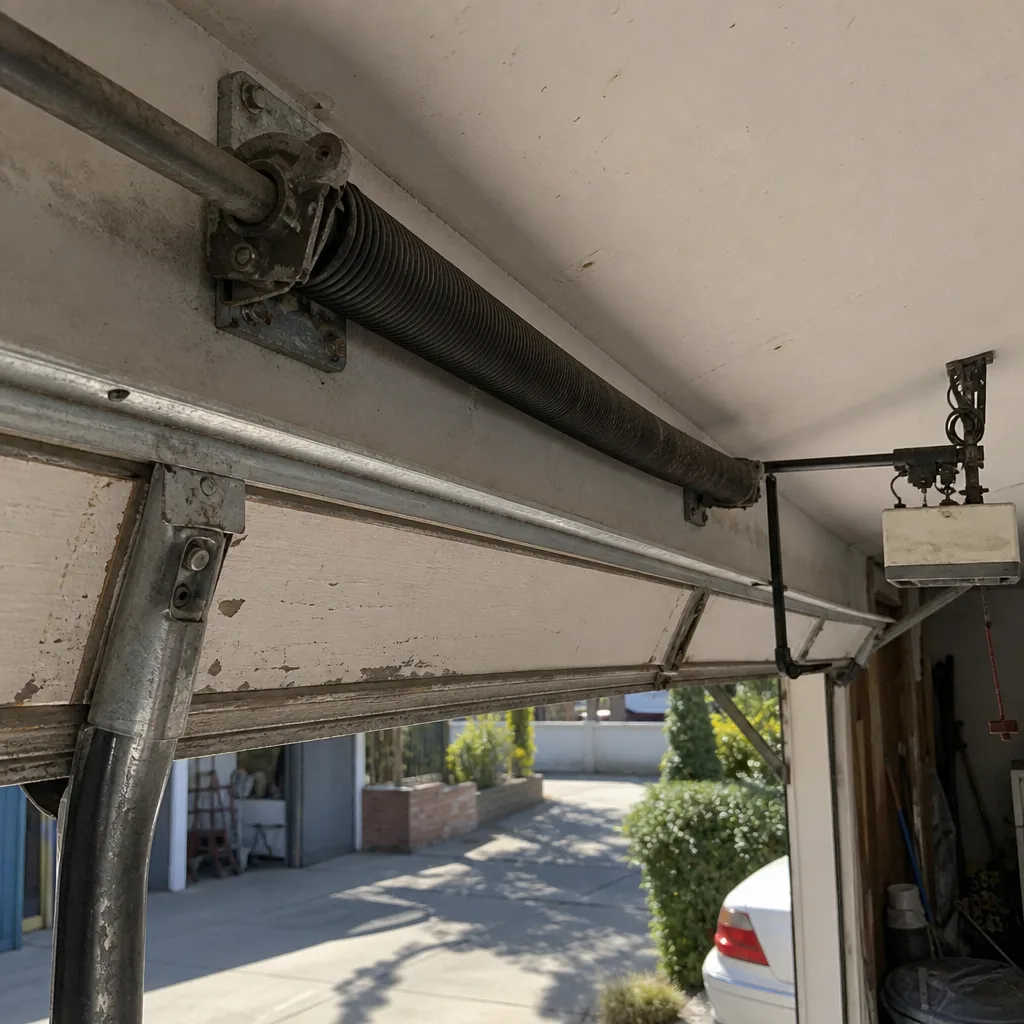 Before
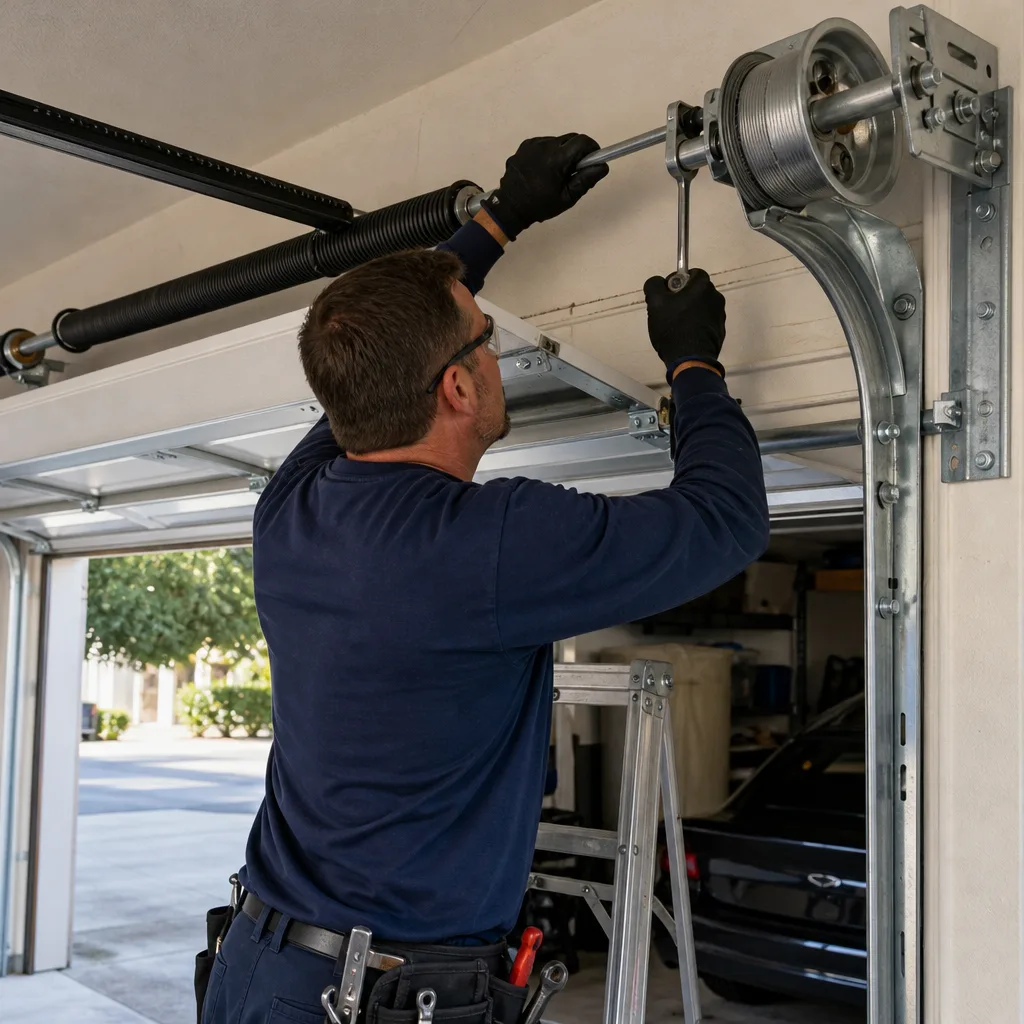 After
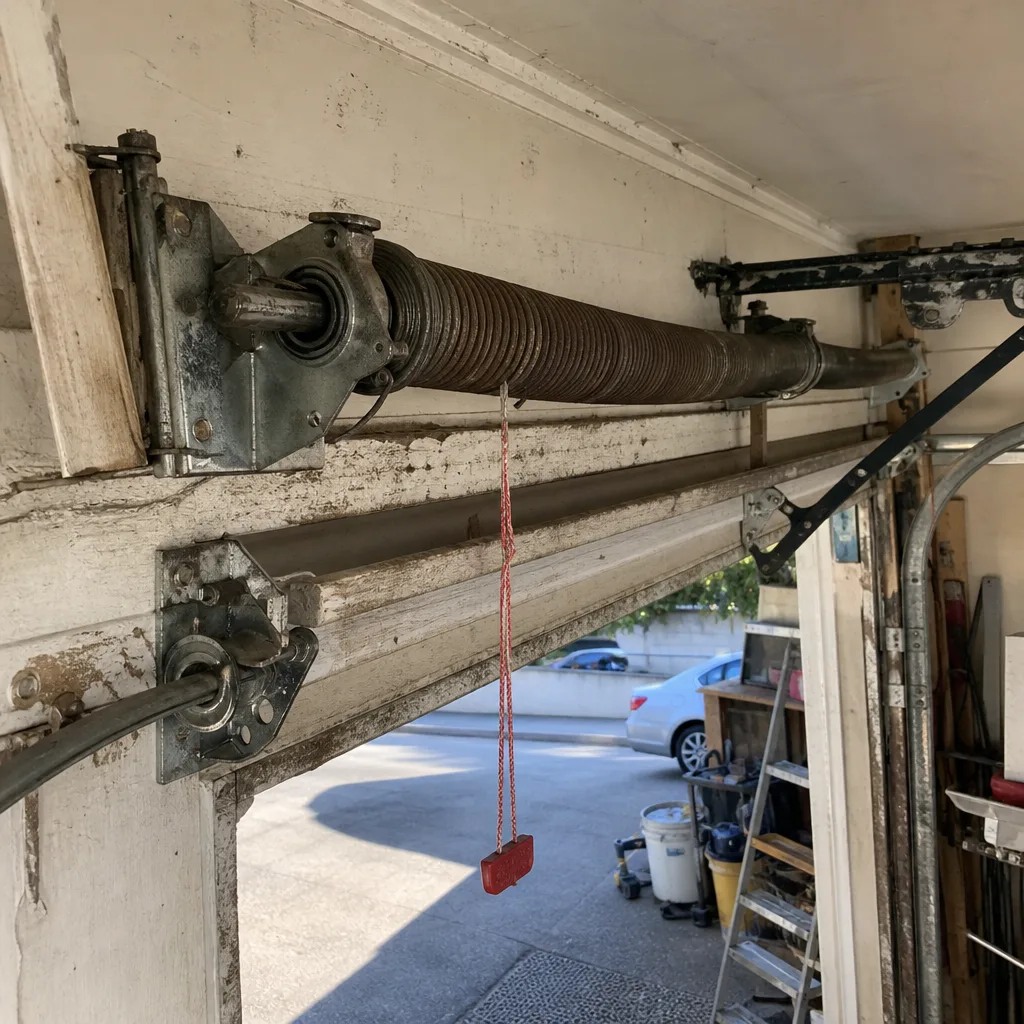 Before
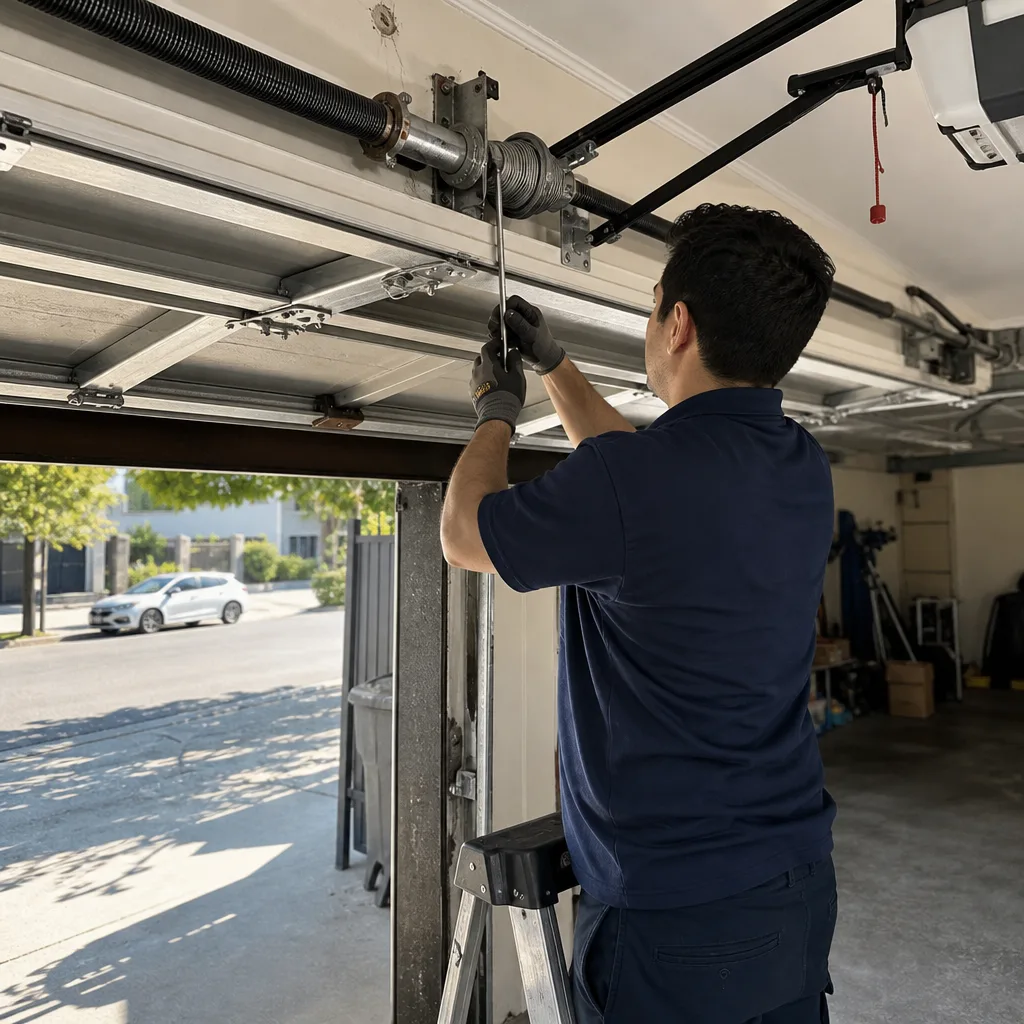 After
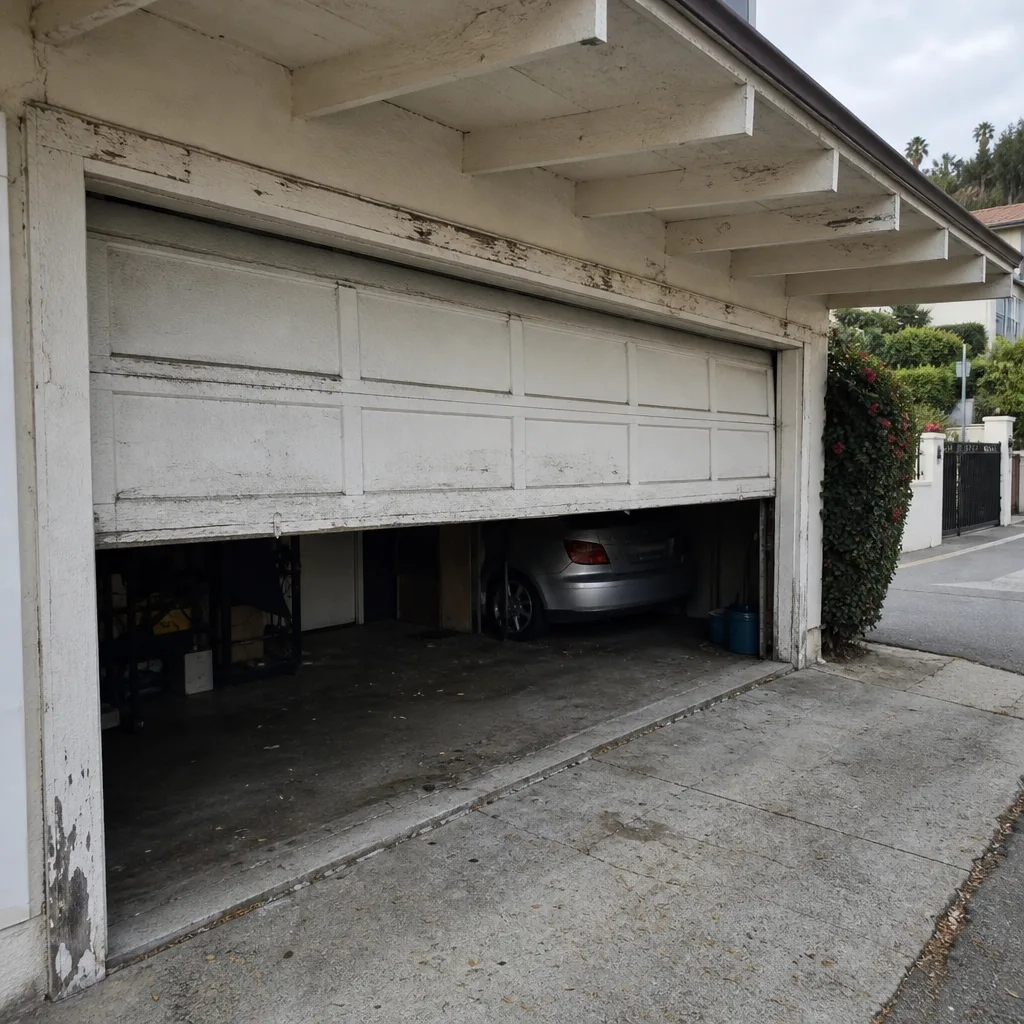 Before
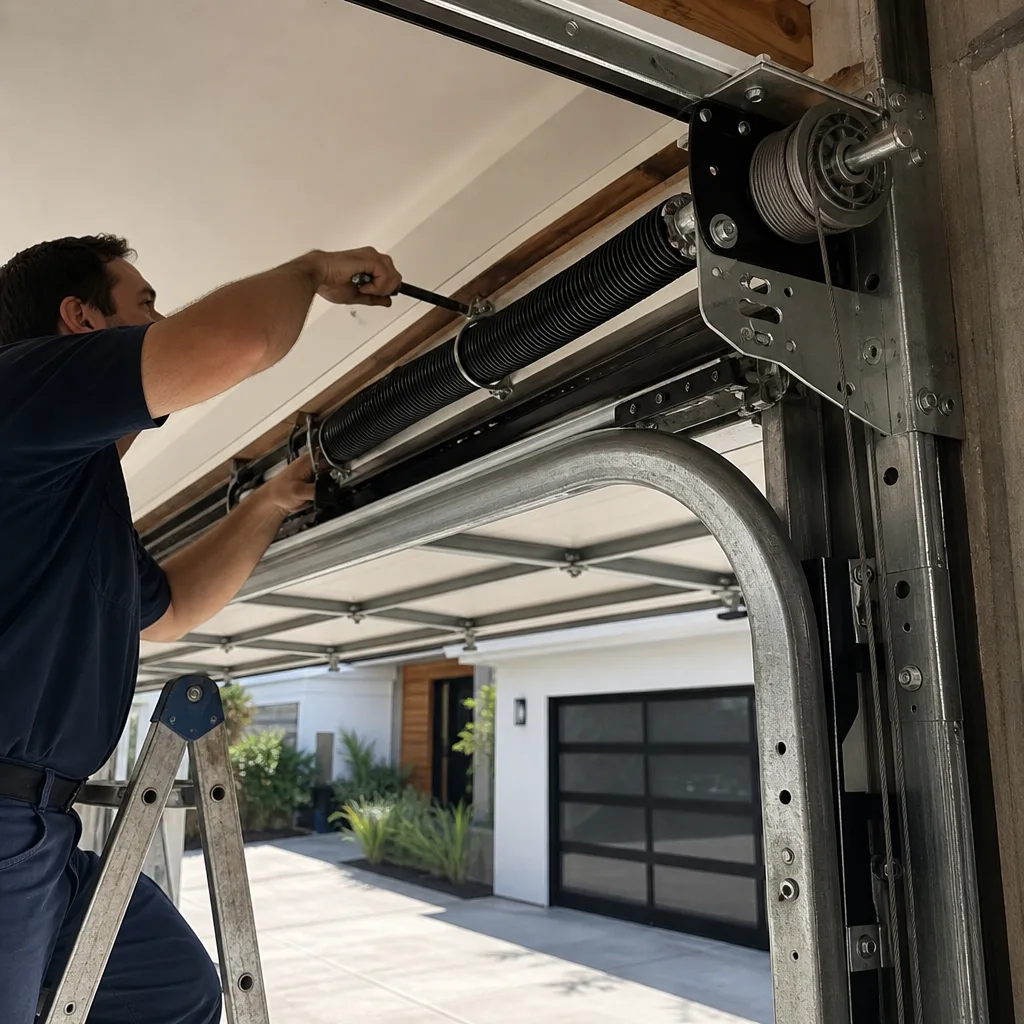 After