Last updated October 31, 2026
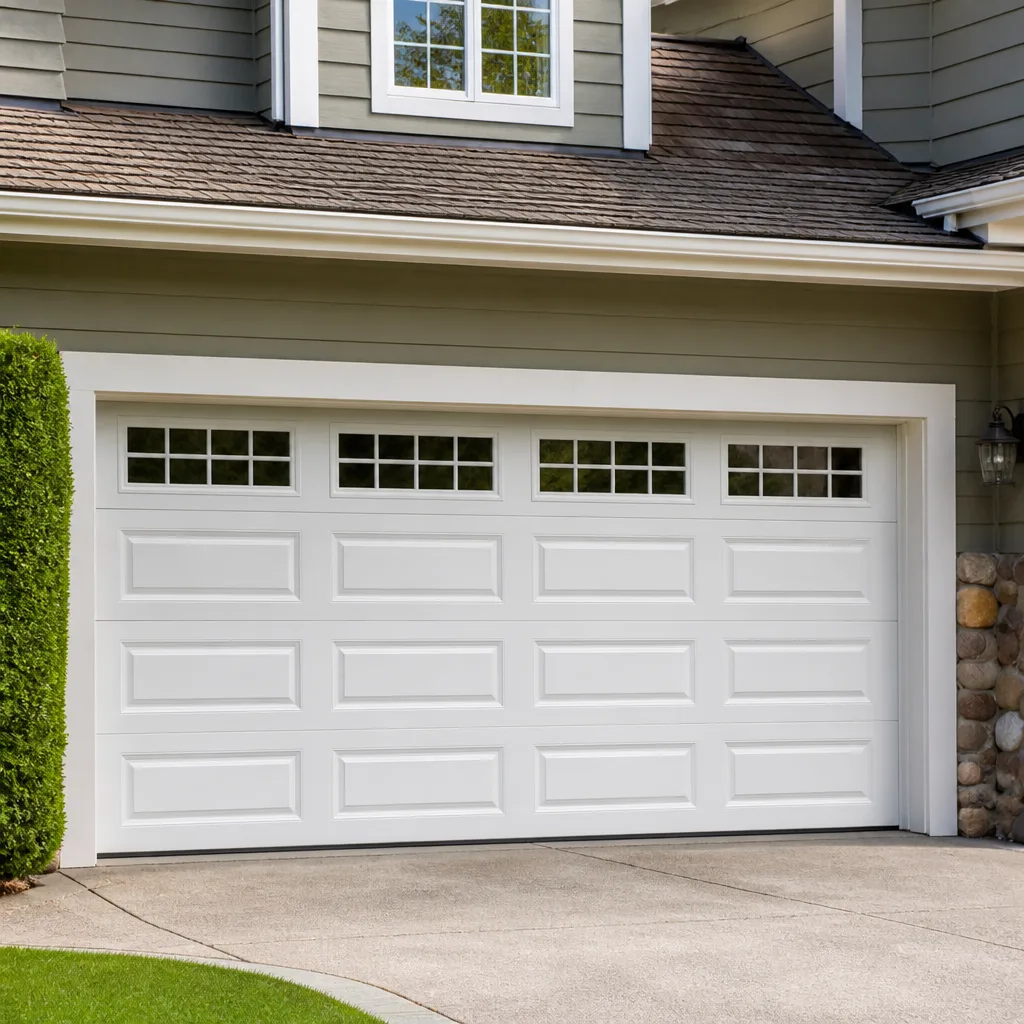 Raised-panel steel
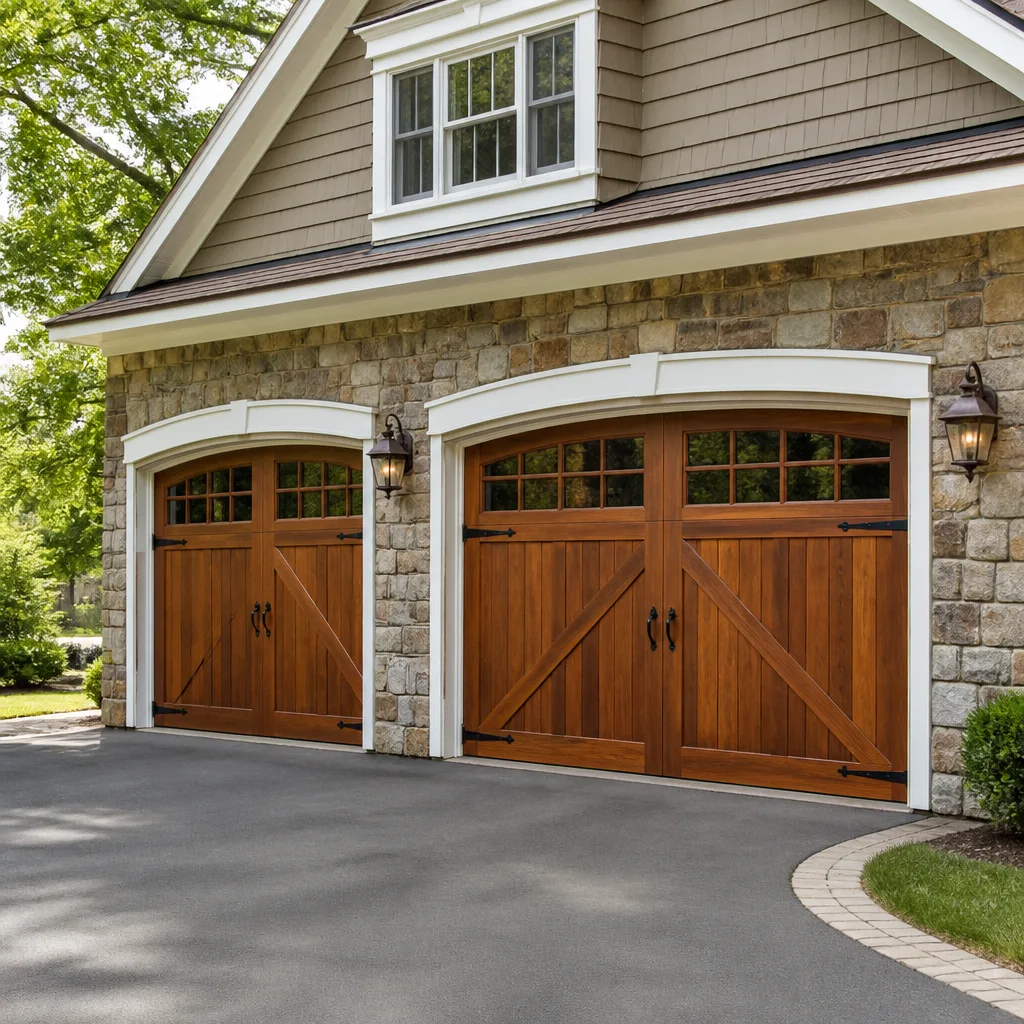 Carriage house
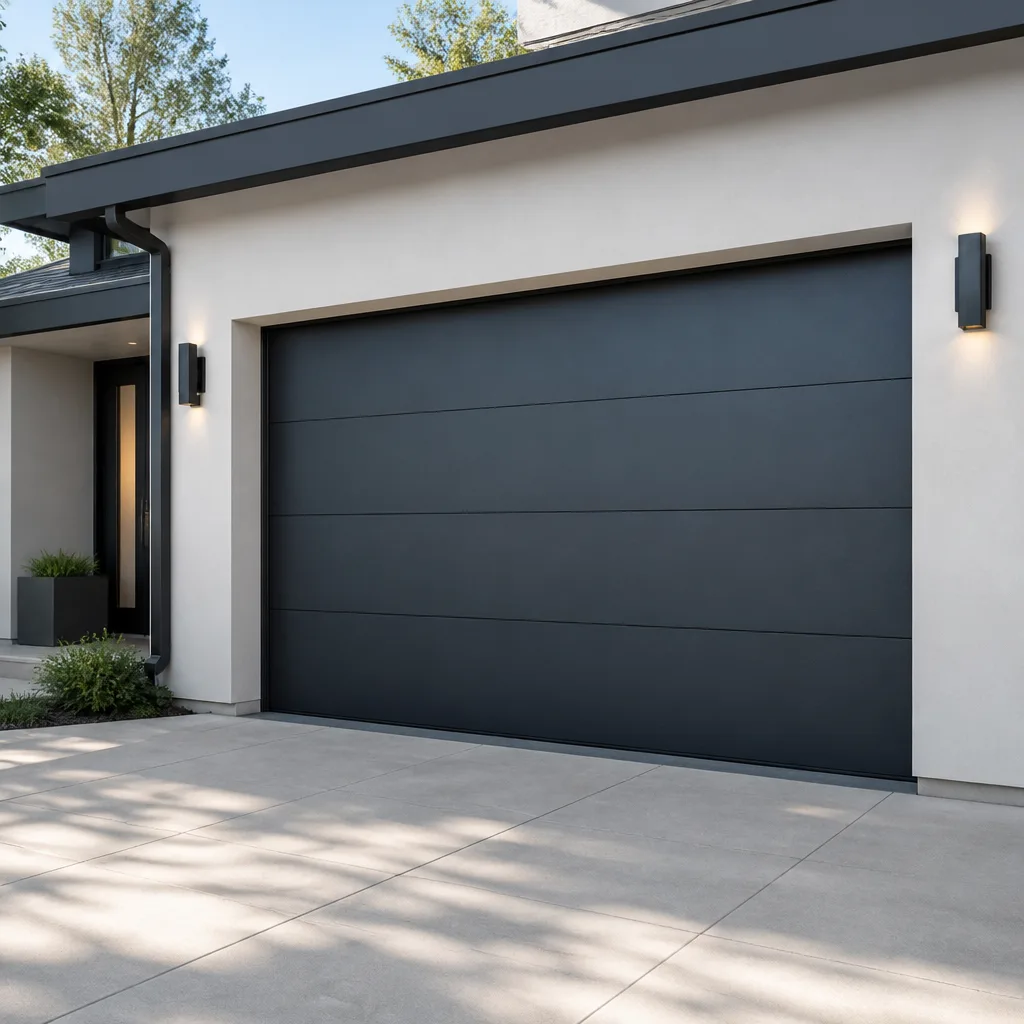 Modern flush
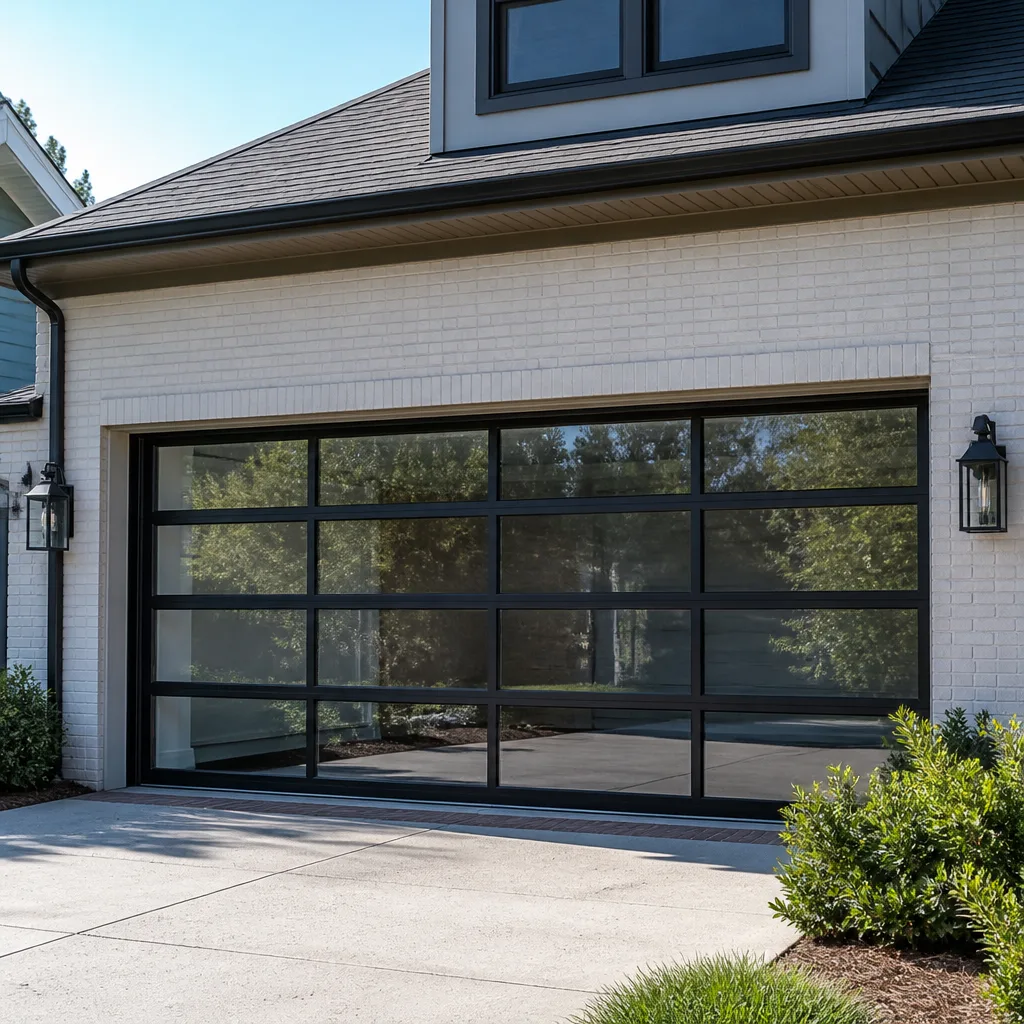 Full-view glass
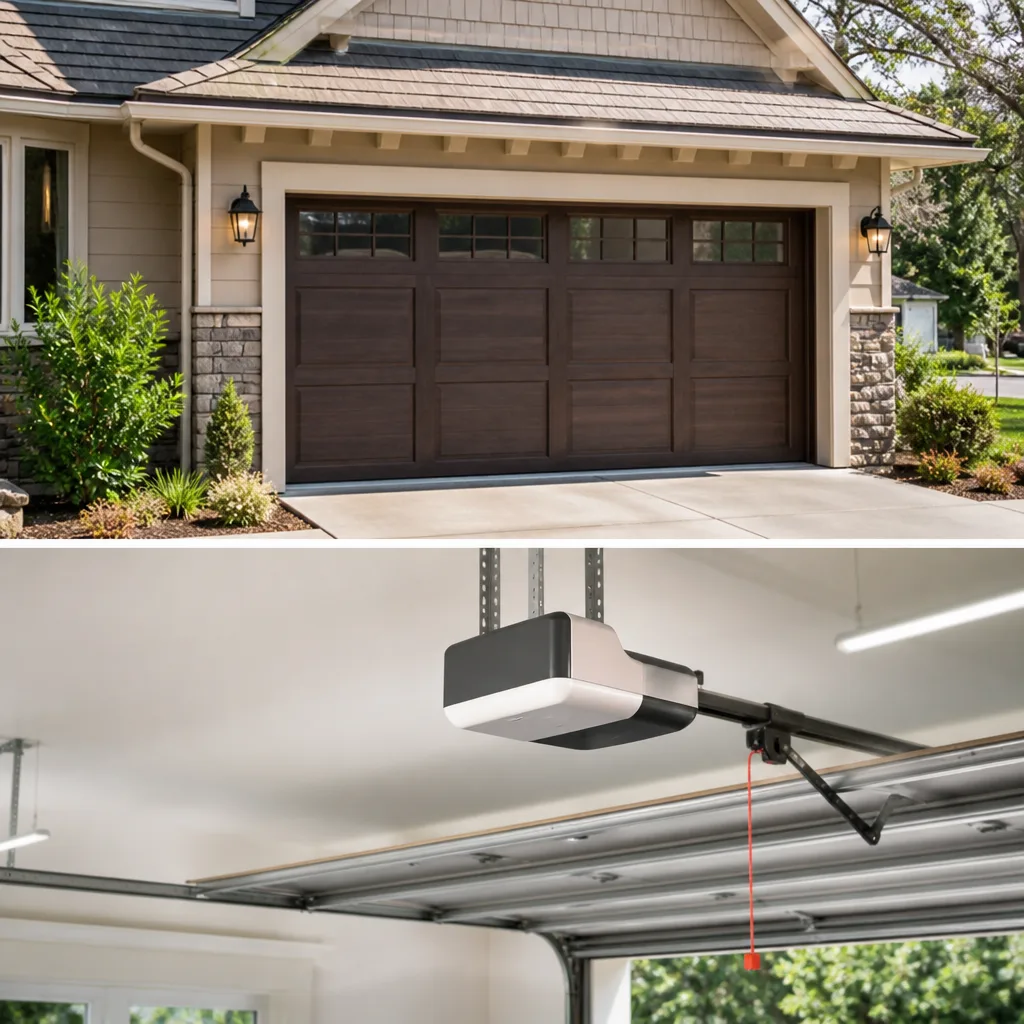 LiftMaster openers
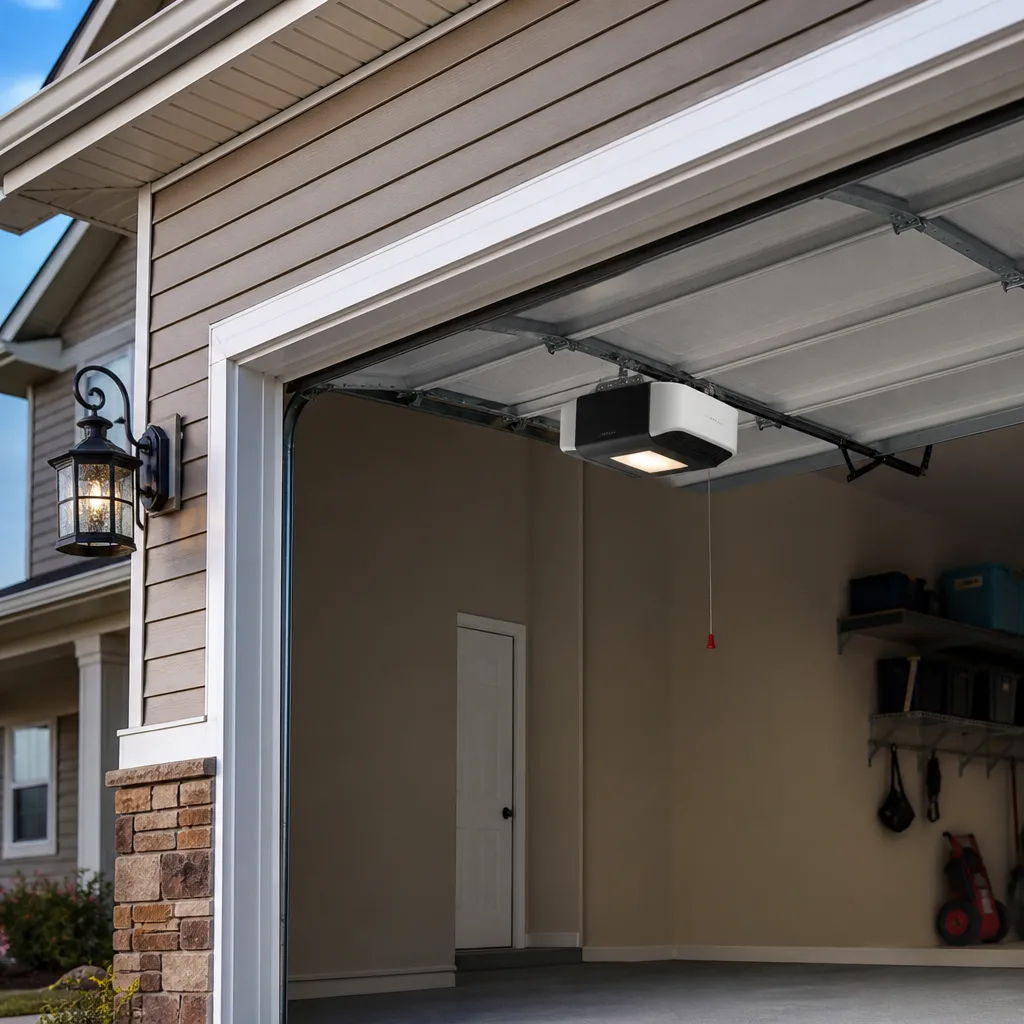 Chamberlain openers
Full 25-point door and opener safety check with every visit - springs, cables, rollers, tracks, and your LiftMaster or Chamberlain opener included
You get a price before we start. It does not change when the truck arrives.
Get your free estimateHow to Hire a Garage Door Contractor in West Hollywood: A Step-by-Step Guide
Most homeowners in West Hollywood don’t realize their city is an independent municipality surrounded entirely by Los Angeles. That geographic quirk matters more than you’d think when hiring a garage door contractor, because it means permits, bonding requirements, and even aesthetic codes differ from what an LA-based contractor typically handles. A contractor who works freely across LA might show up with the wrong jurisdiction’s paperwork, and that mistake can stall a project for weeks. This guide walks you through the exact questions to ask, the license classifications that actually apply, and the red flags that separate a genuine garage door specialist from a generalist guessing his way through your emergency.
Quick Answer
To hire a garage door contractor in West Hollywood, verify they hold a California CSLB license with the C-61/D28 (Door and Gate) specialty classification, confirm they carry insurance and bonding that covers work within the City of West Hollywood specifically, and ask pointed questions about their diagnostic process before accepting any quote. A legitimate contractor in this area will also provide a written estimate that lists parts, labor, permit handling if applicable, and a clear scope of work before anything gets signed. Call Golden Bear Garage Door Repair at (833) 467-4118 for a free estimate from a team that services the brands already on your door. For a deeper dive, read The Complete Garage Door Repair Guide for West Hollywood Homeowners.
Styles & brands we work with
Table of Contents
- Step 1: Check the CSLB License Classification (Not Just “Licensed”)
- Step 2: Verify Insurance and Bonding for West Hollywood Specifically
- Step 3: Ask How They Diagnose Before They Quote
- Step 4: What a Legitimate Written Estimate Must Include
- Step 5: Red Flags to Filter Out Before You Commit
- Step 6: Questions to Ask Every Contractor on the Phone
- West Hollywood Specifics: Permits, Aesthetics, and Jurisdiction
- Why This Hiring Process Saves You Money Long-Term
Step 1: Check the CSLB License Classification (Not Just “Licensed”)
Every contractor in California needs a license from the Contractors State License Board, but “licensed” alone doesn’t tell you whether someone is actually qualified to touch a garage door. Garage door work falls under the C-61/D28 classification, which is the Door and Gate specialty under the broader C-61 limited specialty umbrella. A general building contractor (B license) can legally perform garage door work as part of a larger project, but a handyman with a general B license is not the same thing as a technician who holds the specific D28 certification.
Here’s why the distinction matters in West Hollywood. The city has stricter code enforcement than many surrounding LA neighborhoods, and inspectors will check that the contractor who pulled any required permit holds the right classification for the work being done. If the classification doesn’t match, the inspection fails, and you’re left paying for rework or chasing down a second contractor to fix paperwork problems.
In our experience, we’ve seen homeowners hire general contractors for garage door replacements only to discover the installer had never worked with torsion spring systems on Clopay doors or wasn’t familiar with the travel-limit calibration on a LiftMaster opener. The D28 classification exists specifically because door and gate work has its own set of mechanical dangers and code requirements. When you call a contractor in West Hollywood, ask directly: “What’s your CSLB classification number, and is it C-61/D28?” A legitimate specialist will answer without hesitation.
How to Verify the License Yourself
- Go to the CSLB website and enter the contractor’s license number.
- Confirm the classifications listed include C-61/D28 or Door and Gate, not just a general B or a handyman classification.
- Check that the license is active and the named business matches the company you’re talking to.
- Look at the Workers’ Compensation status. If a contractor shows up without workers’ comp, an injured technician on your property could become your liability.
- Note any license suspension or disciplinary actions. A pattern of complaints about garage door work specifically is a hard pass.
West Hollywood also requires contractors to be registered with the city for certain types of work, particularly anything involving structural modifications or exterior changes visible from the street. Ask whether the contractor has performed work inside the city limits before and whether they’re familiar with the West Hollywood Municipal Code sections that apply to garage doors. A contractor who’s never worked in WeHo might not know that the city has its own aesthetic review process for certain neighborhoods, especially in the historic districts east of La Cienega.
Step 2: Verify Insurance and Bonding for West Hollywood Specifically
California requires contractors to carry a $25,000 contractor’s bond, but that’s a statewide minimum that doesn’t tell you much about whether a contractor is properly covered for a job in West Hollywood. The city requires general liability insurance with specific minimums for contractors performing work within city limits, and those minimums can exceed what a contractor carries for jobs elsewhere in LA County.
Ask for a certificate of insurance that lists the contractor as the named insured and shows general liability coverage. Don’t just ask “are you insured?” – ask for the actual document and verify that the policy is current. A contractor who hesitates or says they’ll “send it later” is telling you something important about how they operate.
Bonding is a separate layer. A contractor’s bond protects you against things like abandoned work, failure to pay subcontractors, or non-completion. In West Hollywood, residential garage door work sometimes triggers additional bonding requirements if the job involves structural changes to the garage opening or header. If a contractor gives you a quote that seems suspiciously low compared to others, ask whether the bond component is actually included. Some contractors price the job without bond costs and then add them on later as a “surprise” line item.
Insurance Questions That Expose Gaps
- “Can you send me a certificate of insurance with general liability and workers’ comp named on it before we schedule?”
- “Does your policy cover work performed specifically in the City of West Hollywood, not just Los Angeles County?”
- “Who is the additional insured if I request to be added to the policy during the project?”
- “What happens if one of your technicians damages my property during the repair? Walk me through the claims process.”
A contractor who has worked in West Hollywood before will answer these questions without blinking. Someone who mostly works in Burbank or Glendale and treats WeHo as an occasional drive-by might not have the city-specific coverage you need. This is one of the quiet reasons why hiring a local contractor matters. At Golden Bear Garage Door Repair, we carry the coverage needed for work in West Hollywood, and our Golden Bear Garage Door Repair home page explains our service area in detail.
Step 3: Ask How They Diagnose Before They Quote
Here’s the sharpest test of a garage door contractor’s competence: ask them to describe their diagnostic process before they give you a number. A contractor who quotes a spring replacement over the phone without seeing the door is guessing. A contractor who wants to see the door, measure the spring wire gauge, check the drum condition, and listen to the opener before quoting is diagnosing. Those are two very different businesses wearing the same “garage door repair” label.
In West Hollywood, this matters more than usual because the housing stock varies wildly within a few blocks. You have 1920s Spanish-style homes with original garage structures near the Sunset Strip, mid-century modern builds in the flats south of Santa Monica Boulevard, and newer construction in the higher density zones near Beverly Boulevard. Each type of home has different door weights, spring configurations, and opener compatibility issues. A contractor who treats every job as the same is going to miss something on a 1920s door that a specialist would catch.
Ask questions like: “When you come out, what exactly are you checking?” and “How do you decide between repairing a panel and replacing the whole door section?” A capable contractor will describe checking spring tension, cable wear, roller condition, track alignment, and opener force settings. A generalist will say something vague like “we’ll take a look and let you know.”
We diagnose before we recommend, which is the only honest way to work on doors from brands like Raynor or Craftsman where the correct fix depends on the specific model and year. Our Garage Door Repair in Burbank page explains how we approach diagnostics across different door brands, and the same process applies in West Hollywood.
Step 4: What a Legitimate Written Estimate Must Include
Before you sign anything, you need a written estimate that lists specific line items. Not a text message, not a verbal quote, not a number scribbled on a business card. A legitimate written estimate for garage door work in West Hollywood should include the following:
Required Elements of a Written Estimate
- Scope of work: A description of exactly what will be done. “Replace one torsion spring” is not the same as “inspect and repair spring system.” Vague scope language is how contractors add costs later.
- Parts list with brand names: The estimate should name the specific parts being installed. “Spring” is not enough. “Chamberlain model HD8500 spring, wire gauge .234, left wind” is what a professional writes.
- Labor rate and estimated hours: Separate labor from parts so you can see what you’re actually paying for.
- Permit line item or explicit “no permit required” note: If the contractor says a permit isn’t needed, they should state that in writing with a reason. In West Hollywood, certain door replacements trigger permit requirements, and the answer varies by neighborhood.
- Disposal fee: If the old door or parts are being removed, that should be a line item, not a mystery charge.
- Warranty terms: What’s covered, for how long, and whether the warranty is on parts, labor, or both. A one-year parts warranty with no labor coverage is a different thing than a full workmanship warranty.
- Payment schedule: For larger installation jobs, a deposit of 10-30% is normal. A contractor asking for more than 50% upfront is a red flag.
Padding patterns show up in specific ways. Watch for line items that are vaguely worded but priced specifically, like “miscellaneous hardware” for $150. Ask what hardware that includes. Watch for a “service call fee” that doesn’t get credited toward the repair, which is a way of charging you for the diagnostic without saying so. And watch for opener bundling: a contractor tells you your spring is broken and then “strongly recommends” replacing the opener too, with both priced as a package. Sometimes that’s legitimate and sometimes it’s a way to pad the invoice. The test is whether the contractor can explain why your existing opener actually needs replacement, in terms you understand.
For opener-specific work, we always explain whether your LiftMaster or Chamberlain unit can be repaired economically or whether replacement is genuinely the better financial move. Our Garage Door Opener Repair in Burbank page covers how we make that call, and the logic is the same for any West Hollywood home.
Step 5: Red Flags to Filter Out Before You Commit
Some red flags are specific to the garage door trade and won’t show up on generic “how to hire a contractor” lists. Here’s what to look for in West Hollywood:
Garage Door Specific Red Flags
- Door-to-door solicitation after a storm: Garage doors don’t get storm-damaged in West Hollywood the way they do in hurricane zones, but the same principle applies after any heat wave or Santa Ana wind event. A contractor knocking on doors with a “we were in the neighborhood and noticed your door” pitch is running a volume game. Legitimate contractors in WeHo don’t need to knock on doors to find work.
- Pressure to replace springs “as a pair” without explanation: Replacing both springs on a torsion system is actually correct practice in most cases, because springs fatigue at the same rate and an old spring next to a new one creates an unbalanced door. But a contractor should explain why, not just insist. If they can’t tell you the spring’s cycle rating and why replacing both is the right call, they’re repeating a script, not diagnosing your door.
- Bait-and-switch opener bundling: The quoted price covers the door repair, but the contractor shows up and pushes a “special deal” on an opener upgrade. The deal is usually not special, and the bundling often means the original quote was underpriced to get the visit.
- Blaming the door for opener problems: If your opener is struggling, a contractor who insists the door is the problem without checking the opener’s force settings, travel limits, or RPM sensor is skipping half the diagnosis. Doors and openers are separate systems that interact, and a competent contractor knows the difference.
- Unwillingness to name the part brands they use: Garage door hardware matters. A contractor who won’t tell you whether they’re installing a generic spring or a specific manufacturer’s component is cutting corners. In our shop, we’re familiar with all eight major brands, including LiftMaster, Chamberlain, Genie, Clopay, Amarr, Wayne Dalton, Craftsman, and Raynor, which means we quote specific parts, not mystery options.
- Quick quotes without seeing the door: A fast quote is not a favor. It’s a guess. Garage door springs, cables, and openers all have specific specifications that vary by door weight, size, and brand. Anyone who quotes before looking is hoping you don’t know that.
Step 6: Questions to Ask Every Contractor on the Phone
When you call a contractor in West Hollywood, the call itself tells you a lot. A capable contractor asks you questions before they give you anything. Here’s the list we recommend you work through:
- “What’s your CSLB license classification, and is the D28 door and gate specialty included on it?”
- “Can you send me a certificate of insurance that names your company as the insured and covers work in West Hollywood?”
- “What brands do you actually have hands-on experience with on your truck right now?” A contractor should be able to name the brands they carry parts for, not just the brands they’ve “heard of.” If you have a Clopay door with a Chamberlain opener, ask specifically about those.
- “When you come out, what are you going to check before giving me a price?” The answer should include specifics: spring tension, cable wear, roller condition, track alignment, opener force settings.
- “Do you bring the common parts on the truck, or will you need to schedule a return visit?” For repair work, a contractor who stocks common springs, rollers, hinges, and opener components can often fix the door in one visit. One who needs to “order everything” is either under-prepared or padding the schedule.
- “Walk me through a recent job like mine in West Hollywood.” A contractor who has done work in the city can describe local specifics: the permit office on Santa Monica Boulevard, the aesthetic review process, the parking challenges on narrow streets. A contractor who hasn’t worked in WeHo won’t have those details.
- “What’s your policy if the repair doesn’t solve the problem?” A straight answer about warranty and callback policy tells you whether they stand behind the work.
If you’re replacing the door entirely, the questions shift. Our Garage Door Installation in Burbank page covers the installation-specific questions we recommend asking, whether you’re in Burbank or West Hollywood.
West Hollywood Specifics: Permits, Aesthetics, and Jurisdiction
West Hollywood operates as its own city with its own building department, its own code enforcement team, and its own permit process. That separate system means contractors who do most of their work in LA proper may not know the West Hollywood rules, and the rules do differ.
For garage door work, the permit question depends on the scope. Replacing existing springs, cables, or rollers does not require a permit. Replacing an entire door or modifying the garage opening generally does require a permit, and West Hollywood’s building department reviews garage door replacements for compliance with the city’s municipal code, including any applicable design guidelines.
Certain neighborhoods in West Hollywood have additional aesthetic requirements. The city has a reputation for strict signage rules, and that level of oversight extends to building exterior modifications. If you live in a historically designated area or an HOA-governed complex, your garage door replacement might need design review board approval before installation can proceed. This is extra time, and a contractor who doesn’t know that is setting you up for a surprise delay.
A contractor familiar with West Hollywood will tell you about this process on the first call. They’ll ask what part of the city you’re in, whether your home is in an HOA or historic district, and whether your current door was recently replaced or is original to the home. That’s what local expertise looks like in practice.
The Jurisdiction Problem in Action
Here’s the scenario that trips up homeowners: a contractor based in Los Angeles gives a quote that assumes LA County permit requirements. The quote looks competitive. But when the permit gets submitted to the City of West Hollywood, it’s flagged for missing documentation or the wrong classification, and the project stalls while the contractor figures out how to fix the paperwork. You’re not legally liable for the contractor’s mistake, but you’re the one living with a non-functional garage door for three extra weeks.
Asking “have you done permitted work in West Hollywood before?” costs nothing and can save you that wait.
Why This Hiring Process Saves You Money Long-Term
The cheapest contractor is rarely the cheapest if you measure in total cost. A spring installed at cut-rate pricing that breaks in eight months costs more than a correctly specified spring that lasts a decade. An opener installation with the wrong force settings damages the door and the opener. A door replacement that skips the permit process becomes a problem when you sell the house and the inspector flags unpermitted work.
In West Hollywood, where property values are high and homes change hands frequently, unpermitted or incorrectly done garage door work shows up during escrow inspections. A buyer’s inspector will flag an unbalanced door, a non-compliant opener installation, or visible code violations, and you’ll either fix the work or negotiate the price down. The contractor you hired to save $200 ends up costing you $2,000 at sale time.
Hiring right the first time means checking the license classification, verifying insurance for West Hollywood specifically, asking diagnostic questions before agreeing to a quote, and getting everything in writing. It takes 30 minutes on the phone and some discipline about not jumping at the lowest number. At Golden Bear Garage Door Repair, we’ve seen the full range of doors in West Hollywood, from original 1920s swing doors converted to overhead rails to new construction with smart openers, and the hiring process in this guide reflects what actually matters in this city. For more on keeping your door in top shape year-round, see our Seasonal Garage Door Care for West Hollywood: Year-Round Homeowner’s Guide.
Common Mistakes to Avoid
- Hiring a generalist instead of a door specialist: A general contractor can legally do garage door work, but they rarely have the depth of knowledge on specific door and opener brands. The difference shows up in diagnostics, part selection, and the final result.
- Accepting a verbal quote in West Hollywood: This city’s permit process and aesthetic review requirements create too many variables for a number quoted without a written scope of work to hold up.
- Ignoring the license classification: “Licensed in California” is not the same as “licensed for door and gate work under C-61/D28.” Check the classification.
- Skipping insurance verification entirely: Most homeowners never ask for a certificate of insurance before letting someone work on their home. Don’t be most homeowners.
- Accepting a quote without a parts list: The difference between a quality spring and a cheap spring is significant. If the estimate doesn’t name the parts by brand and specification, insist on that detail.
- Letting the contractor rush you: Emergency pressure is a sales tactic. A broken garage door is urgent, but taking an afternoon to check a license and get a second quote is almost always worth it, unless the door is posing an immediate safety hazard.
- Not asking about West Hollywood experience: A contractor who has never worked in the city is more likely to miss a permit requirement or design review rule. Ask about recent local work.
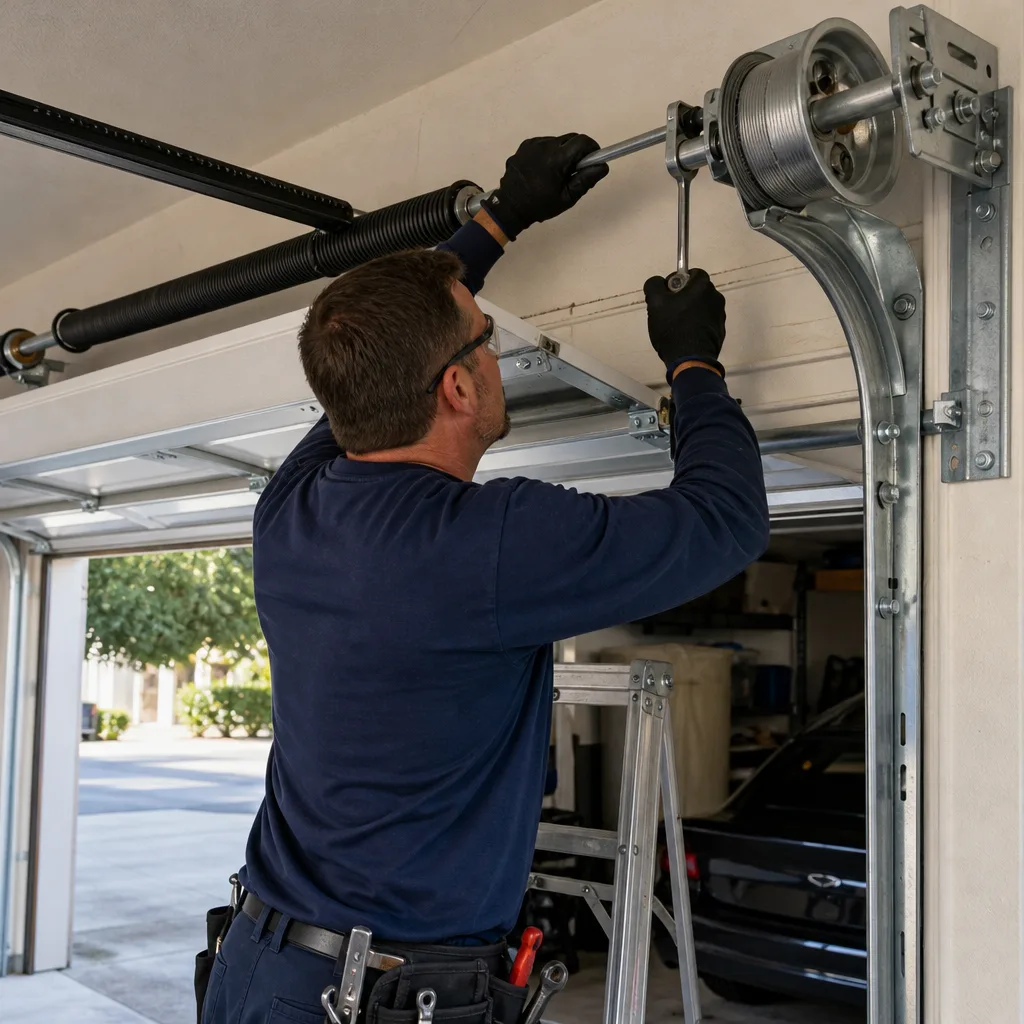
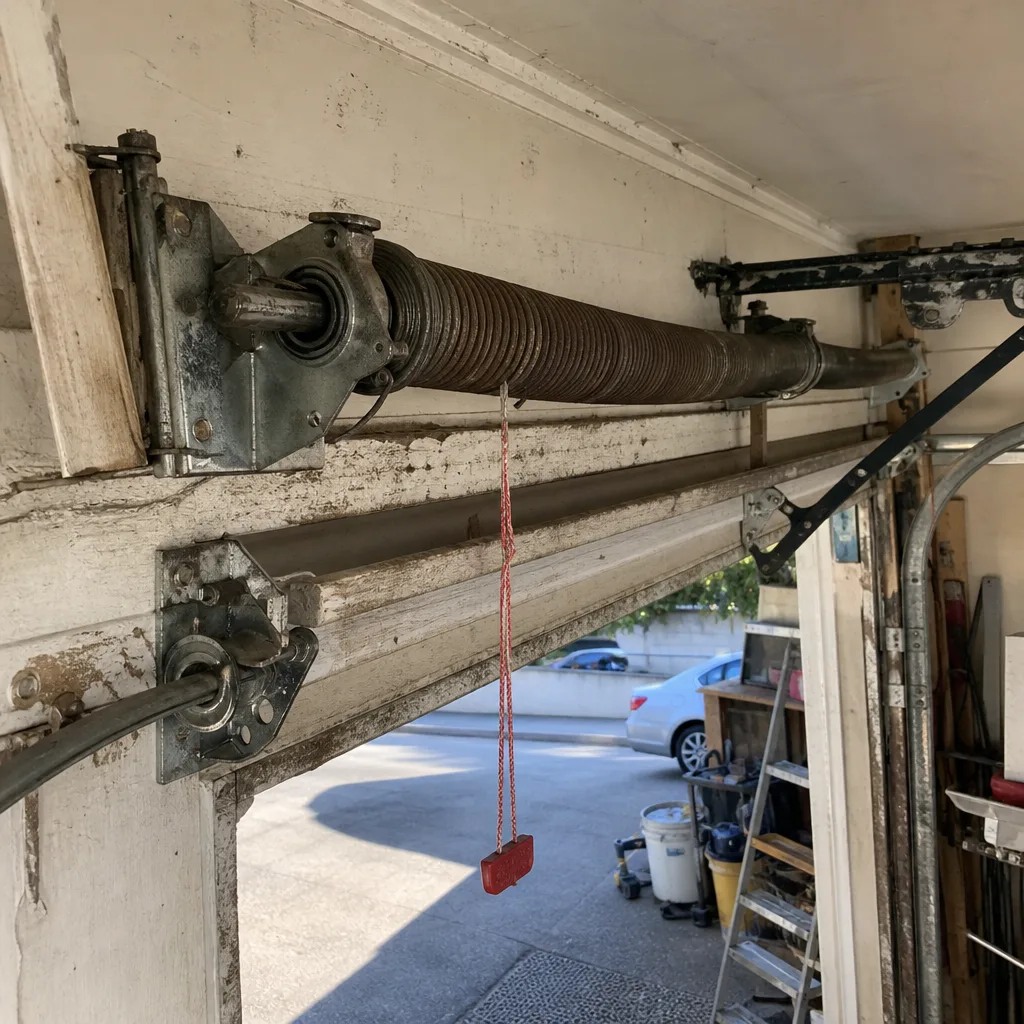
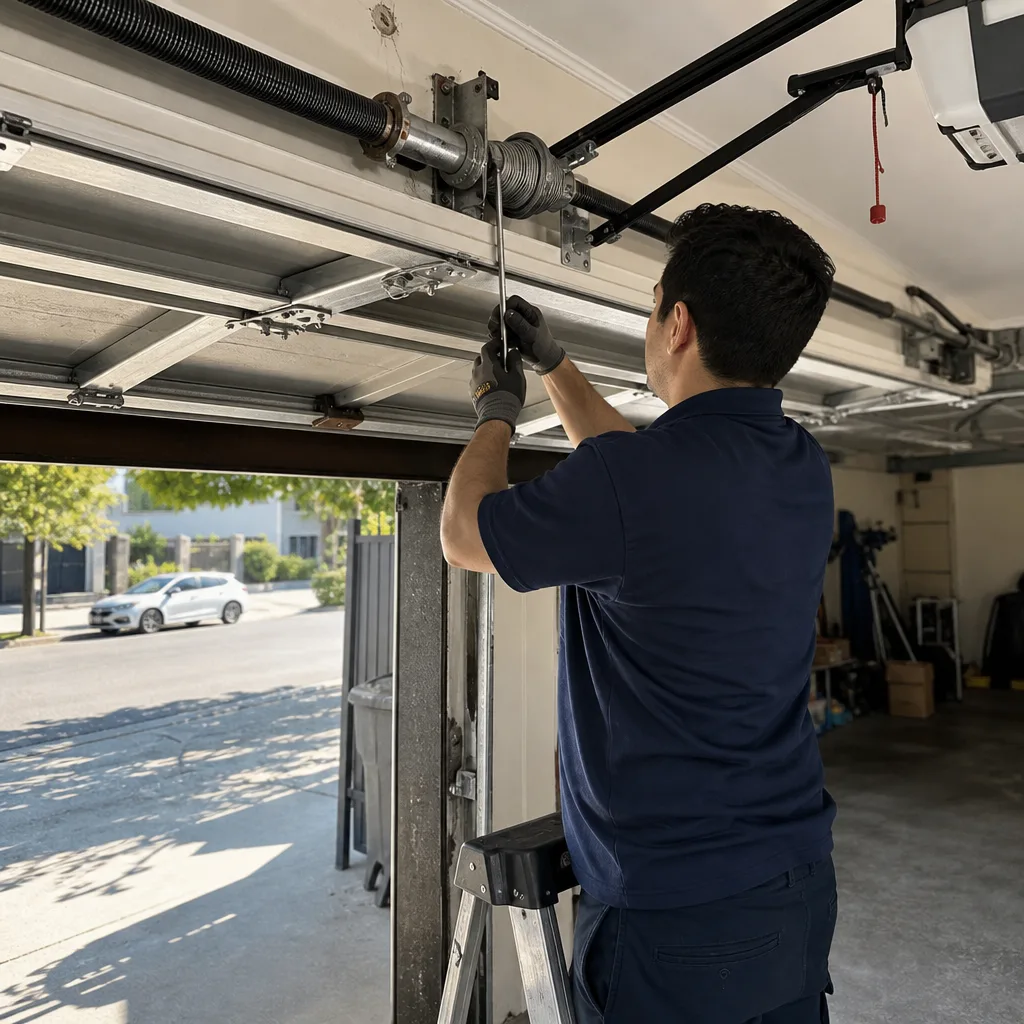
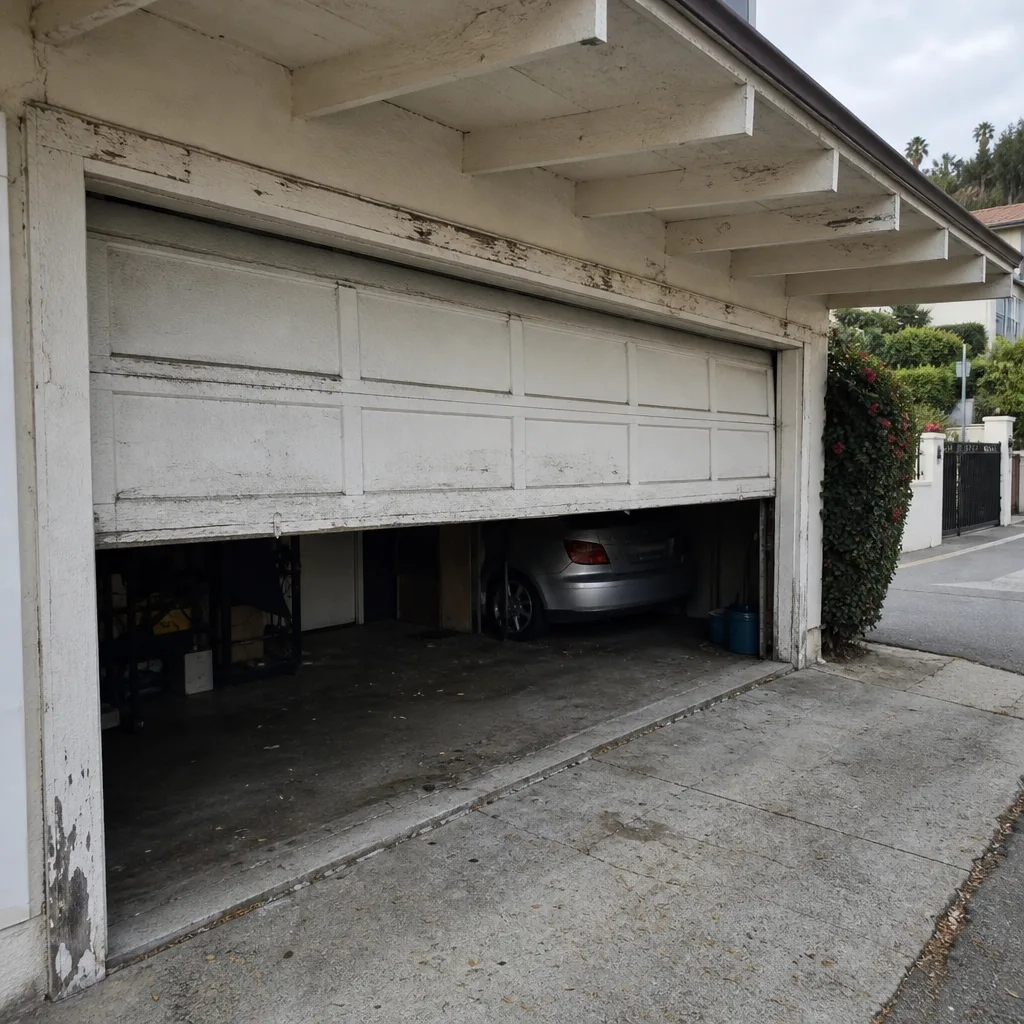
See the difference
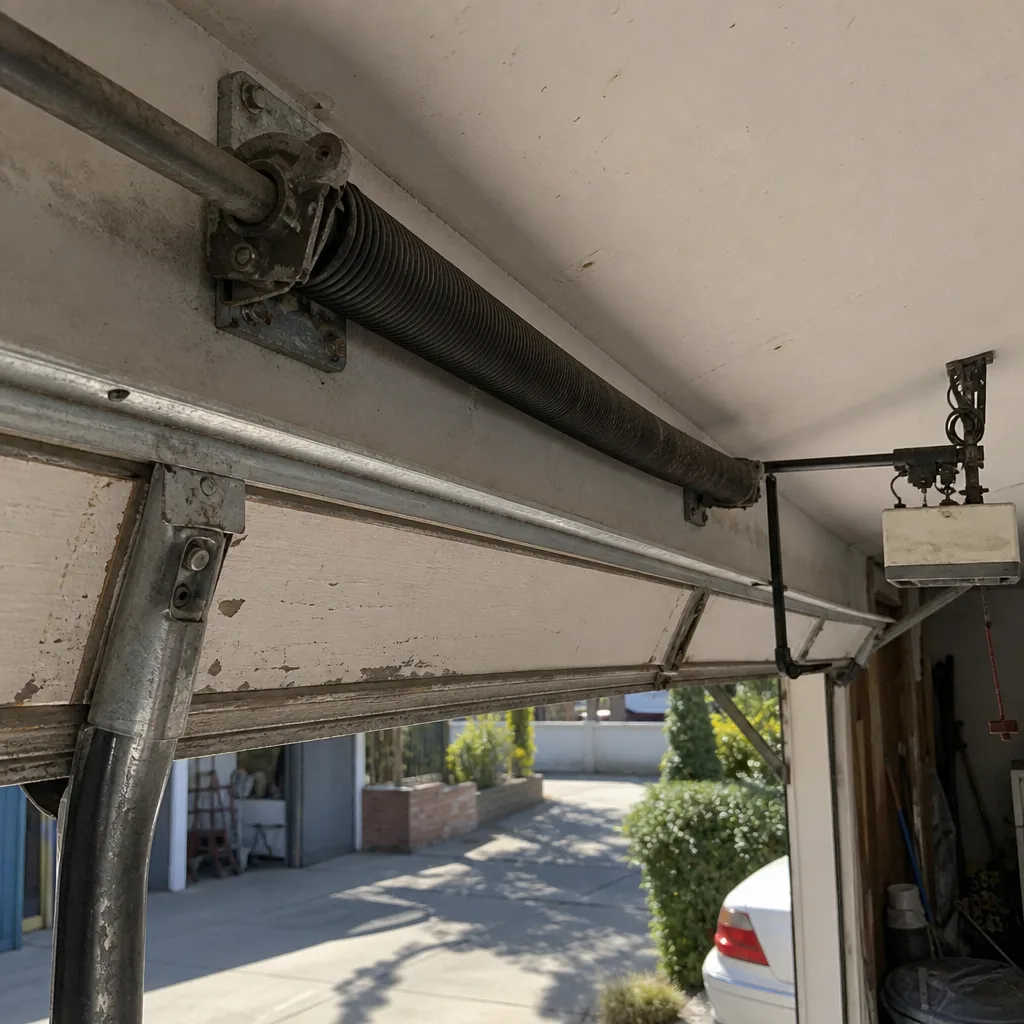 Before
 After
 Before
 After
 Before
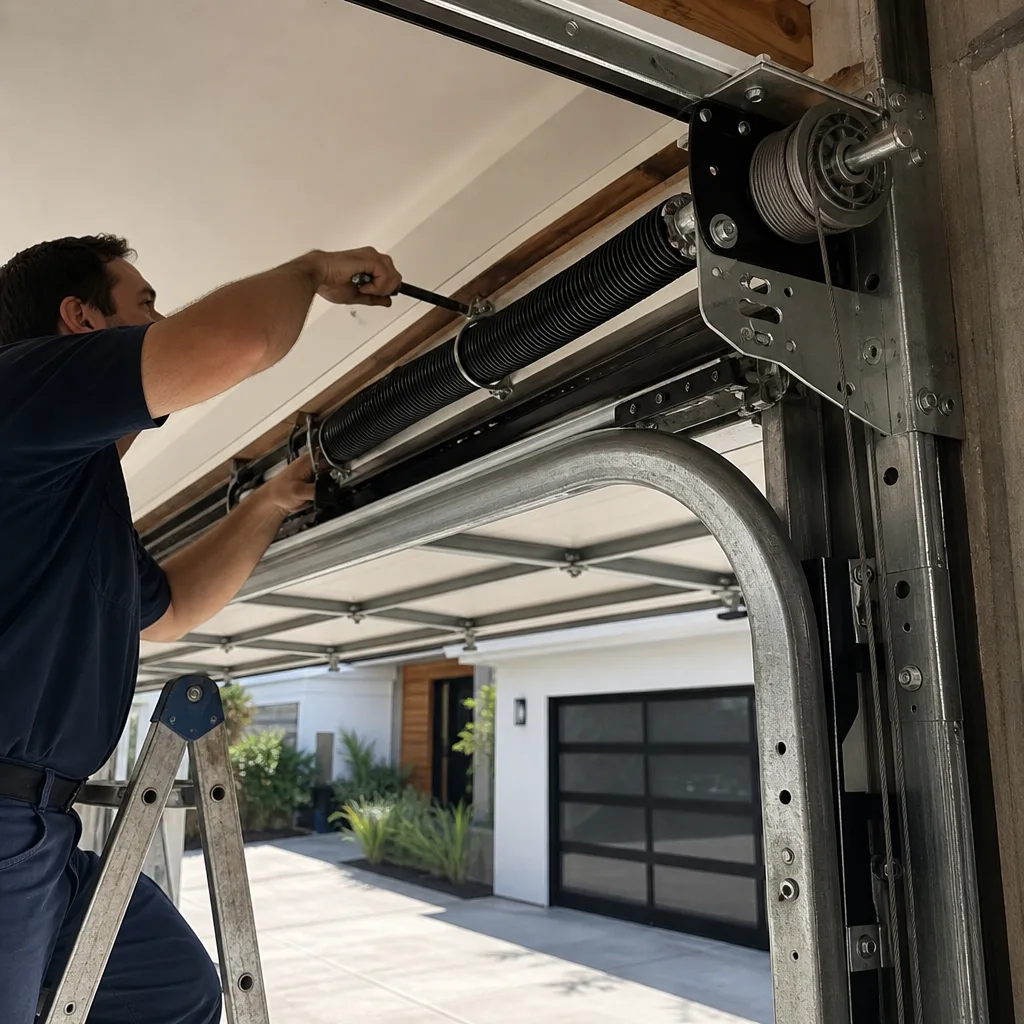 After
When to Call a Professional
There are situations where calling a professional is not optional. If your door is stuck open and won’t close, your home is exposed and that’s a security issue. If the door is stuck closed and you need your car, that’s a daily-life problem. If you hear a loud bang from the spring area or see cables that are frayed or snapped, do not attempt to fix these yourself. Torsion springs under tension can cause serious injury, and cable failures create heavy, unpredictable door movements. If your opener is sparking, smoking, or making grinding sounds, that’s an electrical fault that requires professional diagnosis. Golden Bear Garage Door Repair offers free estimates in West Hollywood – call (833) 467-4118 and we’ll tell you what’s actually wrong before you commit to anything.
Frequently Asked Questions
Garage door service calls in West Hollywood typically start with a diagnostic fee that ranges from $75 to $125, which is usually credited toward the repair if you proceed. Spring replacement generally runs $180 to $340 per spring depending on the door weight and spring cycle rating, and full door replacement in this city typically falls between $1,200 and $3,800 depending on the door type, insulation, and installation requirements. Call (833) 467-4118 for an exact quote based on your specific door.
Simple repairs like spring, roller, or cable replacement do not require permits, but full door replacement or any work that modifies the garage opening structure generally does. Certain neighborhoods in West Hollywood also have design review requirements, especially for historic districts or HOA-governed properties. A contractor with local experience will tell you during the quote process whether your specific project triggers a permit.
The C-61/D28 classification is the California specialty license for door and gate work, meaning the holder has demonstrated knowledge of the mechanical systems, safety requirements, and code standards specific to garage doors and gates. A general building contractor (B license) can legally perform garage door work in some situations, but the D28 classification indicates focused training and experience in this specific trade. Ask for the classification number and verify it on the CSLB website.
In most cases, yes. If the repair requires standard parts like springs, rollers, or cables, a well-stocked contractor can often complete the repair in one visit. Jobs that require ordering a specific panel or custom door section may take longer. Call (833) 467-4118 to describe your situation and get a realistic timeline before scheduling.
Installing incompatible hardware on a garage door opener can void the manufacturer’s warranty, and this happens more often than it should. Ask your contractor whether the parts they’re using are compatible with your specific opener brand and model. A contractor with hands-on experience across LiftMaster, Chamberlain, and other major brands will be able to confirm compatibility in writing before work begins. If you’re weighing a full replacement, our Choosing the Right Garage Door Brand: A Buyer’s Guide for West Hollywood breaks down what to look for.
A legitimate contractor quotes a price that includes what they can see during the diagnostic visit. If the scope of work expands because additional problems are discovered during repair, the contractor should stop and get your approval before proceeding with the additional work. The price should never “silently” increase at the end. Get the quote in writing and confirm that any changes require your sign-off.
The Bottom Line
Hiring a garage door contractor in West Hollywood comes down to checking the right license classification, verifying insurance and bonding that covers this specific city, asking diagnostic questions before accepting a quote, and getting everything in writing. West Hollywood’s independent city status makes the permitting and aesthetic rules different from surrounding LA, and a contractor who doesn’t know those rules risks causing delays you didn’t budget for. The contractor you hire should be able to name the brands they service, explain their diagnostic process, and provide a written estimate with specific parts and labor broken out. If they can do all of that, you’ve found a professional. If not, keep looking – or call Golden Bear Garage Door Repair at (833) 467-4118 and let us show you what a proper diagnostic looks like. Explore more guides & resources on our blog.
Written by the team at Golden Bear Garage Door Repair, serving West Hollywood since 2016.