
Last updated October 31, 2026
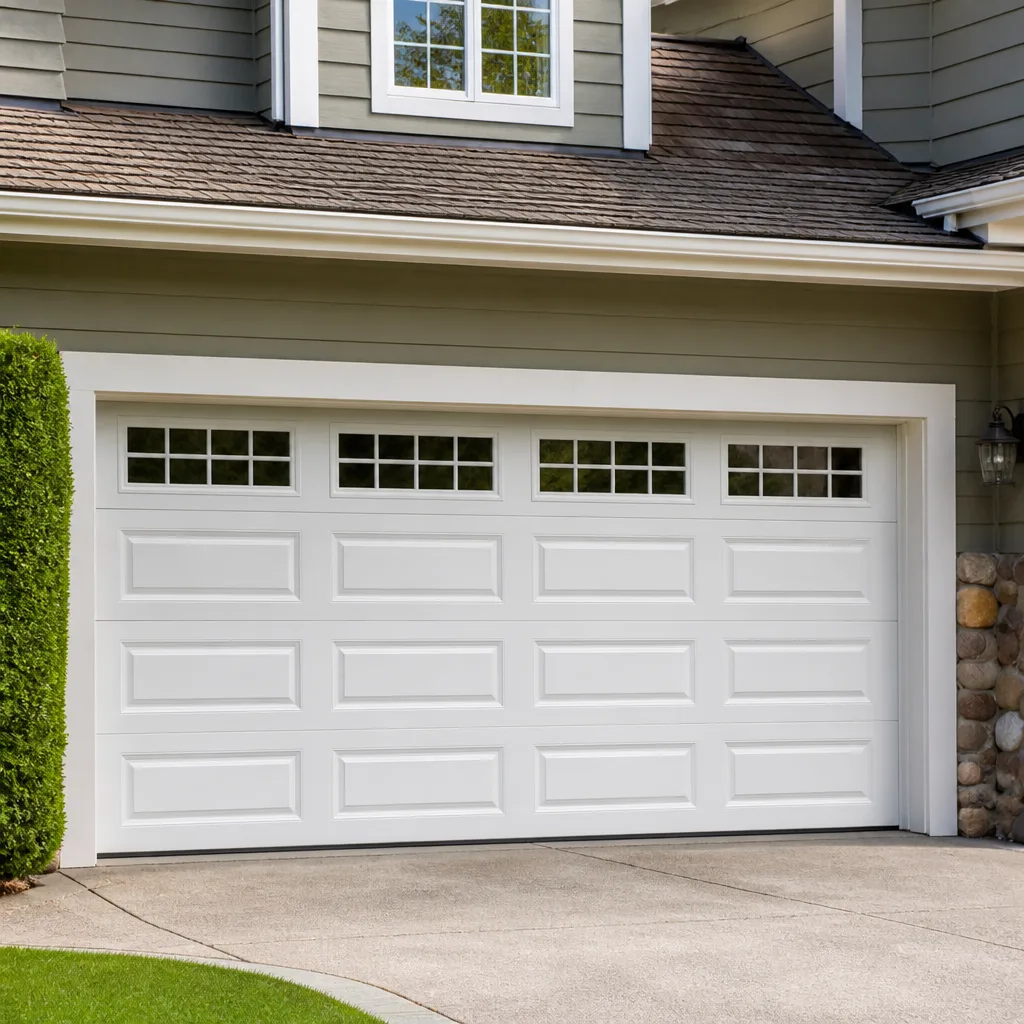 Raised-panel steel
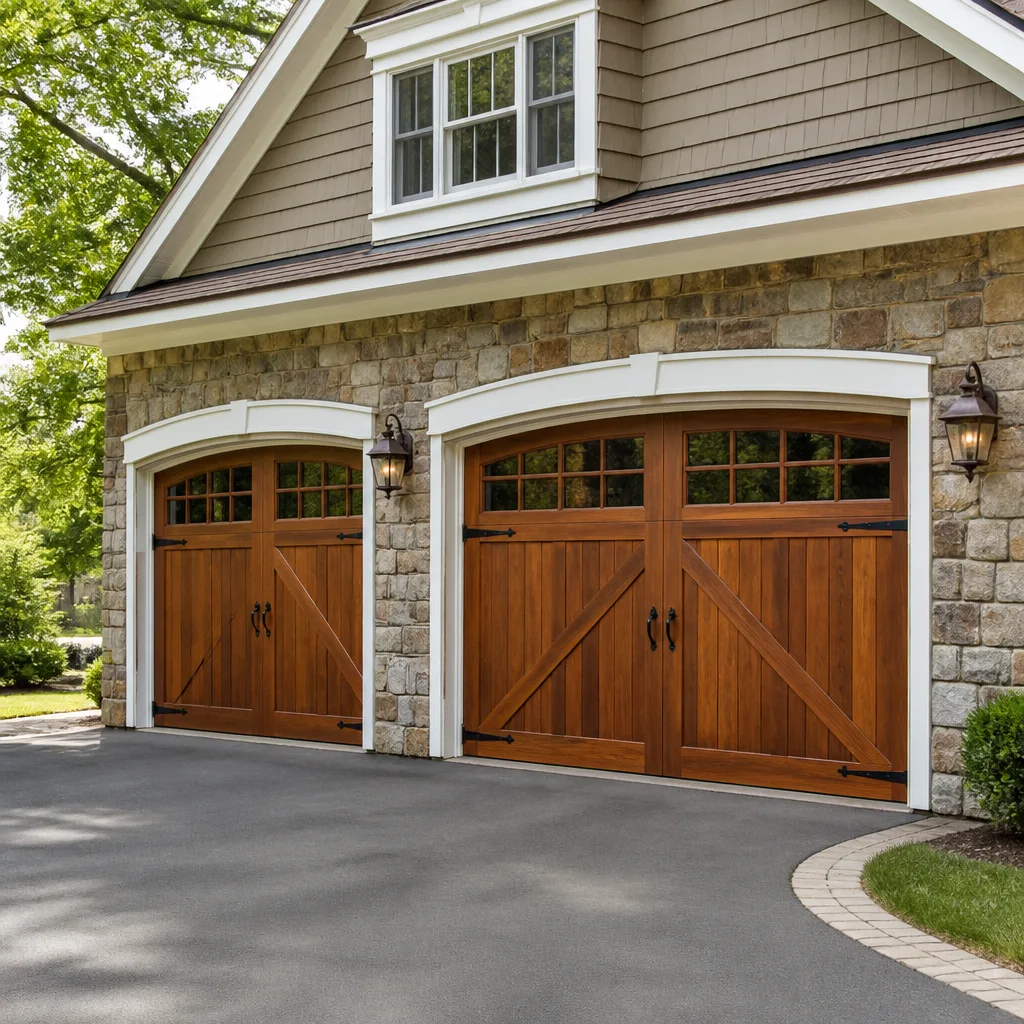 Carriage house
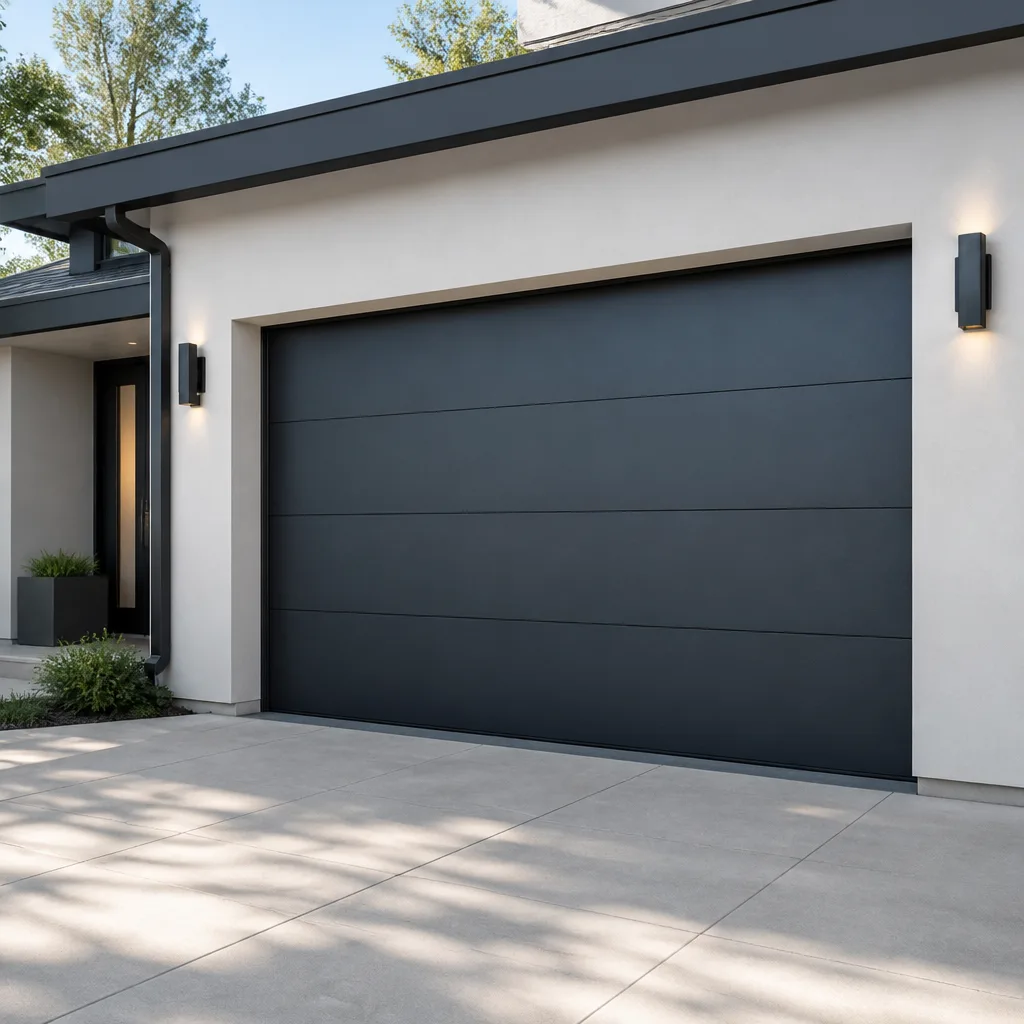 Modern flush
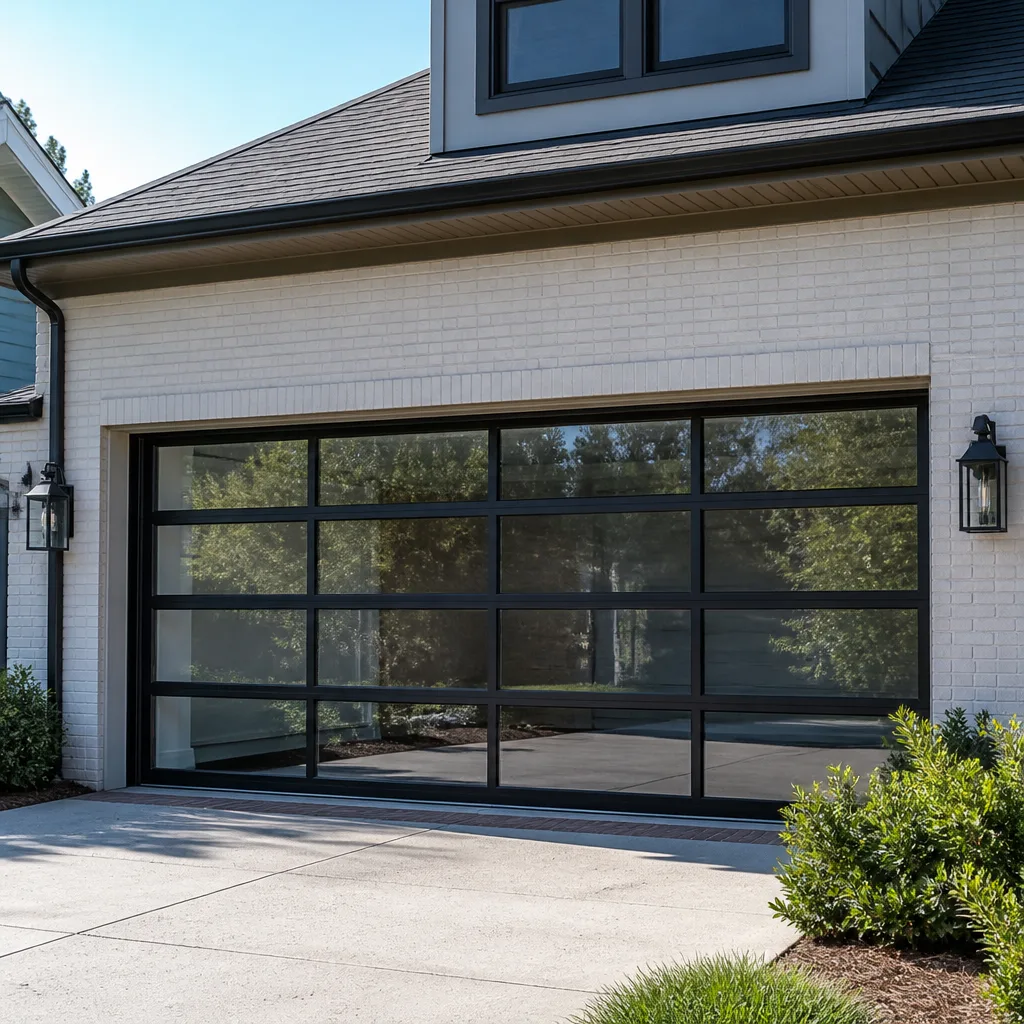 Full-view glass
 LiftMaster openers
 Chamberlain openers
Full 25-point door and opener safety check with every visit - springs, cables, rollers, tracks, and your LiftMaster or Chamberlain opener included
You get a price before we start. It does not change when the truck arrives.
Get your free estimateGarage Door Repair Maintenance Checklist for West Hollywood Homeowners
Alley-facing garage doors in West Hollywood accumulate grime, moisture, and micro-impact damage at a rate roughly double what a street-facing door in a drier inland city does. Yet most homeowners pull the same annual check-in from a national home improvement site and wonder why their door sounds like it’s chewing gravel by year three. This guide is different. It’s calibrated to the specific failure patterns we see across West Hollywood every week: marine-influenced air, mature ficus roots, sloping alleys, and doors that cycle four or five times a day because street parking isn’t a thing here. You’ll learn what to check, when to check it, what products actually work, and what information to document before you pick up the phone.
Styles & brands we work with
Quick Answer
A proper garage door maintenance routine in West Hollywood means a 15-minute visual and mechanical check every three months, targeted cleaning of corrosion-prone parts twice a year, and a professional inspection of springs, cables, and opener force settings once a year. The most important tasks specific to this area are cleaning salt-tinged grime off track hardware, checking pitting on spring coils, and monitoring bottom-seal wear on alley-loaded doors. Golden Bear Garage Door Repair services all major brands including LiftMaster, Chamberlain, Genie, Clopay, Amarr, Wayne Dalton, Craftsman, and Raynor, and we offer free estimates across West Hollywood.
Table of Contents
- The Quarterly West Hollywood Maintenance Checklist
- Coastal Corrosion: What to Inspect Within 15 Miles of the Coast
- Alley-Facing Door Wear Patterns Most Guides Miss
- Ficus, Pepper Trees, and Root-Driven Track Misalignment
- Lubrication Products: Exactly What to Use and Where
- Document Before You Call: The 10-Minute Diagnosis Prep
- Common Mistakes to Avoid
- When to Call a Professional
- Frequently Asked Questions
- The Bottom Line
The Quarterly West Hollywood Maintenance Checklist
Most national guides tell you to inspect your garage door once a year. That advice falls apart in West Hollywood, where the combination of coastal humidity, daily cycling, and alley debris means small problems become structural failures faster. We recommend a 15-minute quarterly check that runs through the following items in order. You don’t need special tools for most of it. A flashlight, a clean rag, and a step stool cover ninety percent of what’s below.
The 15-Minute Quarterly Check
- Close the door and look at it from the street or alley. Stand about ten feet back. Is the door sitting level in the opening? A door that hangs lower on one side is a clearance or spring issue that will worsen with every cycle.
- Watch and listen through one full open-and-close cycle. Count any jerks, hesitations, or grinding sounds. Note where in the travel they happen: first third, middle, or final approach. This detail helps a technician pinpoint the problem without a second visit.
- Check all four rollers where they meet the track. Look for visible wear on the roller face, any wobble, and any gap between the roller and the track wall. In West Hollywood alleys, rollers take side-loading punishment from uneven pavement vibration.
- Run your hand along the bottom seal at floor level. Look for flattened sections, tears, or spots where the seal no longer touches the concrete. A failed bottom seal in West Hollywood means more than a draft: it’s an entry point for the fine silt and leaf debris that jams track hardware.
- Inspect the spring area visually from a safe distance. Use a flashlight. Look at the coil surface for brown discoloration, white powdery oxidation, or pitting. Do not touch springs or cables. Torsion springs on doors from Clopay, Amarr, Wayne Dalton, and Craftsman doors all live under enough tension to cause serious injury if mishandled.
- Test the auto-reverse safety feature. Place a 2×4 flat on the floor in the door’s path and close the door. It should reverse within two seconds of contact. If it doesn’t, stop using the door and call a professional. This is a safety system, not a convenience.
- Check the opener’s force settings indirectly. Close the door and place your hand against it as it travels downward. It should stop or reverse with firm but not aggressive pressure. An opener from LiftMaster, Chamberlain, Genie, or Craftsman that’s set too forceful will compound wear on every other component.
Do this quarterly and you’ll catch most issues before they turn into a service call. When something does fail, whether it’s a door panel, an opener, or the spring system, one call covers it. Our team at Golden Bear Garage Door Repair home handles doors, openers, and full installations without referrals or subcontracting.
Coastal Corrosion: What to Inspect Within 15 Miles of the Coast
West Hollywood sits far enough from the beach that you won’t see the heavy salt-crust corrosion of a Hermosa Beach or Venice door. But you’re close enough that marine air carries a fine, lightly saline moisture through the Sepulveda Pass and across the basin. That moisture condenses on metal overnight, dries during the day, and leaves behind a micro-thin residue that attacks exposed hardware. In our experience, the failure trends in West Hollywood are less visible than beach-city rust but more insidious because nobody notices them until a component lets go.
Specific Corrosion Inspection Points
- Spring coil pitting. Look at the torsion spring surface under a flashlight. Pitting appears as small dark spots or tiny craters in the metal. This is not cosmetic. Pitted springs lose tensile strength at those points and develop stress fractures over time. A spring that fails catastrophically is the number one cause of emergency garage door service calls in West Hollywood.
- Track oxidation at bolt junctions. The vertical and horizontal track sections bolt together at joints. Those junctions trap moisture and develop rust first. Light surface rust is manageable. Flaking rust or rust that has eaten through the bolt hole means the track section should be replaced.
- Cable end fittings. The steel cables that work with your springs terminate in small metal sleeves. These are the most corrosion-prone parts on the entire door because they’re small, they’re under constant tension, and they sit in the most humid part of the system. A cable that snaps while the door is open can cause the door to crash down with serious force. If you see any rust or fraying at the cable ends, do not operate the door. Call a professional.
- Roller bearing surfaces. Unsealed steel rollers develop surface rust on the bearing that rides inside the track. This rust acts as an abrasive, grinding down the roller and the track surface simultaneously. West Hollywood’s humidity accelerates this compared to inland areas like Garage Door Repair in Burbank where dry heat changes the failure profile entirely.
The fix for corrosion is often simple: remove the contaminated component, clean the area, replace the part if structural integrity is compromised. But the diagnosis matters more than the replacement. A technician who treats corrosion without identifying its source will be back in six months for the same repair.
Alley-Facing Door Wear Patterns Most Guides Miss
A meaningful percentage of West Hollywood homes load their garage from a rear alley rather than the street. That’s a different environment with different physics. Alley surfaces are older concrete, often cracked and uneven, and they’re used by delivery trucks, trash haulers, and constant car traffic. Every vehicle that passes your garage sends vibration through the slab and into the door track hardware. Over time, that vibration loosens brackets, shifts track alignment, and creates side-loading on rollers.
Here’s what to look for on an alley-facing door that a street-facing door in a quieter neighborhood may not develop:
- Bottom seal degradation on schedule, not on condition. The bottom seal on an alley-facing door in West Hollywood takes direct abuse from loose gravel, accumulated silt, and the occasional recycling bin that gets shoved too close. If your door faces an alley, plan to replace the bottom seal every two to three years regardless of how it looks at a glance. A seal that’s compressed flat looks fine but no longer seals.
- Roller side-loading. Stand inside the garage with the door partially open and look at the rollers where they sit in the track. On alley doors, you’ll often see the roller stem angled slightly against one side of the track rather than running centered. This is a sign the track has shifted out of perpendicular alignment due to slab movement. If you catch it early, a track adjustment usually resolves it. If you wait, the roller wears unevenly and the track surface gets damaged.
- Header bracket stress. The header bracket is the metal plate that anchors the torsion spring assembly to the wall above the door. On alley-facing doors, vibration from passing trucks travels up the track and concentrates force at this bracket. Check for visible movement where the bracket meets the wall, cracked drywall around the mounting bolts, or any gap between the bracket and the wall surface. A loose header bracket is a structural issue that can cause the entire spring assembly to shift under load.
If you live on a street-facing lot in West Hollywood instead of an alley-loaded one, your door faces a different set of conditions, often direct sun heat on the door panels in the afternoon. Both environments need attention, but the attention is not the same. A good technician asks which side of the property your garage opens onto and adjusts the inspection accordingly.
Ficus, Pepper Trees, and Root-Driven Track Misalignment
West Hollywood’s mature tree canopy is one of the city’s defining features, and it’s hard on garage infrastructure. The ficus trees that line so many residential streets shed aggressively year-round with a concentrated drop in late spring. Pepper trees drop fine, papery leaves and small berries. Both end up in the same places: the track channels, the bottom seal groove, and the spaces around the door jambs.
Debris in the track is a friction problem. Friction makes the opener work harder, which shortens opener life on a LiftMaster or Chamberlain unit just as predictably as it wears roller bearings on the door itself. But the more serious issue is what happens below the surface.
Ficus and pepper trees both have aggressive, shallow root systems. In West Hollywood’s compacted soil, those roots follow water lines, sewer laterals, and the perimeter of concrete slabs, including garage aprons. When a root grows under the edge of your garage slab, it can lift the concrete a fraction of an inch and shift the entire door frame out of square. You’ll notice it as a door that starts rubbing on one side, a bottom seal that no longer sits evenly on the floor, or a visible gap that appears at one top corner while the opposite corner binds.
What to Do When Tree Growth Is a Suspect
- Check the apron slab outside the door. Look for a hairline crack running parallel to the door line. This often grows slowly over several seasons as a root thickens underneath.
- Measure the reveal on both sides of the closed door. The gap between the door edge and the jamb should be within a quarter inch on both sides. A difference bigger than that suggests frame shift, not a door panel issue.
- Note whether the door has started scraping against the track at a specific travel point. This often means one section of the track has moved out of position relative to the door’s travel path, a classic root-shift signature.
In our experience, doors on Clopay and Amarr residential doors are no more or less susceptible to frame shift than any other brand. The vulnerability comes from the concrete under the frame, not the door itself. The repair starts with re-aligning the track and door to the current frame position, then adjusting the opener’s travel limits on systems from LiftMaster, Chamberlain, or Genie to match the corrected geometry. If you’re seeing this pattern, we’d rather diagnose it early than replace a door that doesn’t need replacing.
Lubrication Products: Exactly What to Use and Where
The single most common mistake in DIY garage door maintenance is using the wrong product. WD-40 is a solvent and water displacer, not a lubricant. Spraying it on rollers, hinges, or springs quiets the noise for a few days, then washes away whatever factory grease remained and leaves the metal drier than before. In West Hollywood’s humid air, that dry metal then rusts faster. So let’s be specific about products and placement.
What to Use
- Lithium-based white grease for the torsion spring coils and the bearing plates at each end of the spring bar. Apply a thin coat to the spring surface. Do not over-apply; you want coverage, not drips.
- Silicone-based spray lubricant for roller bearings, hinges, and the track interior. Silicone resists the moisture absorption that makes petroleum-based products degrade quickly in West Hollywood’s climate. It also doesn’t attract dust the way oil-based products do.
- Dry film lubricant for lock mechanisms and any exposed metal-to-metal pivot points where attracting grime is a concern. A dry film goes on wet and dries to a slick, non-tacky coating.
What to Avoid
- WD-40 and similar penetrating oils. They strip grease and leave surfaces vulnerable.
- Heavy bearing grease on rollers. It collects the fine dust that drifts into West Hollywood garages and turns into a grinding paste.
- Motor oil or 3-in-1 oil. These are too thin, break down quickly, and drip onto the door surface.
Quarterly Lubrication Routine
- Open the door fully and disconnect the opener using the manual release cord so the door stays in place.
- Apply silicone spray sparingly to each of the four to six hinges along the door’s interior face, one short burst per hinge pin.
- Apply silicone to each roller bearing where the wheel meets the stem. If your rollers are sealed nylon, skip the bearing and spray only the stem pivot.
- Run a clean rag along the interior of both vertical tracks and the horizontal track sections to remove accumulated dust before lubricating. Lightly spray the track interior where the rollers travel.
- Apply lithium grease in a thin, even line along the torsion spring coils. This reduces friction between coils and slows corrosion.
- Reconnect the opener and run the door through two full cycles to distribute the product.
This routine takes under ten minutes once you know where everything lives. It’s the single highest-leverage maintenance task a homeowner can perform, and it directly extends the life of whatever door you have, from a Wayne Dalton to a Craftsman to systems we service every week across West Hollywood.
Document Before You Call: The 10-Minute Diagnosis Prep
When a door starts misbehaving, most homeowners call with a vague summary: “It’s making a weird sound.” That’s a fair description, but it doesn’t help a technician solve the problem efficiently. A better starting point is five pieces of documentation that take about ten minutes to gather and can cut a diagnostic call from 45 minutes to 10 minutes. We’d rather spend that saved time fixing the issue than figuring out which issue we’re fixing.
What to Document
- Brand and approximate age of the door and the opener. The door brand is often stamped on a metal plate near the hinges or on the interior panel surface. The opener brand is on the motor housing. LiftMaster and Chamberlain units look similar but have different parts and interface details. If you can’t find the model number, just the brand name helps.
- Where in the travel cycle the problem occurs. Does the grinding happen in the first third, the middle, or the final approach? Does the door hesitate at a specific spot? Does the opener reverse on its own only at a certain point? Note it precisely.
- What sound it makes and when. A high-pitched squeal is a roller or hinge issue. A low grinding is often track or spring bearing. A quick bang when the door starts moving usually means a slack cable or a spring issue. Use your phone to record a 10-second video with sound. That clip is more useful than any verbal description.
- What has happened recently that might be relevant. Did a delivery truck hit the bottom panel? Did someone back into the door? Is there new construction on your block that’s been shaking the ground for weeks? These are not excuses; they’re diagnostic data.
- What repairs or adjustments have been done before. If a previous technician replaced a spring or adjusted track alignment, that history shapes what likely failed now. Doors that have had prior adjustments often indicate an underlying condition that needs more than a part swap.
Bring this documentation to the call and the conversation shifts from guesswork to specifics. That’s the same approach we apply to every job, whether it’s a full door installation or a focused Garage Door Opener Repair in Burbank-style opener diagnostic. The more precisely you can describe the problem, the more precisely we can solve it.
Common Mistakes to Avoid
- Using WD-40 as a lubricant. It’s a solvent. It dissolves the existing grease, quiets the noise temporarily, and leaves the metal exposed to the same humidity that’s already eating at your hardware. You’ll chase the noise monthly and wonder why it always comes back.
- Ignoring bottom seal wear until you see daylight. By the time you see light under the closed door, the seal has been failing for months. The gap has been letting in the fine dust and leaf litter that grinds down your rollers and collects in the track. On an alley-facing door in West Hollywood, a flattened seal often can’t be seen from street level. Check it from inside with the door closed.
- Spraying lubricant without cleaning first. Lubricating over a dirty track or hinge mixes the product with existing grit and accelerates wear. Always wipe down the surface with a dry rag before applying anything. A clean surface holds the right lubricant; a dirty one turns it into abrasive slurry.
- Attempting spring or cable work yourself. Torsion springs hold enough tension to cause severe injury or death if mishandled. The same goes for cables under load. This is not a money-saving opportunity, it’s a genuine safety hazard. No maintenance checklist should ever include spring replacement as a DIY task. Leave it to professionals who handle this daily, whether your door is from Clopay, Amarr, Wayne Dalton, or Craftsman.
- Adjusting the opener travel limits without checking the door balance first. An opener that seems to be traveling too far or not far enough is often masking a balance issue in the door itself. Changing the opener settings to compensate means the opener now fights a door it was never tuned for. Diagnose the door balance first. Then adjust the opener.
- Waiting to fix a small sound because the door still works. By the time a garage door fails visibly, the underlying issue has usually been progressing for weeks or months. Grinding that you can hear is friction that’s actively damaging components. A 10-minute inspection can identify the source before you’re standing in the driveway with a door that won’t open at 7 a.m.
- Skipping the quarterly check because the house is a rental. West Hollywood has a substantial rental population. Landlords and property managers often defer garage door maintenance until a tenant reports a failure, which means the repair is now an emergency and costs more. A quarterly check is cheaper than an emergency call, and it protects the property manager’s relationship with the tenant too.
When to Call a Professional
Some garage door issues are maintenance tasks. Some are not. If you hear a loud bang and the door stops moving, that’s a spring failure and it needs immediate professional attention. If the door is visibly crooked in the opening, hanging off-center, or grinding against the track at a specific point, that’s a structural alignment issue that worsens with every cycle. If the opener runs but the door doesn’t move, the problem is likely the drive gear inside the opener or a broken connection between the opener and the door; opening the motor housing yourself isn’t worth the risk. If the door reverses on its own for no apparent reason, it’s likely a sensor or force-setting problem, but it could also mean the door balance has drifted and the opener is fighting the weight to protect itself. That’s a professional diagnostic, not a homeowner adjustment. For a broader look at what to watch for, see our Garage Door Warning Signs: A West Hollywood Homeowner’s Reference Guide. Golden Bear Garage Door Repair offers free estimates in West Hollywood. Call (833) 467-4118 and we’ll assess the system, identify the actual problem, and quote you a price before any work starts.
Frequently Asked Questions
Every three months. The coastal humidity here means lubricants break down faster than in drier climates, and the dust from alley traffic reconstitutes quickly on tacky lubricant surfaces. A quarterly silicone and lithium application, following the routine in the checklist above, keeps components moving without attracting grime. If your door faces a street and doesn’t see heavy debris accumulation, you can stretch to every four months. Alley-facing doors should stay on the three-month schedule.
A professional inspection and tune-up in West Hollywood typically runs between $90 and $180 depending on the condition of the door, what needs adjustment, and how many components require lubrication or minor replacement. Parts like bottom seals and rollers add to the total if they’re worn. The exact price is always quoted and agreed before any work starts, and Golden Bear offers free estimates across West Hollywood. For Garage Door Repair, call (833) 467-4118 for a specific number on your door.
Yes, when the issue is within repair scope: broken springs, snapped cables, misaligned tracks, failed openers, and similar failures can often be resolved same day. We carry replacement parts for the most common systems in the area, including LiftMaster, Chamberlain, Genie, Clopay, Amarr, Wayne Dalton, Craftsman, and Raynor. For full door replacements or custom-ordained installations, the process takes longer because the door is measured and ordered to fit your opening. Either way, call (833) 467-4118 and we’ll tell you the honest timeline.
Morning squealing is usually moisture-related. Overnight condensation settles on metal components, and the first cycle of the day grinds that moisture into the bearing surfaces. In West Hollywood, where the marine layer rolls through regularly, this pattern is common. The real issue is usually that lubrication has worn thin, allowing metal-to-metal contact in the presence of that condensation. A thorough cleaning and proper lubrication of rollers, hinges, and spring coils usually eliminates the squeal within one or two cycles.
Disconnect the opener using the manual release cord, usually a red handle hanging from the track, and operate the door by hand. If the door opens and closes smoothly manually, the issue is likely in the opener’s drive system or force settings. If the door is heavy, binding, or sticking when moved by hand, the problem is in the door itself: springs, rollers, or track alignment. This test takes 30 seconds and saves a diagnostic visit. For deeper DIY guidance, see our Garage Door Repair Troubleshooting: Common Problems and How to Fix Them. If you’re unsure, call (833) 467-4118 and describe what you found; we’ll tell you which path makes sense.
Yes. We work with property managers and landlords across West Hollywood on individual single-car garages, tuck-under parking in older buildings, and alley-loaded multi-door setups. Rental properties see different wear patterns because multiple occupants cycle the door daily and often aren’t thinking about maintenance. We handle the same full scope on rental properties as we do on owner-occupied homes: door repair, opener repair, and full Garage Door Installation in Burbank-level replacement work when the existing door is beyond repair. For service across the broader region, you can also reach us through our Garage Door Opener Repair in Burbank page for opener-specific inquiries.
A well-maintained residential garage door in West Hollywood can last 20 to 30 years on the structure itself, with hardware replacement along the way: rollers every 5-7 years, bottom seals every 2-5 depending on alley exposure, and springs every 7-12 years depending on cycle count. What shortens that lifespan locally is the combination of coastal moisture accelerating hardware corrosion and heavy daily use on doors that cycle multiple times daily. Compared to a drier inland city, you’re looking at accelerated hardware replacement intervals even when the door panels themselves remain sound. The fix is a consistent quarterly inspection, not a replacement door.
We service and install door and opener brands including LiftMaster, Chamberlain, Genie, Clopay, Amarr, Wayne Dalton, Craftsman, and Raynor. That covers the vast majority of residential systems in West Hollywood and the surrounding area. Whether you have a Clopay door with a Chamberlain opener, an Amarr door with a LiftMaster opener, or a Wayne Dalton with a Genie, we can diagnose and fix it. No brand allegiance means recommendations are driven by what your system needs, not by what’s on our truck.
The Bottom Line
Garage door maintenance in West Hollywood is about patterns, not just parts. The door that faces an alley needs different attention than the door that faces a quiet street. The door under a mature ficus needs different attention than the door on a bare lot. The core routine is straightforward: a 15-minute quarterly check, proper lubrication with the right products, careful documentation of problems, and professional attention when springs, cables, or structural alignment are involved. For more guides & resources, visit our blog. Do that, and a garage door from any major brand, Clopay, Amarr, Wayne Dalton, or Craftsman, will serve reliably for two decades or more. Skip it, and you’ll be replacing hardware on an accelerated timetable and paying for repairs that never needed to happen.
If you’re in West Hollywood and want a professional to look at your door, document what you’re seeing, then call (833) 467-4118. We’ll give you a free estimate, quote the price before any work starts, and make sure the diagnosis is accurate before we ever pick up a wrench.
Written by the team at Golden Bear Garage Door Repair, serving West Hollywood since 2016.
See the difference
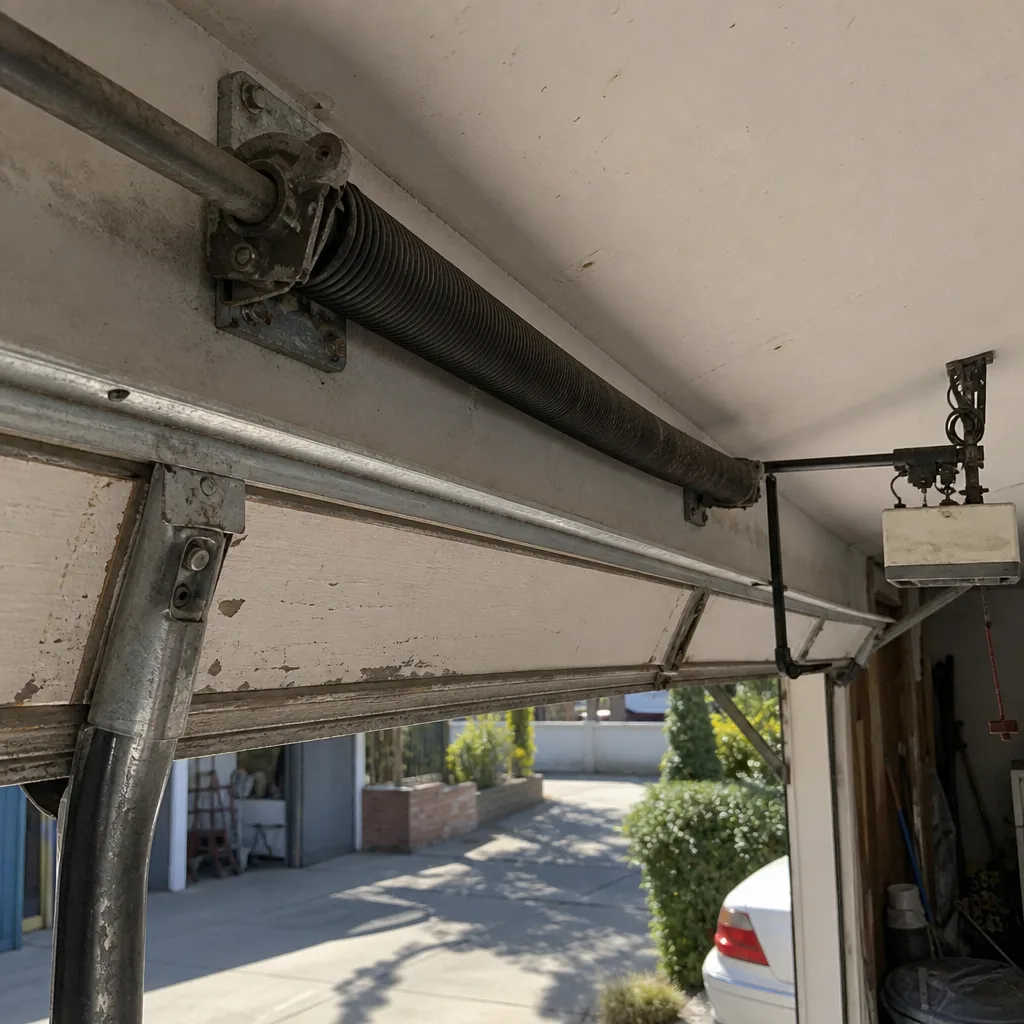 Before
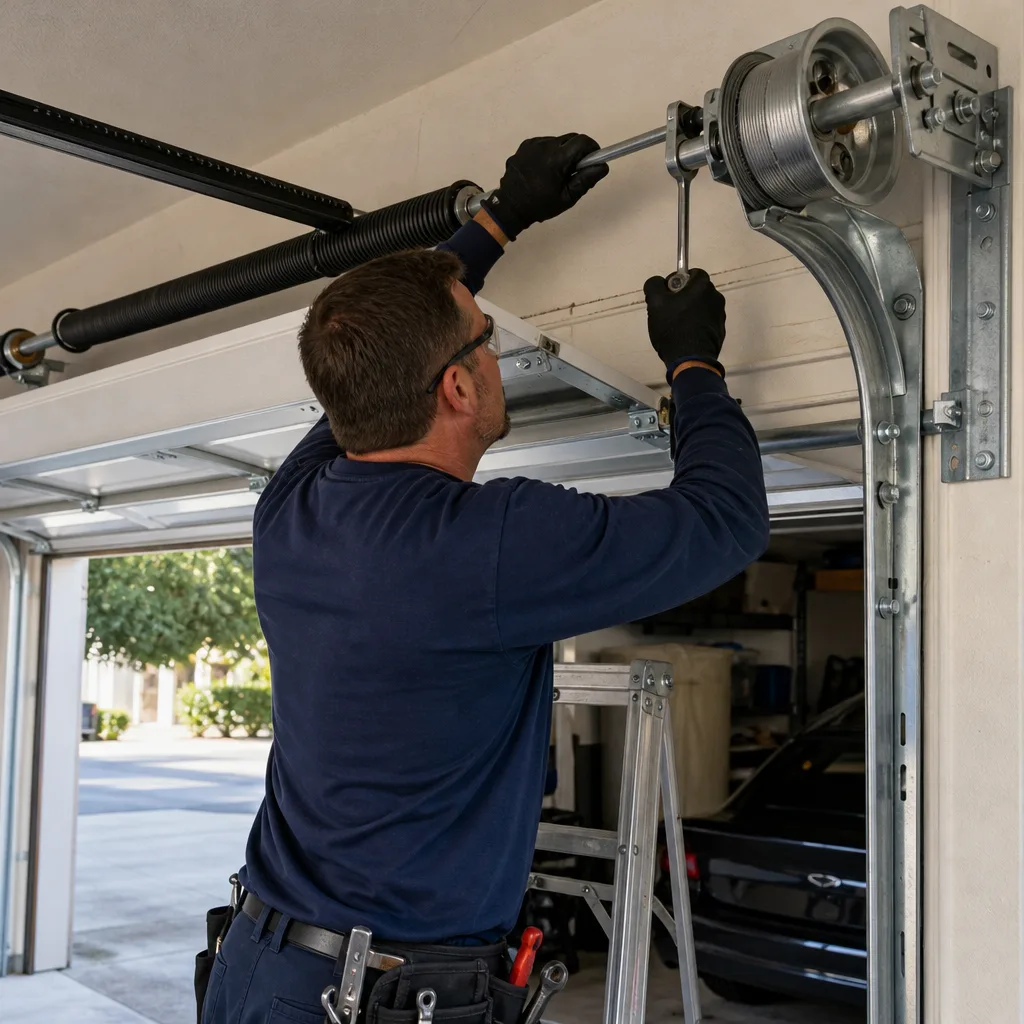 After
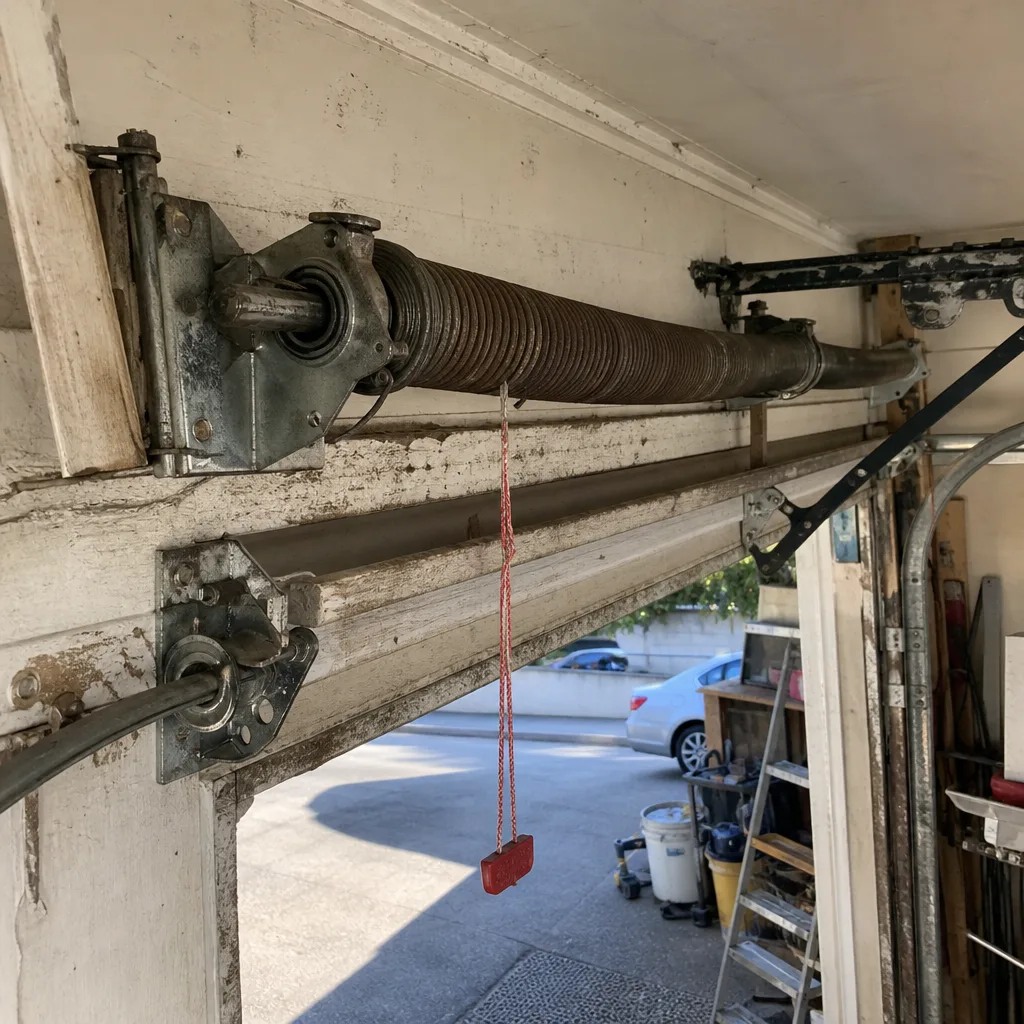 Before
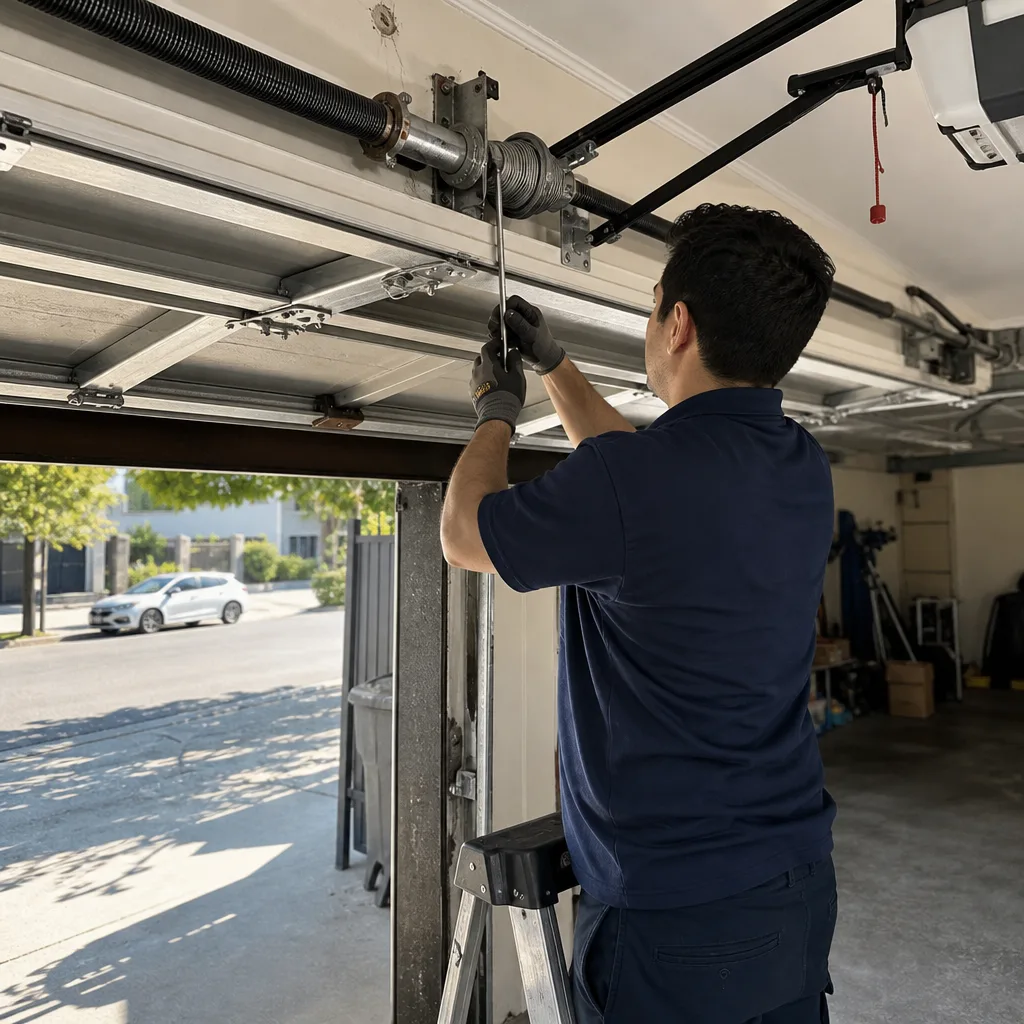 After
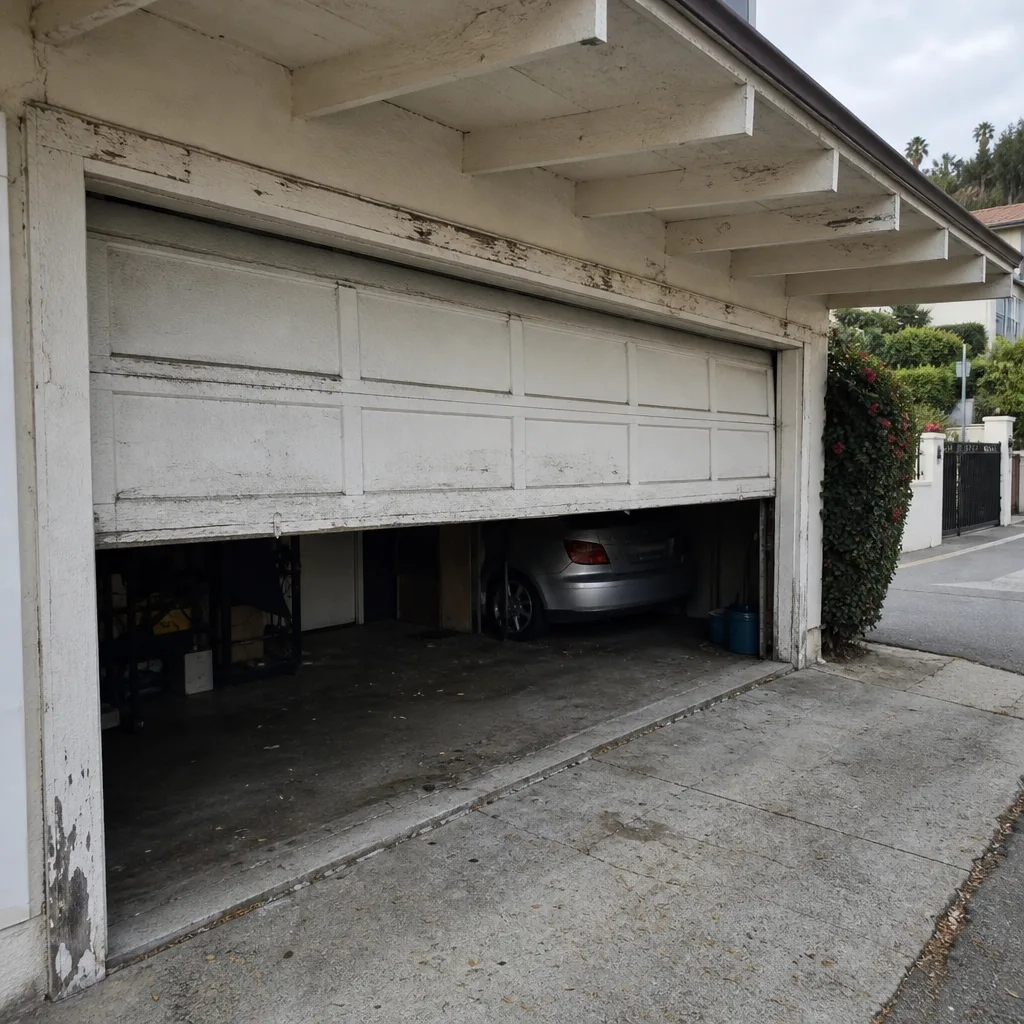 Before
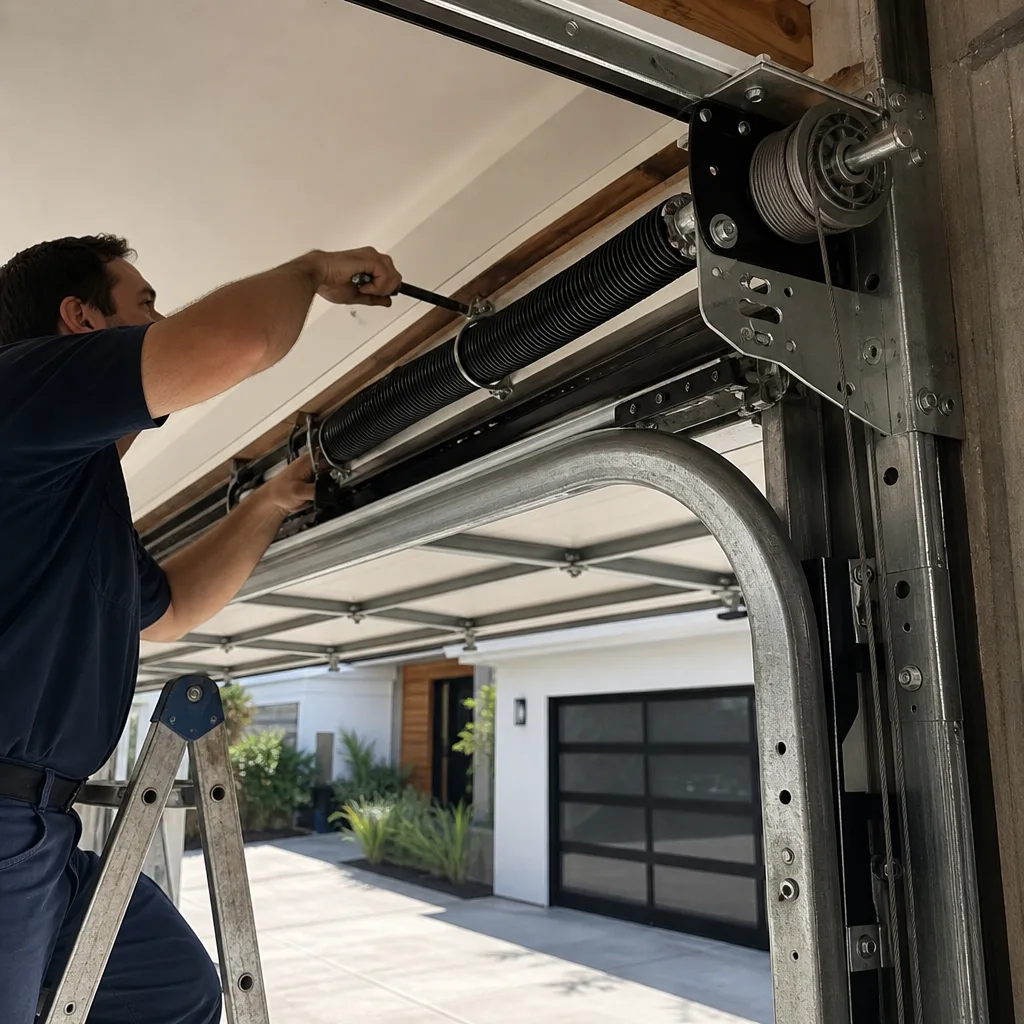 After