
Last updated October 31, 2026
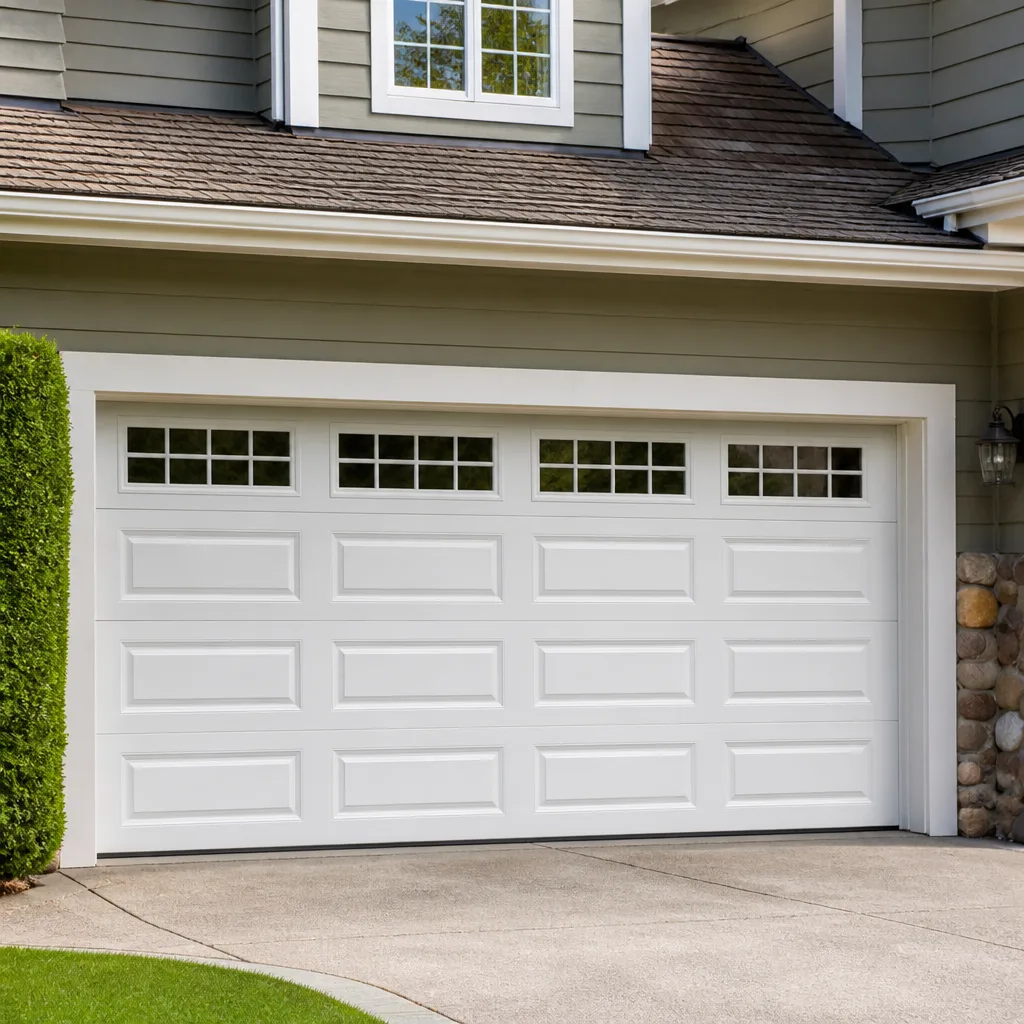 Raised-panel steel
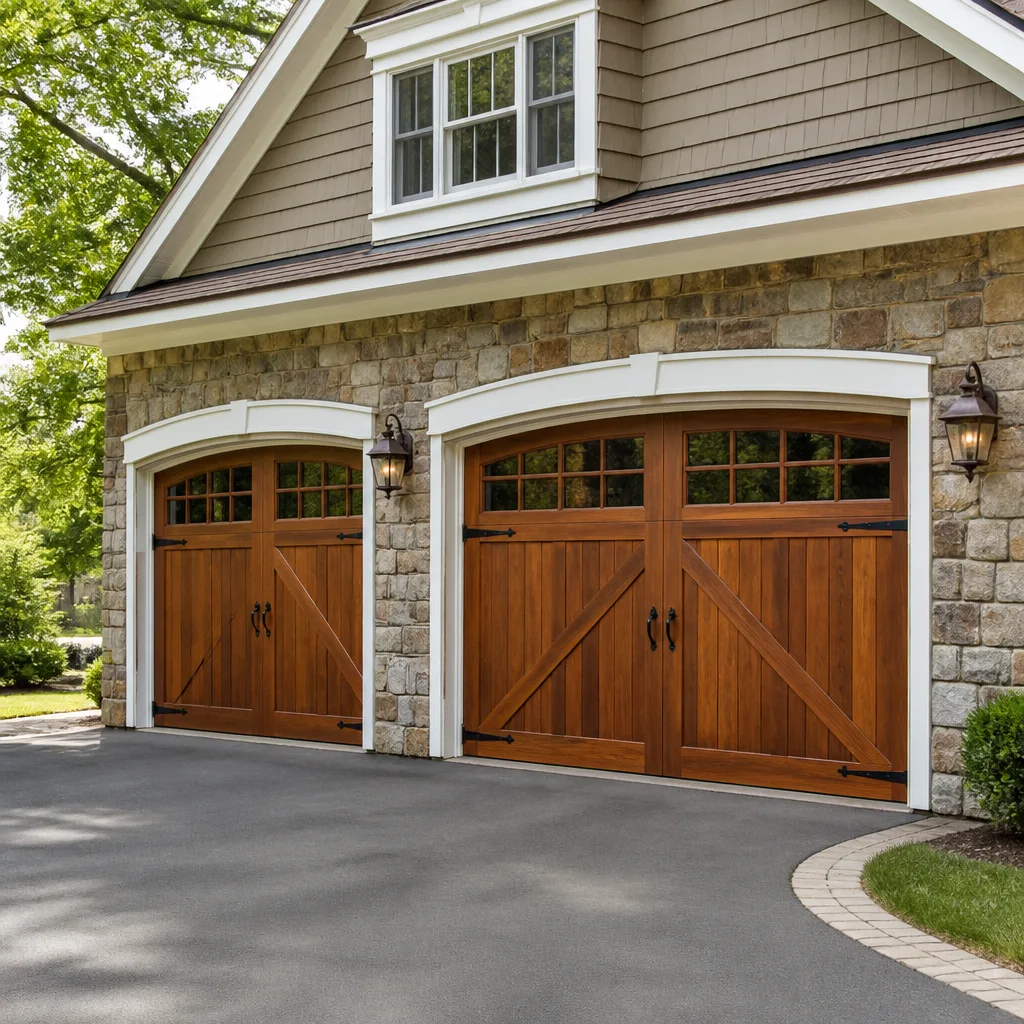 Carriage house
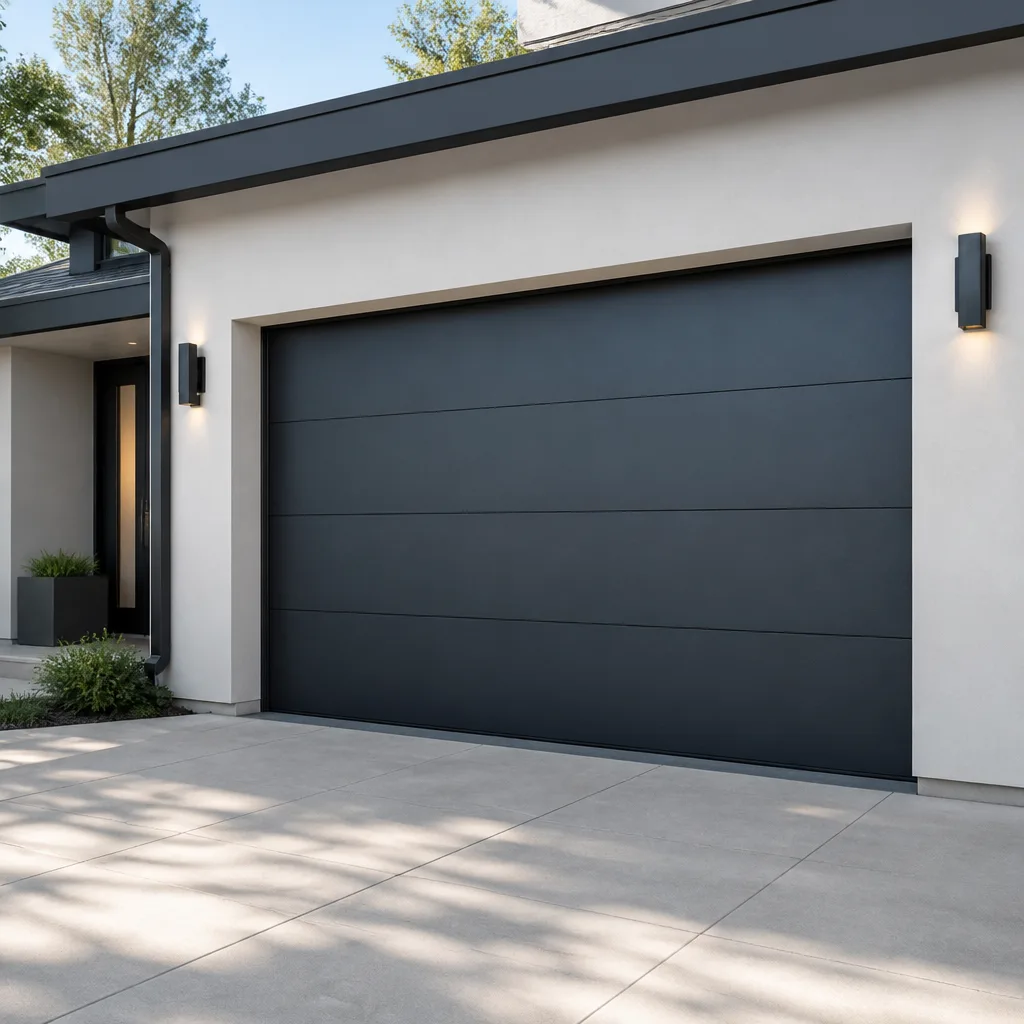 Modern flush
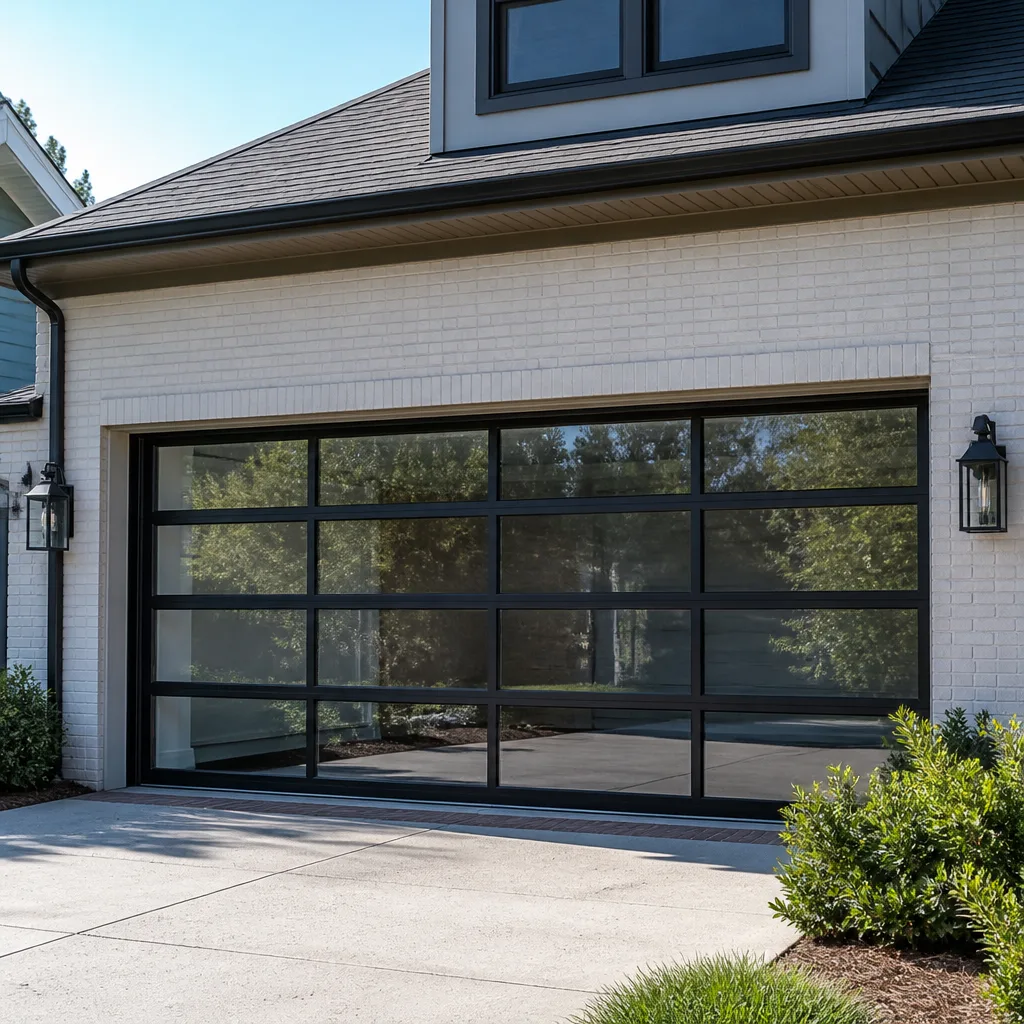 Full-view glass
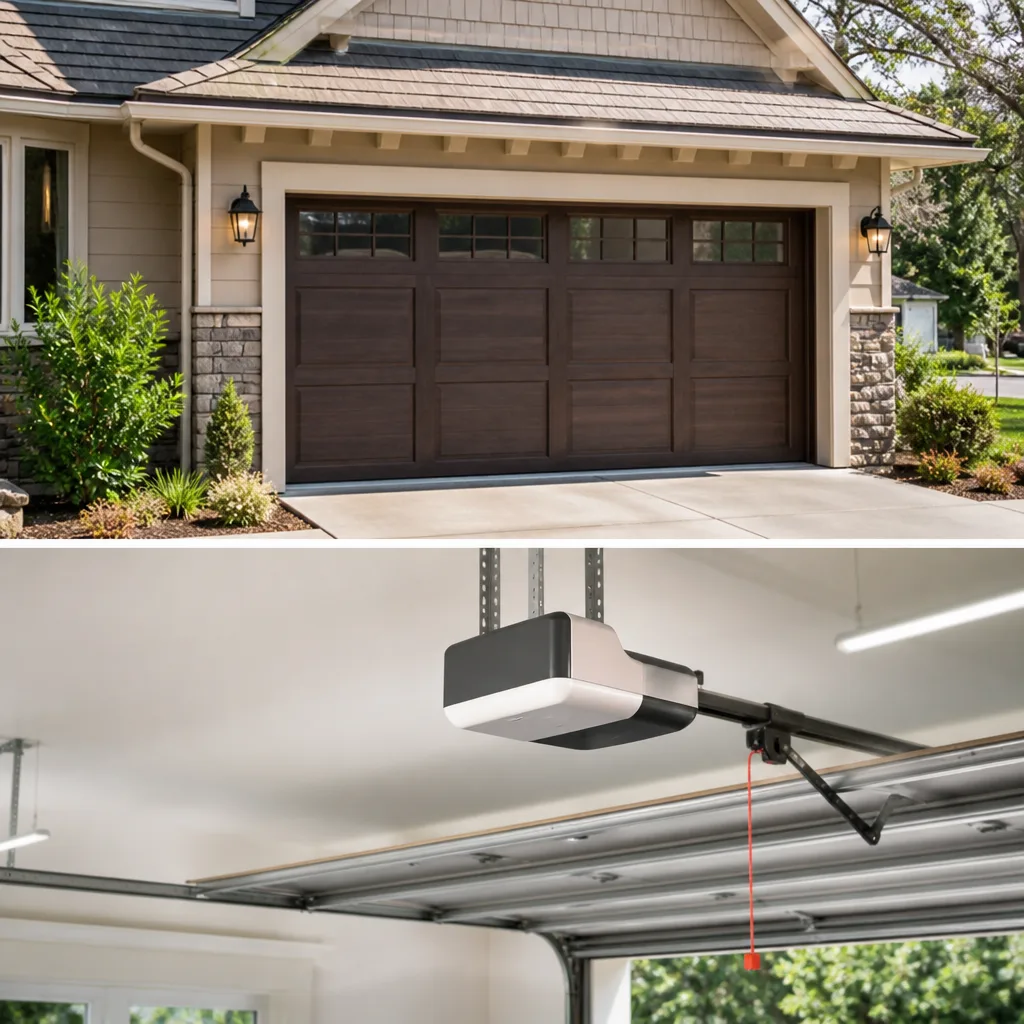 LiftMaster openers
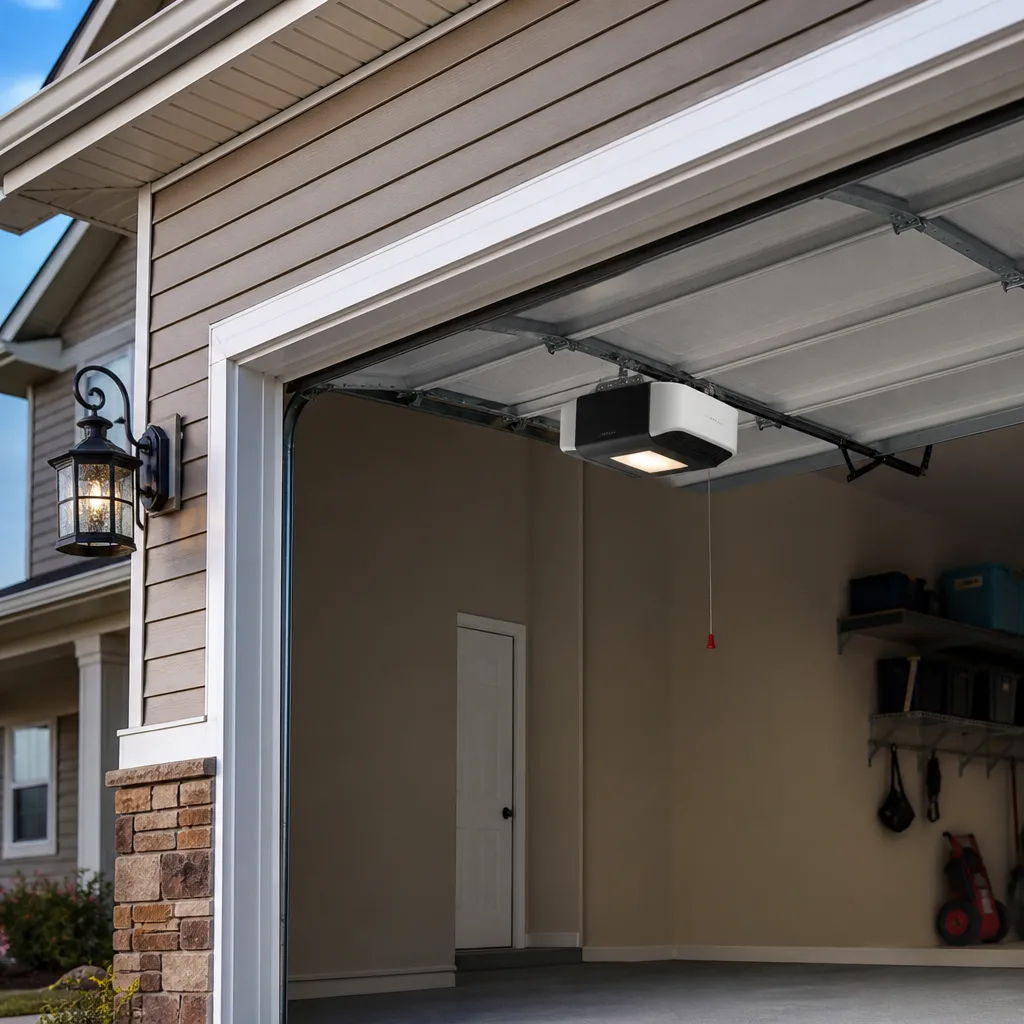 Chamberlain openers
Full 25-point door and opener safety check with every visit - springs, cables, rollers, tracks, and your LiftMaster or Chamberlain opener included
You get a price before we start. It does not change when the truck arrives.
Get your free estimateGarage Door Emergency Preparedness Guide for West Hollywood Homes
During the 2025 LA-area fire evacuations, a significant number of West Hollywood homeowners reported something most people never consider: they couldn’t open their garage door manually. Not because the garage door opener failed, but because they’d never pulled the manual release cord in their lives. Some discovered, at the worst possible moment, that a broken torsion spring had made the door effectively immovable without two strong adults and a plan. This guide exists so you never find yourself in that position. We’re going to walk through the three emergencies West Hollywood actually faces, how to prepare for each, and what to document now so you’re not improvising later.
Quick Answer
Garage door emergency preparedness in West Hollywood means three things: knowing how to disengage and manually operate your door before a crisis, documenting your door’s spring type and weight so you know if manual operation is even possible, and having a clear protocol for earthquakes, power outages, and fire evacuations. A working manual release cord is useless if a torsion spring is broken, because a sectional garage door can weigh between 150 and 400 pounds. Homeowners who practice the release once a year and keep a Garage Door Repair Maintenance Checklist for West Hollywood Homeowners on the wall near the opener are the ones who get their car out when it matters.
Styles & brands we work with
Table of Contents
- The Three Garage Door Emergencies West Hollywood Actually Faces
- How to Use the Manual Release Cord (And Why a Broken Spring Changes Everything)
- Earthquake Response: What to Inspect Before You Drive Through That Door
- Power Outage Protocol: Battery Backup vs. Manual Release
- Fire Evacuation: When Leaving the Door Open Is the Safer Call
- Pre-Documenting Your Garage Door System for Emergencies
- Common Mistakes to Avoid
- When to Call a Professional
- Frequently Asked Questions
- The Bottom Line
The Three Garage Door Emergencies West Hollywood Actually Faces
West Hollywood sits in a specific risk profile. The city is within the shaking zone of the San Andreas Fault system, sits under high-fire-risk evacuation corridors during Santa Ana wind events, and has a housing stock heavy with attached garages that double as primary entry points. When we look at the service calls that come in after each type of event, three patterns dominate.
First: earthquake displacement. A magnitude 4.0 or larger event in the LA basin is enough to shift a garage door off its tracks, shear a roller, or knock the photo-eye sensors out of alignment. The door may look fine from inside the car. It isn’t until you hit the opener button and the door jams halfway that you realize the track is bent. In West Hollywood, where many homes are older construction with original doors from the 1960s through the 1980s, the tracks are often thinner gauge than modern code requires, which makes them more vulnerable to lateral movement.
Second: power outages during red flag conditions. Southern California Edison’s Public Safety Power Shutoff program means West Hollywood homes can lose power on purpose when wind speeds reach dangerous thresholds. If your opener has no battery backup and you don’t know how to pull the manual release, your car stays trapped in the garage. And if you have a broken spring you’ve been ignoring, the power outage becomes a door you cannot lift at all.
Third: mechanical failure during an evacuation. This is the one people never plan for. The door works fine for months, then the spring snaps on a Tuesday night in October when the winds pick up and you get the evacuation warning. A broken spring doesn’t announce itself loudly; sometimes it sounds like a gunshot, sometimes like a dull thud from inside the wall. If you’ve never checked your springs, you won’t know what that sound means until you’re standing in the garage at 3 a.m. with the car pointed at a door that won’t move.
Each of these scenarios requires a different response. That’s what this guide is: a pre-event planning document, not a Garage Door Repair Troubleshooting: Common Problems and How to Fix Them.
How to Use the Manual Release Cord (And Why a Broken Spring Changes Everything)
The manual release cord is the red handle hanging from a rope on the opener rail, typically about six feet off the ground. Pulling it disengages the opener carriage from the door, allowing you to operate the door by hand. Here’s the step-by-step:
- Close the door fully first. Never pull the release while the door is open. If a spring is broken, the door will slam down under its own weight and can crush anything beneath it.
- Firmly grip the red handle and pull straight down toward the floor. You should hear a click as the carriage disengages from the chain or belt.
- Lift the door by its handles or the bottom edge. Use both hands, lift from the legs, and keep your back straight. The door should move smoothly if the springs are intact.
- To re-engage, pull the release cord again while the opener is running, or lift the carriage until it clicks back into the traveler.
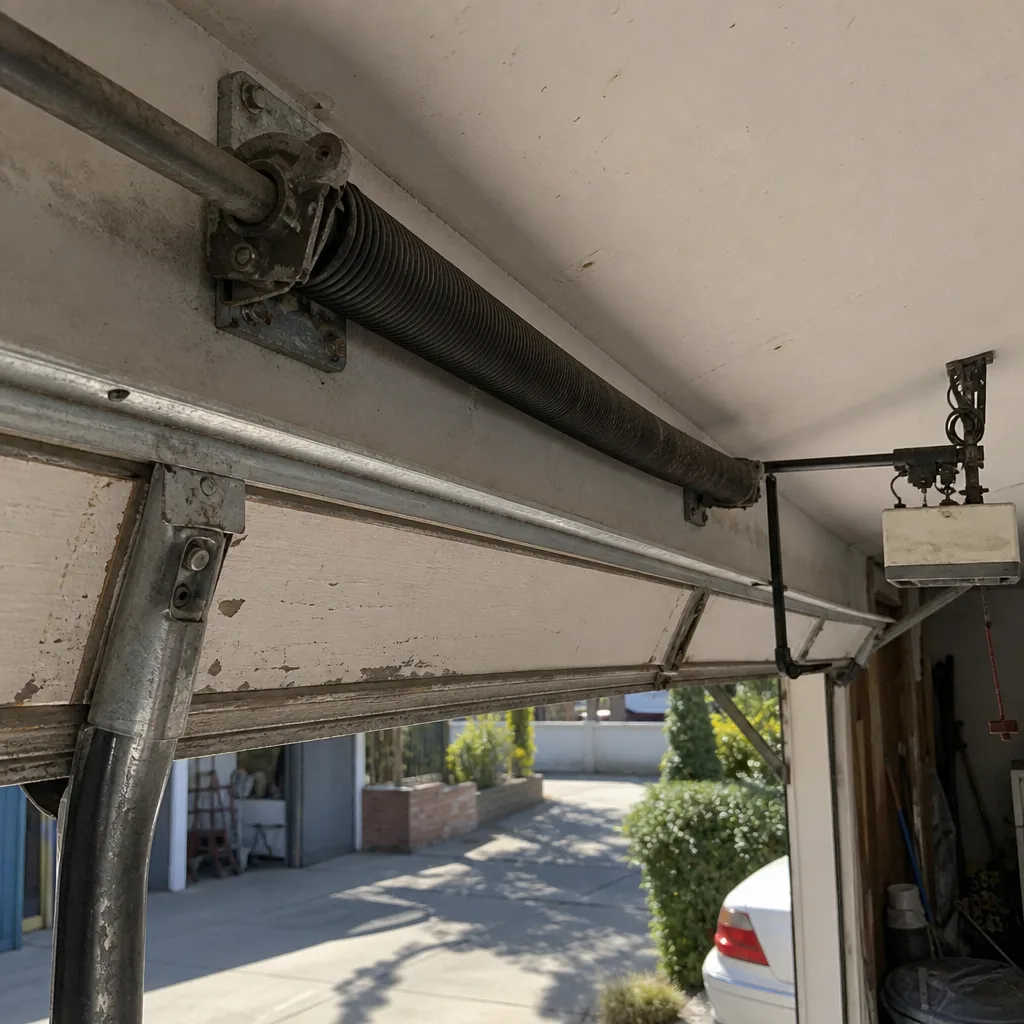
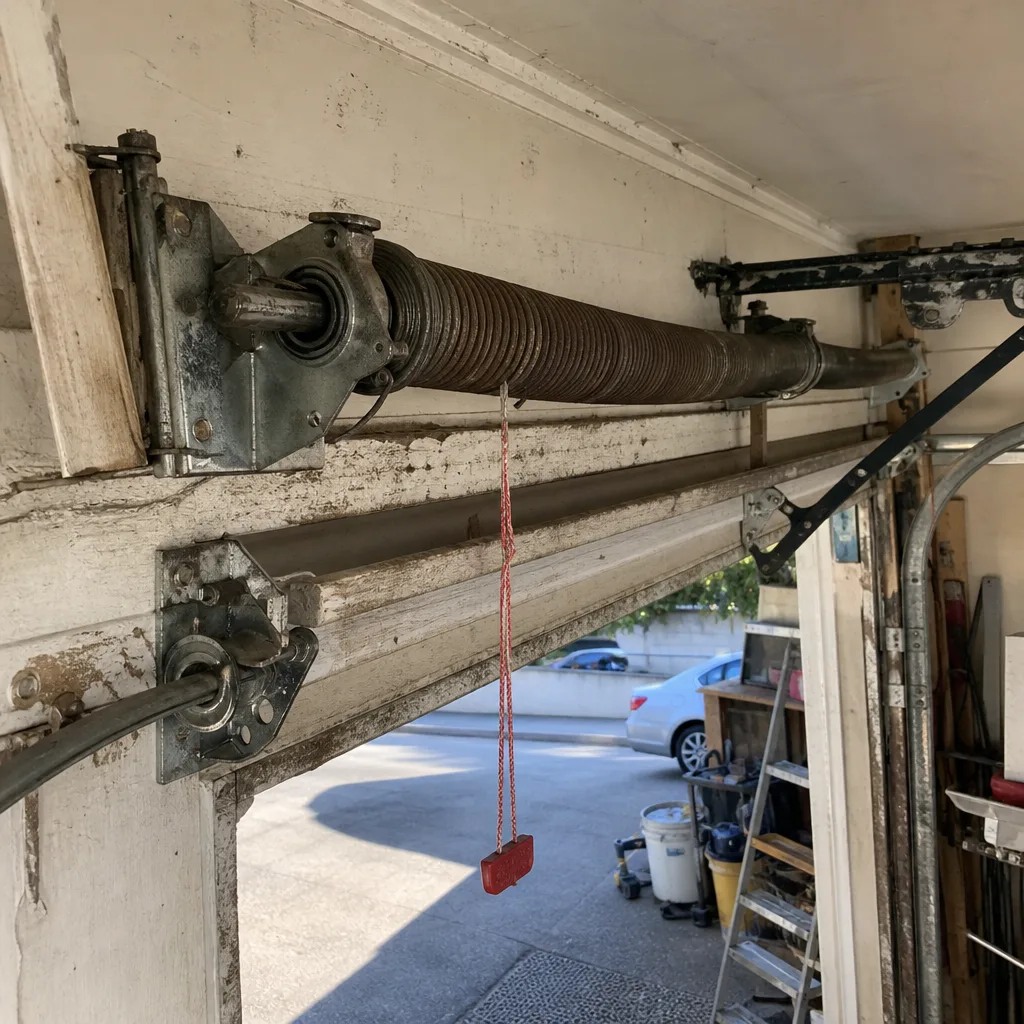
Now, the critical part most guides skip: a broken torsion spring means that red cord is not a solution. Torsion springs – the fat coils mounted on a horizontal bar above the closed door – carry nearly all of the door’s weight. A typical 16-foot by 7-foot steel garage door weighs between 150 and 180 pounds. A wood door can weigh 300 to 400. When the spring snaps, that weight no longer has a mechanical counterbalance. Pulling the release cord on a door with a broken spring means holding the entire weight of the door with your own body.
In our experience in West Hollywood, we regularly see doors where a broken spring went unnoticed for weeks because the opener motor was still strong enough to lift the door despite the spring being out of service. The motor is not designed for that load. It burns out faster and eventually fails entirely, often at the exact moment the homeowner needs it most. If you suspect a broken spring, check the bar above the door. A torsion spring has a visible gap where it should be one continuous coil. An extension spring on an older door will simply be in two pieces or hanging limp. If you see either, do not pull the manual release. Call a professional before the emergency, not during it.
Here’s an example of a West Hollywood practice that helps: many residents in the Norma Triangle and Mid-City West neighborhoods keep a step stool next to the opener and know which family member can safely lift the door by hand. Because they tested it in October, not in January when the engine of a fire evacuation starts.
Earthquake Response: What to Inspect Before You Drive Through That Door
After any seismic event measuring 4.0 or greater in the LA basin, a garage door should be treated as damaged until proven otherwise. The forces involved in even moderate shaking are enough to shift a door’s alignment. A door that’s a quarter-inch out of square will catch, bind, and potentially snap a cable under tension. Cables are under hundreds of pounds of force, and when one breaks it becomes a whip that can cause serious injury. Do not stand in the path of the cables while testing a door after an earthquake.
Here’s the inspection sequence we recommend in West Hollywood after any significant shaking:
- Visual check from inside the garage, standing to the side of the door. Look at the track on both sides. Note any gaps between the rollers and the track, any track that appears pulled away from the wall, and any rollers that are no longer seated inside the track.
- Look for fresh debris on the floor. A sheared roller, broken plastic hinge, or torn weatherstripping on the ground means the door took a hit even if it doesn’t look damaged at first glance.
- Check the torsion spring bar. If the springs remain intact, that’s a good sign. If one or both are broken, do not attempt to open the door manually or with the opener.
- Run the opener and watch the door. If it hesitates, shudders, or makes a grinding sound, stop immediately. Back it down and call someone.
West Hollywood’s older housing stock deserves a specific note here. Many of the city’s original 1920s through 1950s homes had garage doors added later, sometimes as aftermarket installations bolted onto frames not designed for them. A door installed on a shifting frame is more likely to bind after an earthquake than one installed on modern construction in the Avenues. If your home is pre-1960 and the garage still has its original framing, add a track realignment check to your list after any quake of 4.0 or higher.
Power Outage Protocol: Battery Backup vs. Manual Release
West Hollywood has a specific power-outage pattern: short outages during heat waves when the grid is overloaded, and longer, pre-planned outages during Santa Ana wind events when Edison implements Public Safety Power Shutoffs. Both have the same effect on your garage door: without power, the opener motor is dead. The question is whether you have a fallback.
Some modern openers, including models from Chamberlain and Genie, have battery backup built into the motor unit. These openers work normally during a power outage until the internal battery drains, typically 20 to 50 open-close cycles. If your opener has a battery backup and you’re not sure, look for a small battery icon on the wall control panel or check for a rectangular bulge on the side of the motor housing. Both Chamberlain and Genie sell battery backup as a built-in feature on their higher-end residential openers and as an add-on kit for some mid-range models.
If your opener does not have battery backup, your protocol for a power outage is:
- Decide whether you need to move the door at all. If there’s no evacuation order and no urgent need to leave, leave the door closed and wait for power to return. Every manual open-close cycle with a door that hasn’t been maintained adds wear.
- If you do need to leave, pull the manual release while the door is closed. Follow the sequence described earlier in this guide.
- Lift the door by hand. If it’s heavy or requires real effort, your springs are not doing their job. This is your sign to get the door serviced.
- If you must leave the door open while you’re gone, lock it in the open position. Most manual doors have a slide bolt on the track. Use it. An open garage door in West Hollywood during a prolonged outage is an open invitation to anyone passing through the neighborhood.
Battery backup is worth considering for any West Hollywood home where the garage is the primary vehicle access point. The upgrade is measured in hundreds of dollars, not thousands. Compared to the cost of missing a medical appointment or a work shift because the car was trapped, it pays for itself quickly. We service and install battery backup openers alongside standard opener repairs, and we always show homeowners how to test the battery before they need it.
Fire Evacuation: When Leaving the Door Open Is the Safer Call
This is the most counterintuitive advice in this guide, and it matters specifically for West Hollywood. During a red flag evacuation, when fire is moving through the hills and into the city, your instinct is to close the garage door behind you. In most cases, that’s wrong.
Here’s the reasoning. If you close the garage door during an evacuation and power is lost while you’re gone – or if the door jams due to heat warping the track – the door may not open when you return. You’ll come home to a house you can’t access and a car that can’t get inside. More importantly, firefighters may need to enter the garage to check for spot fires or access gas shutoff valves. A closed garage door with an electronic opener is a barrier. A garage door left open, or with the manual release pulled and the door locked in the open position, is a clear entry point.
Leave the garage door open when:
- An evacuation order or warning is in effect for your specific West Hollywood zone.
- The power is already out or likely to be shut off during the event.
- Your home is in one of the hillside-adjacent zones where fire has historically moved through – streets in the Doheny Corridor and the neighborhoods that rise toward Laurel Canyon face this risk differently than the flat, mid-city blocks.
Leave the garage door closed when:
- You’re not under an evacuation order and the fire is distant. A closed door protects against ember intrusion.
- You have a battery backup opener that you’ve tested and trust. Then you can close and reopen the door on your return.
The specific door condition that determines this decision is spring health. A door with strong, balanced springs can be operated manually by one adult. A door with a broken or weakened spring cannot. If your springs are over ten years old and you don’t know their condition, the safer play in an evacuation is to leave the door open rather than gamble on being able to lift it manually later.
Pre-Documenting Your Garage Door System for Emergencies
The single best preparedness move a West Hollywood homeowner can make costs nothing and takes about fifteen minutes. Document your garage door system now, while it’s working, so that in an emergency you or a remote helper can understand exactly what you’re dealing with.
Write this information on an index card or a label and tape it to the wall next to the opener, or store it as a note on your phone:
- Door brand and approximate year: If you have a Clopay or Amarr door, the brand is usually embossed on the bottom edge of the bottom panel or on the sticker near the track. These two brands dominate the West Hollywood residential market, and knowing which one you have helps any technician or remote helper identify parts.
- Spring type: Torsion (coiled around a bar above the door) or extension (stretched along the side tracks). Older West Hollywood homes often have extension springs; most doors installed after about 2000 use torsion.
- Spring condition and last service date: If they’ve never been replaced and the house is over 15 years old, write “unknown, likely original.”
- Door weight: This is harder for a homeowner to determine, but an approximate range is enough: “heavy steel, approx. 150+ lb” or “light aluminum.”
- Opener brand and model: LiftMaster, Chamberlain, Genie, Craftsman, or Raynor are the most common in West Hollywood. The model number is on a sticker on the motor unit. If the opener has battery backup, note that here.
- The name of your garage door service company. Write down Golden Bear Garage Door Repair’s number, (833) 467-4118, on that same card. If an emergency happens and you can’t remember who has worked on your door before, having the number on the wall next to the opener saves you a search under stress.
This documentation serves a second purpose that most people don’t consider: during a crisis, you may not be at home. If a neighbor, housesitter, or emergency responder is the one who needs to open the door, a written sheet of information is far more useful than a phone call to someone who’s stuck in evacuation traffic. In our work across Los Angeles County, the most common reason homeowners call for a second service visit after an emergency is that the person at the house during the first emergency didn’t have the information needed to make the right call.
Common Mistakes to Avoid
- Ignoring a noisy door. A garage door that squeals, grinds, or shudders is telling you something. In West Hollywood, where garages are often directly attached to living space, a failing spring or worn roller can go from noisy to broken in a matter of weeks. Fix the noise when you hear it, not when the door stops opening.
- Testing the manual release for the first time during an emergency. The manual release cord on a door with a broken spring is dangerous. Practice it once a year, with the door closed, and you’ll know exactly how the door feels when the springs are healthy.
- Assuming a battery backup opener means you’re covered. Battery backup preserves the opener motor, not the spring. If your spring is broken, the battery-powered opener will strain against the same dead weight and fail anyway.
- Leaving a broken door closed and hoping for the best. A door with a broken spring that sits closed for months is a door that won’t open when the evacuation order comes. The repair is not optional; it’s a precondition for the rest of your emergency plan.
- Closing the garage door during a fire evacuation without considering the return. If the power fails while you’re gone and the door is closed, you may come back to a house you can’t enter without breaking something.
- Not knowing where your manual release cord is. It hangs from the opener rail. Some homeowners in West Hollywood have cut the red handle off because it was hitting the roof of the car or catching on bike racks. If that’s your situation, the cord is still there but harder to grasp. Fix this before you need it.
- Assuming the garage door is the building department’s problem. It isn’t. The garage door is one of the few major components of a home that has no routine inspection requirement in most LA County jurisdictions. You’re the one responsible for knowing its condition.
When to Call a Professional
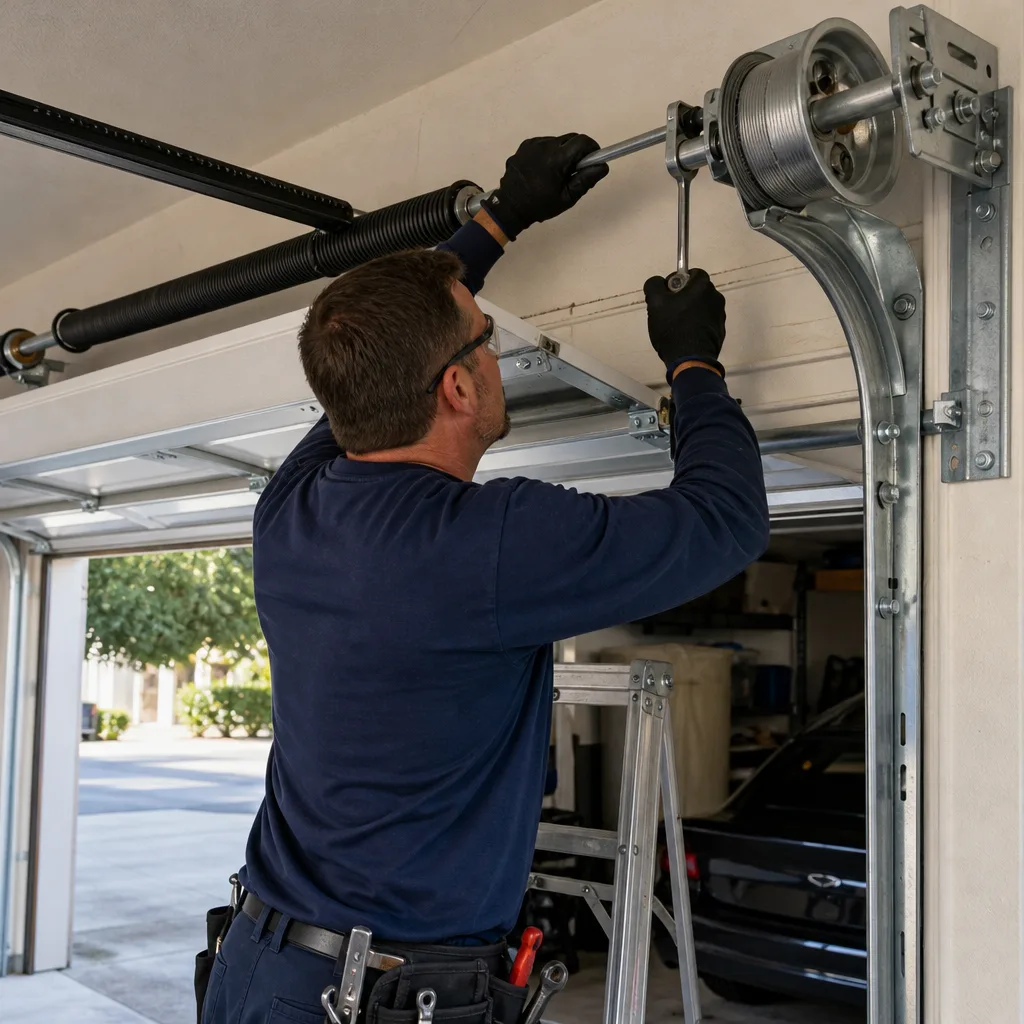
Some garage door work is genuinely simple. A loose handle, a bent weatherstrip, a photo-eye sensor that needs re-aiming – these are weekend projects. Other work is not. Torsion springs under tension, cable replacements, track realignments, and any job involving the opener’s electrical wiring all carry real risk of serious injury. A torsion spring that releases under tension can break bones. A cable under load can lacerate. The cost of a professional repair is almost always less than the cost of an emergency room visit, and the result lasts longer.
Call a professional if your door makes a sudden loud noise, if the springs show visible gaps or rust, if the door is visibly out of square, or if you’ve never had the door serviced and the house is more than 15 years old. If you live in West Hollywood and you’re not sure whether your door needs attention, Golden Bear Garage Door Repair home offers a free evaluation of your system. Call (833) 467-4118 and we’ll take a look before the next emergency, not after it.
Frequently Asked Questions
Spring replacement in the West Hollywood area typically runs between $180 and $340 for a standard pair of torsion springs, depending on the door’s size and spring cycle rating. The price is quoted before any work starts, and Golden Bear Garage Door Repair honors that quote. Call (833) 467-4118 for an exact number on your specific door.
Yes, but only if the springs are intact. After any significant seismic event or fire event, the door should be inspected for track alignment and spring condition before attempting manual operation. If the springs are broken or the track is bent, do not try to lift the door yourself. This is the most common reason we recommend professional evaluation after a quake in the West Hollywood area.
Look at the horizontal bar above the closed door. If the torsion spring has a visible gap in its coil or appears to be in two pieces, the spring is broken. If you have extension springs along the side tracks and one is hanging loose or separated, that spring is broken. The door will feel very heavy and the opener motor will struggle or refuse to lift it.
Most standard garage door replacements in the Los Angeles area, including West Hollywood, do not require a building permit when the opening size is unchanged and no structural work is involved. For details on when permits are needed, see Garage Door Permits, Codes & Inspections in CA: What You Need to Know. If the door opening is being enlarged or the surrounding framing is being modified, that’s a different project and may trigger permit requirements. We tell every homeowner to check with the city’s building division if there’s any doubt.
Emergency spring replacements can often be scheduled the same day, especially when the door is blocking your vehicle. Golden Bear Garage Door Repair handles same-day service calls across West Hollywood and the surrounding LA County area. Call (833) 467-4118 as early in the day as possible and we’ll get someone to you quickly.
No. The price you’re quoted over the phone is the price you’ll pay, and it’s confirmed again face to face before the work begins. We don’t have hidden dispatch fees or surprise add-ons. If the technician finds something beyond the original quote, you’ll see a written number and sign off on it before any additional work is done.
The Bottom Line
The garage door is the largest moving object in your home, and in West Hollywood it’s also the barrier between you and the road when the worst happens. Preparing it for an emergency takes less time than a single trip to the grocery store. Know your release cord. Check your springs. Know whether your opener has battery backup, especially if you have a Chamberlain or Genie unit. Write the details down. If you do these things, you’ll be in a small minority of homeowners who can actually get their car out during an earthquake aftershock, a power outage, or a fire evacuation. The time to do it is now, while the sun is up and the winds are calm. For more guides & resources, explore our blog, or call (833) 467-4118 for a free garage door evaluation in West Hollywood, and get this done before the next one. You won’t regret it.
Written by the team at Golden Bear Garage Door Repair, serving West Hollywood since 2016.
See the difference
 Before
 After
 Before
 After
 Before
 After